

Our Verdict
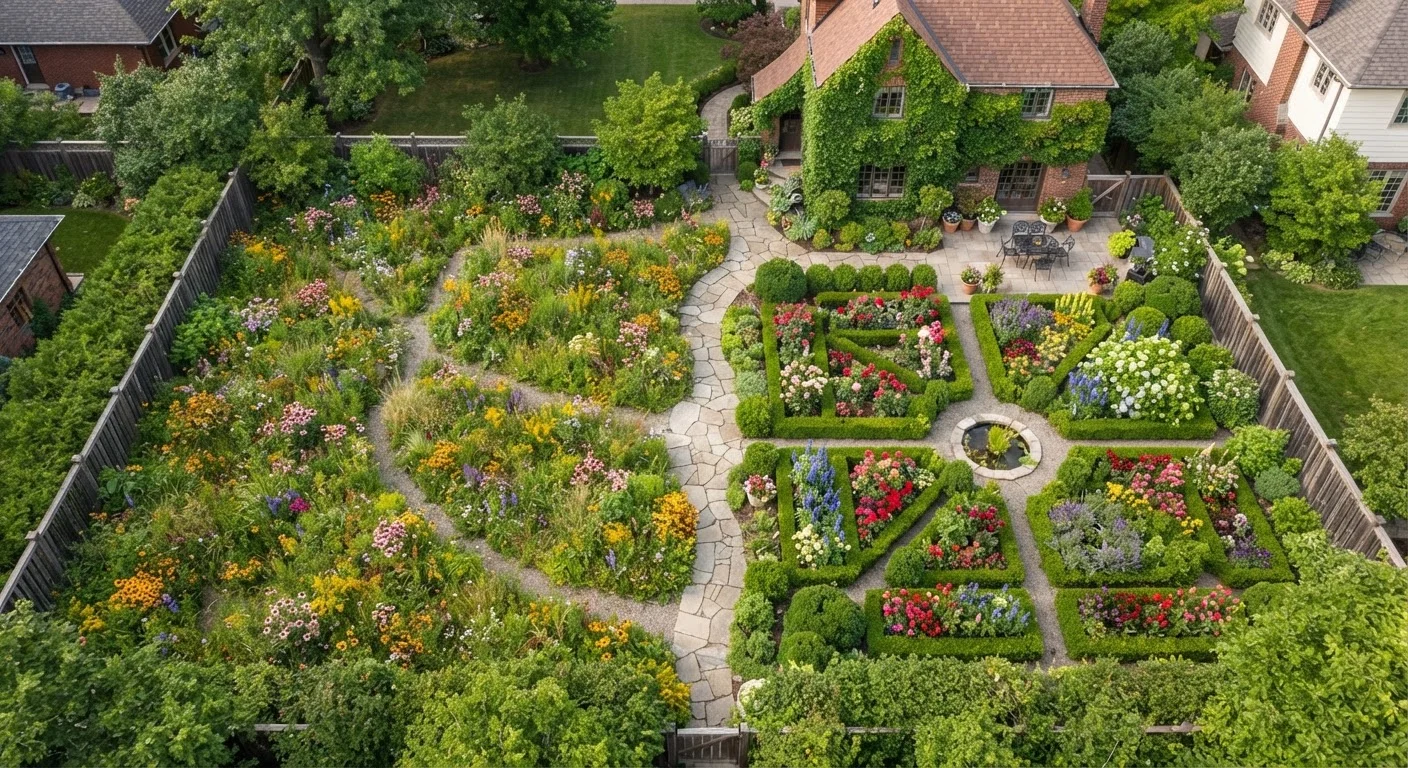
Neither native plants nor ornamental exotics are a universal winner - the right choice depends heavily on your regional climate, garden goals, and how much ongoing maintenance you want to commit to. Native plantings deliver clear ecological dividends and reduced long-term inputs, while carefully selected exotics expand your design palette and seasonal interest. Most residential gardens benefit from treating these categories as complementary rather than competing.
| Best for | Recommended |
|---|---|
| Those prioritizing low-maintenance gardening and local wildlife support | Native Plants |
| Gardeners seeking bold seasonal color or specific aesthetic effects | Ornamental Exotics |
| Homeowners wanting ecological value without sacrificing visual variety | A thoughtful mix of natives and non-invasive exotics |
What Sets Native and Exotic Plants Apart
A native plant is one that evolved naturally in a specific region without human introduction - its genetics, growth habits, and ecological relationships developed alongside local soils, rainfall patterns, insects, and wildlife over thousands of years. An ornamental exotic, by contrast, originates outside that native range, brought in for aesthetic qualities like flower color, leaf texture, or growth form.
This distinction matters because plants don't exist in isolation. They participate in food webs, support pollinators, build soil structure, and interact with water cycles. Understanding those relationships - rather than just evaluating visual appeal - is the foundation of an ecologically aware garden. See our guide to soil health for context on how plant choices ripple through the ground beneath your feet.
Ecological Impact: Where Natives Have a Clear Edge
Native plants are deeply embedded in regional ecosystems. A native oak, for example, can support hundreds of caterpillar species - a critical food source for nesting birds - while many exotic ornamentals support very few. Research from entomologist Doug Tallamy's work at the University of Delaware has highlighted this relationship between plant origin and insect biodiversity, though exact numbers vary by species and region.
Natives are also generally better adapted to local hydrology, meaning they're more likely to stabilize soil during heavy rain events and less likely to require supplemental irrigation once established. This makes them a natural fit for water-wise gardening strategies aimed at reducing outdoor water use.
| Native Plants | Ornamental Exotics | |
|---|---|---|
| Water needs (established) | Generally low after establishment | Varies widely by species |
| Wildlife and pollinator value | Typically high - coevolved with local species | Often lower; some cultivars offer minimal value |
| Invasive risk | Negligible within native range | Variable - always verify regionally |
| Establishment period | 1-3 seasons; needs initial attention | Usually quick but species-dependent |
| Aesthetic variety | Regionally rich but range may feel limited | Extremely broad - global palette available |
| Long-term input requirements | Often low once established | Can be moderate to high for some cultivars |
The ecological risk with exotics is variability: many non-native ornamentals are well-behaved and do not spread. But others - English ivy, Japanese barberry, and butterfly bush in certain regions - have escaped cultivation and displaced native vegetation. Before planting any exotic, consult your state's invasive species list through your local cooperative extension service.
Check Before You Plant Any Exotic
Invasive plants can spread beyond garden boundaries into natural areas, displacing native species and disrupting local ecosystems. A plant sold at a nursery is not automatically safe - invasive status varies significantly by state and region. Before purchasing any non-native ornamental, check your state's invasive species list or consult your local cooperative extension service for current guidance.
Maintenance and Inputs: Realistic Expectations
Native plants are frequently described as low-maintenance, and in the right placement, that's often accurate - but with an important caveat. The first one to three growing seasons typically require consistent watering, weeding, and monitoring while plants establish root systems. After that establishment phase, many natives can thrive with minimal supplemental irrigation or fertilization.
Ornamental exotics vary widely. Some, like certain daylily cultivars, are remarkably undemanding once planted. Others - hybrid tea roses, for instance - may require regular pruning, pest management, and feeding schedules. The maintenance gap between natives and exotics isn't automatic; it depends on how well matched any plant is to your specific soil, light, and moisture conditions. Our seasonal garden preparation guide outlines how to time planting and care tasks throughout the year regardless of which approach you choose.
70%+
Of US land managed by private landowners
The National Wildlife Federation estimates that private residential land represents a significant share of potential habitat - highlighting the collective impact of individual garden choices.
~40M acres
US lawn area estimated nationally
Estimates from NASA-funded research suggest turfgrass covers roughly 40 million acres in the US, most of which provides limited ecological function compared to mixed native plantings.
Aesthetics and Design: Building a Cohesive Garden
One persistent misconception is that choosing natives means giving up visual impact. In reality, the native plant palette in most US regions is remarkably diverse - coneflowers, black-eyed Susans, native ornamental grasses, wild columbine, and dozens of flowering shrubs offer genuine seasonal color and structural interest.
Where ornamental exotics earn their place is in filling specific design gaps: a particular bloom time, a foliage color not found locally, or a formal symmetry that requires consistent clipping. Many garden designers use natives as a structural backbone - anchoring beds with regionally adapted shrubs and perennials - and layer in non-invasive exotics for seasonal accents.
When integrating hardscape elements like paths and edging, both plant types can work beautifully. See hardscaping in the home garden for guidance on how plant choices interact with paved and structural elements. The key is treating your plant selection list as one design tool among many, not a binary ideological commitment.
Start Small with a Native Test Bed
If you're new to native plants, try converting a single border or corner bed before committing to a full redesign. This lets you observe seasonal performance, maintenance needs, and wildlife activity with lower stakes. Local native plant societies and cooperative extension offices are reliable sources of regionally specific planting recommendations.
Making the Decision for Your Garden
Start by identifying your primary goals. If supporting pollinators and reducing long-term inputs are priorities, weight your planting list toward region-appropriate natives sourced from reputable nurseries that can confirm local provenance. If a specific aesthetic outcome is driving your project, evaluate each exotic candidate against your state's invasive species resources before purchasing.
In practice, most residential gardens benefit from a hybrid approach: a core of native plants that anchor the ecological function of the space, supplemented by carefully vetted, non-invasive exotics that fill seasonal or design gaps. Whether you're working with raised beds or in-ground planting, the same evaluation framework applies - match plant to place, and let ecology and aesthetics inform each other rather than compete.
The content on this site is provided for informational purposes only and should not be considered a substitute for professional advice. While we strive to provide accurate and up-to-date information, we make no guarantees regarding its completeness or accuracy. Always consult a qualified professional for advice specific to your circumstances before making any decisions.