

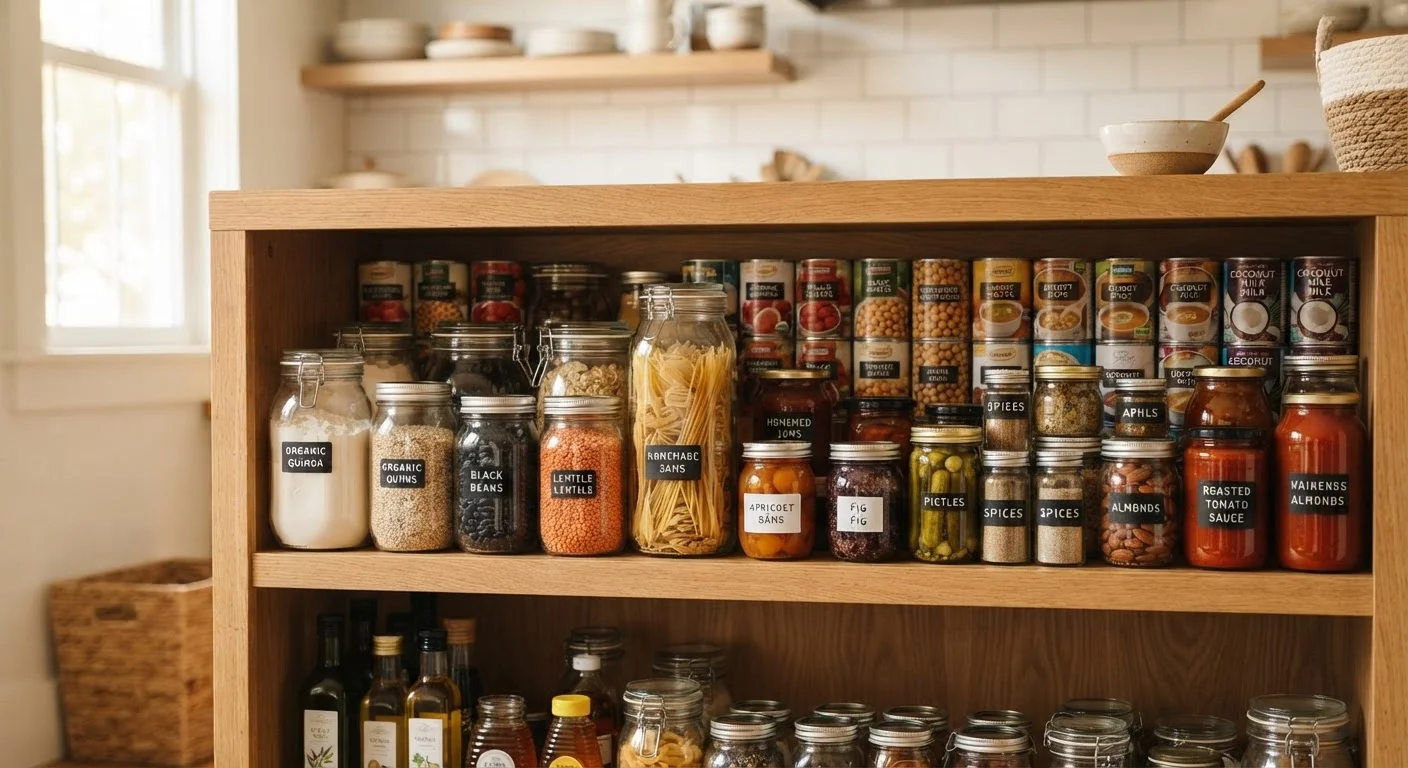
Why Canned and Jarred Foods Deserve a Second Look
Canned and jarred foods have a reputation problem. They're treated as a fallback - what you reach for when fresh ingredients aren't available - rather than as genuinely useful pantry staples in their own right. That framing undersells them. When selected and used thoughtfully, canned tomatoes, jarred beans, preserved fish, and similar shelf-stable goods can anchor meals that are just as satisfying as anything built around fresh produce.
The challenge is that most home cooks use these products on autopilot: open, dump in, cook. A few deliberate habits - reading labels more carefully, storing properly, and applying a little more culinary intention - make a significant difference in what you get out of them. For a broader view of how canned goods fit into a well-functioning pantry, see our complete guide to stocking and organising a functional pantry.
Reading Labels and Date Codes Without the Guesswork
Most canned goods carry a "best by" or "best if used by" date - a quality indicator, not a strict safety threshold. The USDA notes that commercially canned foods stored in good condition are generally safe indefinitely, though flavor and texture degrade over time. A can of diced tomatoes two years past its printed date isn't dangerous; it may simply taste flat or have a softer texture.
What matters more than the date is the condition of the can. Avoid purchasing or using cans that are bulging, deeply dented along seams, or show signs of rust or leakage. A slight surface dent on the body of a can is usually fine; damage to the seams at the top or bottom is not.
Understanding "Best By" vs. Safety Dates
"Best by" dates on canned and jarred goods are set by manufacturers to indicate peak quality, not the point at which a product becomes unsafe. The USDA distinguishes between quality dates (set voluntarily by producers) and use-by dates on perishables. For shelf-stable canned goods stored in good condition, quality is a more relevant concern than safety in most cases. When in doubt, trust your senses: off smells, unusual color, or unexpected texture are more reliable signals than a printed date.
When evaluating jarred goods, pay attention to the seal: the lid on a properly sealed jar should be slightly concave and shouldn't flex when pressed. A popped or raised center button means the vacuum seal has been broken - discard the product if it was purchased that way.
Ingredient lists on canned goods often reveal a surprising amount of added sodium or sweeteners. Comparing similar products side by side - something as simple as canned corn or chickpeas - can help you identify which ones contain only the ingredient you actually want.
Best Practices for Getting More Flavor and Nutrition
The way you handle canned and jarred ingredients before and during cooking has a direct effect on the final dish. These practices help you extract better results consistently.
Rinse canned beans and vegetables before using them in recipes.
Rinsing removes a significant portion of the sodium in the packing liquid - studies suggest it can reduce sodium content by roughly 40%. It also washes away the starchy liquid that can make dishes taste dull or muddy.
Use the packing liquid intentionally, not just as something to discard.
The liquid in canned tomatoes, for instance, carries concentrated flavor and is worth incorporating into sauces and braises. Aquafaba - the liquid from canned chickpeas - has well-documented uses as an egg-white substitute in baking.
Apply heat deliberately to canned ingredients rather than just warming them through.
Many canned goods are already fully cooked, which means adding them to a hot pan gives you an opportunity to develop new flavor through caramelization or browning - something that simply reheating in liquid won't achieve.
Choose canned products with short, recognizable ingredient lists.
Products with minimal additives give you more control over seasoning and flavor in the finished dish. Added sugars, excess sodium, and preservatives can work against you when you're trying to build a balanced recipe.
Store partially used jars and cans at consistent refrigerator temperatures.
Fluctuating temperatures - moving a jar in and out of the fridge repeatedly - accelerates spoilage and can compromise flavor even when the product is technically safe. Consistency matters more than most people realize.
Many canned vegetables benefit from the same finishing attention as fresh ones. For more on avoiding texture and flavor pitfalls with vegetables, see how overcooking robs vegetables of color and texture.
Storage After Opening: A Step Most Cooks Skip
Once a can is opened, the metal interior can start to affect taste - particularly with acidic foods like tomatoes and fruit. Transfer any unused contents to a glass or plastic container before refrigerating. Most opened canned goods keep well for three to four days under refrigeration.
Jarred goods with vinegar or oil-based brines - pickles, roasted peppers, artichoke hearts - generally keep longer once opened, often one to two weeks, provided they're kept refrigerated and the jar is sealed between uses. Always use a clean utensil when scooping from a jar to prevent introducing bacteria that accelerate spoilage.
These habits pair naturally with a more intentional pantry overall. The pantry staples that earn their shelf space and pantry staples worth keeping on hand for everyday cooking are worth reading alongside this one.
The content on this site is provided for informational purposes only and should not be considered a substitute for professional advice. While we strive to provide accurate and up-to-date information, we make no guarantees regarding its completeness or accuracy. Always consult a qualified professional for advice specific to your circumstances before making any decisions.