

Option A
Trimming
The mechanical fix that removes damage at the source.
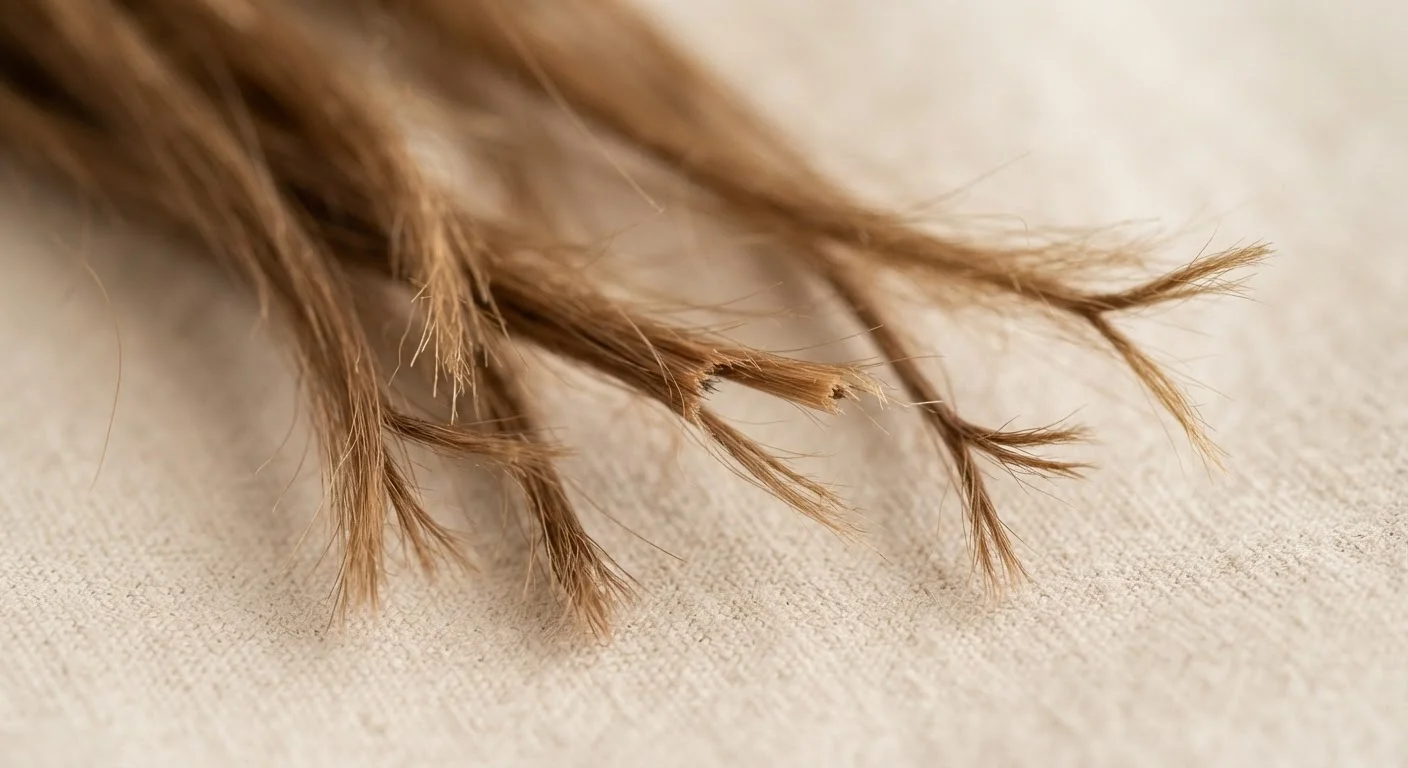
Best for: Hair with visible split ends, fraying tips, or length that has stopped progressing despite good care.
Option B
Treatments
The restorative approach that addresses damage from within the strand.
Best for: Hair experiencing dryness, brittleness, mid-shaft breakage, or loss of elasticity and shine.
Why the Distinction Matters More Than You Think
When hair looks rough and unmanageable, the instinct is often to cut it - or, alternatively, to slather on a conditioning mask and hope for the best. Both responses are reasonable, but applying the wrong one wastes time, product, and potentially length. Understanding what's actually happening inside your hair strand is the first step toward choosing a strategy that works.
Hair damage broadly falls into two categories: structural damage at the tip (split ends, fraying) and damage along the shaft (dryness, breakage, loss of elasticity). These look similar from a distance but have completely different origins and solutions. Trimming addresses the first; treatments address the second. Mixing them up - or ignoring one entirely - is one of the most common reasons hair care routines stall.
It's also worth noting that the two approaches aren't mutually exclusive. Many people need both, but sequencing matters. If you trim heavily before treating underlying brittleness, the damage will return quickly because the root cause hasn't been addressed. If you treat without ever trimming, split ends continue traveling up the shaft, undoing the repair work.
Reading the Signs: What Your Hair Is Actually Telling You
Before reaching for scissors or a conditioning mask, take stock of where the damage is occurring and what it looks like.
Signs that point toward trimming
- Visible splits at the tip - the strand forks into two or more sections at the end
- White dots along the length - these are points where the cortex has fractured and the cuticle has pulled away
- Rough, tangled ends that don't respond to conditioner or detangling products
- Length that won't progress despite good retention habits - split ends break off as fast as hair grows
Signs that point toward treatment
- Mid-shaft snapping during detangling or styling - breakage happening away from the tips
- Low elasticity - wet hair that snaps rather than stretches slightly when pulled suggests protein deficiency
- Chronic dryness - hair that absorbs product but remains rough may have a compromised cuticle layer
- Recent chemical processing - colour, bleach, relaxers, and perms all disrupt internal bonds
A simple elasticity test can help clarify: wet a single strand and gently stretch it. Healthy hair stretches 30-50% before returning to its original length. If it snaps immediately, a protein treatment may help rebuild structure. If it stretches but doesn't spring back, moisture-focused care is likely the priority. For more on understanding the full picture of your hair's health from root to tip, see scalp care vs. hair care.
| Criterion | Trimming | Treatments |
|---|---|---|
| Primary purpose | Removes physically damaged hair | Restores internal structure and moisture |
| What it targets | Split ends, frayed tips | Dryness, breakage, elasticity loss |
| Effect on length | Reduces length | Preserves length |
| Can it fix split ends? | Yes - permanently removes them | No - only cosmetically masks them |
| Can it fix mid-shaft breakage? | No | Yes, if the right type is used |
| Best timing | After hair is stabilized with treatment | Before trimming when damage is active |
| Frequency | Every 8-16 weeks for most hair types | Weekly to monthly depending on damage level |
| Risk of overuse | Loss of length; stunted growth perception | Protein overload; stiffness if misused |
What Treatments Can and Cannot Do
The word "treatment" covers a wide range of products with meaningfully different functions. Using the right type matters.
Deep conditioners primarily restore moisture and improve slip. They work on the outer cuticle layer and are best for hair that feels dry, rough, or difficult to detangle. Understanding the difference between a conditioner, deep conditioner, and hair mask can help you choose the right formulation.
Protein treatments deposit hydrolyzed proteins into gaps in the hair's cortex, temporarily restoring strength. They're most useful after chemical services or when elasticity tests reveal structural weakness. Overuse can make hair stiff and prone to breakage, so balance matters.
Bond-building treatments - a category that has grown significantly in professional settings - work at a deeper structural level, helping to re-link broken disulfide bonds inside the cortex. These are particularly relevant after bleaching or repeated heat use.
What treatments cannot do is repair a true split end. Once the cuticle frays at the tip and the cortex separates, no topical product restores that structure permanently. Serums and oils can temporarily smooth the appearance of splits, but this is cosmetic, not structural repair. For colour-treated hair, specific treatment considerations also apply - premature colour fade often has a fixable cause that overlaps with broader damage patterns.
~6 inches
Average annual hair growth for adults
According to the American Academy of Dermatology, most scalp hair grows approximately half an inch per month, making length retention strategies particularly impactful.
30-50%
Healthy hair stretch before snapping
Hair scientists generally cite this elasticity range as a benchmark for well-hydrated, structurally sound hair when assessed using a wet strand stretch test.
3 types
Distinct treatment categories for damage
Deep conditioners, protein treatments, and bond-building formulas each work at different structural levels - choosing the right type depends on what kind of damage is present.
Building a Strategy That Uses Both Wisely
For most people with noticeable damage, the most effective approach is a sequenced one: stabilize first, then trim.
Start with a series of targeted treatments over several weeks to bring elasticity and moisture levels back to a manageable baseline. Once the hair feels stronger and less prone to snapping, a trim removes the compromised ends cleanly - and you'll likely need to remove less length than if you'd trimmed during peak brittleness, when the ends were fracturing during every styling session.
Going forward, trimming on a consistent schedule - rather than only when hair looks visibly damaged - is a more effective long-term strategy. Waiting until ends are severely split usually means a larger cut is necessary. Light, regular trims preserve more overall length over time.
Protective styling can also reduce the mechanical stress that leads to both split ends and breakage. Protective styling done well works best when the hair it's protecting is already in reasonable condition - it's a maintenance tool, not a substitute for addressing existing damage.
This article is for general informational purposes only and does not constitute professional hair care or medical advice. For persistent hair loss, scalp concerns, or significant changes in hair health, consult a dermatologist or trichologist.
The content on this site is provided for informational purposes only and should not be considered a substitute for professional advice. While we strive to provide accurate and up-to-date information, we make no guarantees regarding its completeness or accuracy. Always consult a qualified professional for advice specific to your circumstances before making any decisions.