

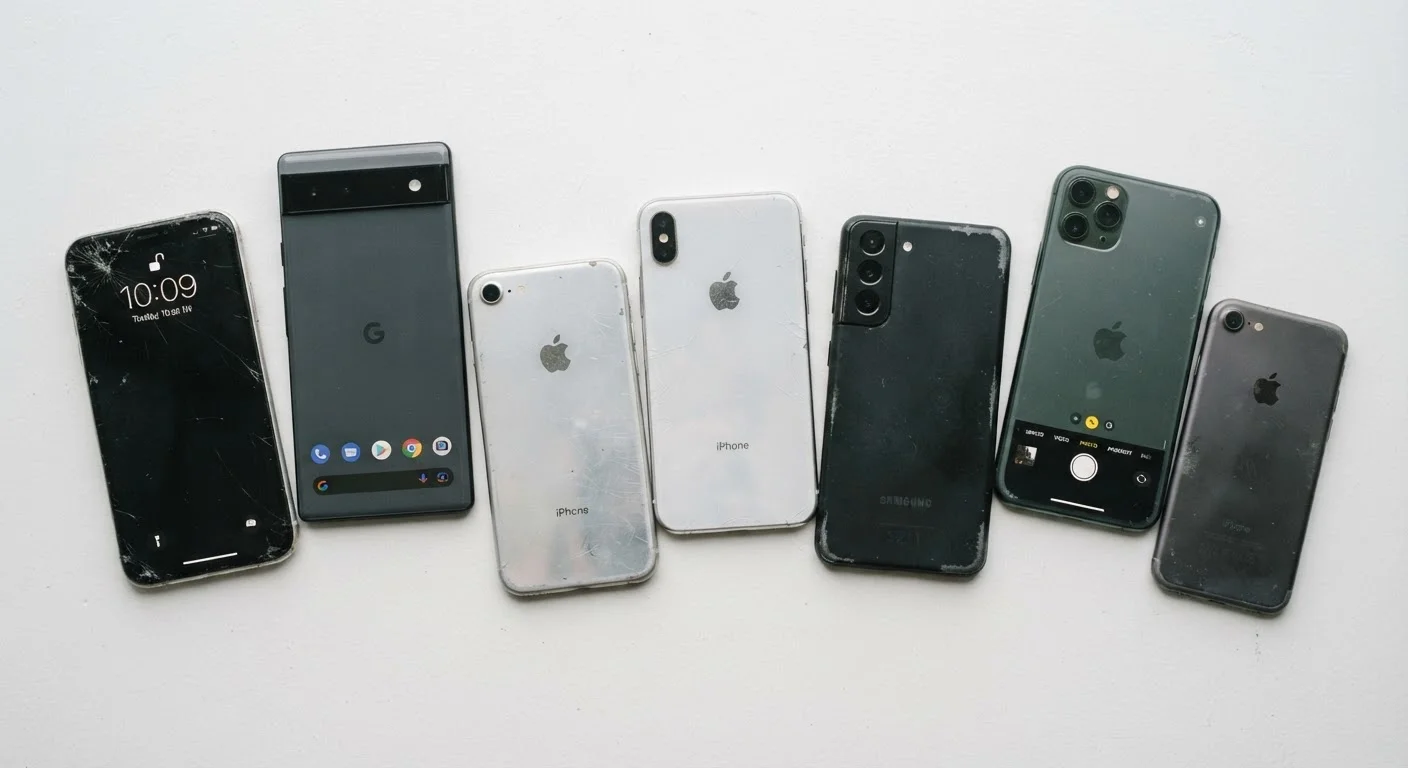
What 'Refurbished' Actually Means
The word refurbished gets applied to a wide range of devices - from barely-touched open-box returns to units that underwent significant repair. At its core, a refurbished phone is a previously owned or returned device that has been inspected, repaired as needed, cleaned, and resold. That process, however, can look very different depending on who's doing it.
Some refurbished phones were returned within days of purchase, never actually used. Others had cracked screens or faulty components that were replaced before resale. The term itself carries no universal regulatory definition, which is exactly why understanding the grading labels and the seller behind them matters so much.
Thinking about refurbished electronics shares some DNA with the certified pre-owned concept in other markets - the CPO vehicle framework offers a useful parallel: the label alone doesn't guarantee quality, but a verifiable inspection process can.
Decoding Refurbished Phone Grades
Most sellers use a letter or descriptor-based grading system. While there's no industry-wide standard, the tiers generally follow a consistent pattern:
- Grade A (Excellent / Like New): Minimal to no visible wear. The device functions fully and cosmetically looks close to new. Some sellers use "Grade A+" for open-box returns with essentially zero use.
- Grade B (Good): Light scratches or scuffs visible under close inspection, but no screen damage. Functionality is fully intact.
- Grade C (Fair / Acceptable): Noticeable cosmetic wear - scratches, possible minor dents - but the screen and all core functions work. Typically the lowest grade a reputable seller will offer.
The critical caveat: one seller's "Grade B" may be another's "Grade C." Always read the seller's own grade definitions, ideally with photo examples, rather than relying on the label alone.
When comparing grades across sellers, ask for actual photos of the specific unit - not stock images. A seller confident in their grading will always provide them.
Stock images tell you nothing about the actual device's condition. Real photos of the specific unit are the most reliable signal of a seller's transparency and grading accuracy.
Prioritize battery health percentage over cosmetic grade when deciding between two similarly priced units - a pristine-looking phone with 75% battery health will frustrate you far sooner than a scuffed one at 90%.
Battery degradation is the leading cause of dissatisfaction with refurbished phones. Cosmetic wear is visible and expected; a weak battery affects daily usability from day one.
Who Does the Refurbishing Matters
The source of the refurbishment is often more important than the grade label itself. Three main categories exist:
- Manufacturer-refurbished
- Processed by the original device maker or an authorized partner. These typically use genuine replacement parts, follow standardized testing protocols, and sometimes come with a limited manufacturer warranty. Generally considered the most reliable option.
- Carrier-refurbished
- Processed by a mobile network operator. Quality controls vary but are usually structured, and these units have often been tested for network compatibility.
- Third-party refurbished
- Processed by independent resellers. Quality varies enormously. Some are rigorous operations; others are not. Look for established sellers with transparent grading definitions, return policies, and verifiable customer feedback.
If you're evaluating a phone's screen specs after purchase, our guide on what mobile display specs actually mean can help you interpret what you're looking at.
Warranties, Return Windows, and What They Cover
A refurbished phone without a meaningful warranty is a significant risk. Before committing, confirm three things in writing:
- Warranty duration: Reputable sellers typically offer 90 days to 12 months. Anything shorter deserves scrutiny. Understand whether it covers hardware defects only or also includes battery degradation.
- Return window: A minimum 30-day return period is a reasonable baseline. This gives you enough time to identify issues that don't surface immediately - like intermittent connectivity problems or battery drain patterns.
- What's excluded: Most warranties won't cover accidental damage after purchase. Some explicitly exclude the battery if it meets a minimum health threshold (often 80%). Know the exclusions before you buy.
Blacklisted Devices Are a Real Risk
A phone can be reported stolen or blacklisted for non-payment, rendering it unable to connect to any domestic carrier network. Always verify IMEI status through a carrier or independent checker before purchasing any refurbished device, regardless of how reputable the seller appears. This check takes minutes and can save you from an expensive mistake.
Third-party warranty providers sometimes offer extended coverage for refurbished devices. These can add value, but read the claims process carefully - excessive documentation requirements or long turnaround times can make coverage difficult to use in practice.
Key Checks Before You Commit
Whether buying online or in person, run through this checklist before finalizing any refurbished phone purchase:
- Battery health: This is the single most consequential spec on a used device. On many phones, battery health percentage is accessible through the device settings. Anything below 80% means noticeably reduced daily runtime. Ask the seller for this figure if it isn't listed.
- IMEI status: The IMEI (International Mobile Equipment Identity) number - found in settings or by dialing *#06# - can be checked against carrier and national databases to confirm the device isn't reported stolen or blacklisted.
- Network lock status: Confirm whether the phone is unlocked or locked to a specific carrier. A locked phone limits your options significantly and can affect resale value.
- Software update eligibility: Older models may no longer receive operating system updates, which has security implications. Check the manufacturer's published support timeline for the model in question.
- Replacement parts disclosure: Some sellers note when non-original parts (especially screens or batteries) have been used. This isn't automatically a dealbreaker, but it's information worth having.
If you're unsure whether a refurbished upgrade is even necessary, it's worth reviewing practical steps to extend your current phone's life before making a decision.
Is a Refurbished Phone Right for You?
A refurbished phone can be a genuinely sound choice - not just a compromise - when you know what you're evaluating. The key is treating the process with the same diligence you'd apply to any significant purchase: verify the grade definition, confirm the seller's credibility, and ensure a real warranty backs the transaction.
Where refurbished phones make the most sense: buyers who want a capable device at a lower price point, those comfortable with a prior-generation model, and anyone who has done the homework on the specific unit and seller.
Where caution is warranted: purchases without any warranty, devices with undisclosed replacement parts, and listings where the grade definition is absent or vague. If the seller can't clearly explain what was inspected and what was replaced, that's a meaningful red flag.
Once you have your phone in hand, understanding its camera system is a natural next step - our plain-language breakdown of camera specs can help you get the most from what your device offers.
Approached carefully, the refurbished market offers access to capable hardware that would otherwise be out of reach - without requiring you to compromise on informed decision-making.
The content on this site is provided for informational purposes only and should not be considered a substitute for professional advice. While we strive to provide accurate and up-to-date information, we make no guarantees regarding its completeness or accuracy. Always consult a qualified professional for advice specific to your circumstances before making any decisions.