

Our Verdict
Small pets can be genuinely rewarding companions and are well-suited to certain households - but 'small' does not mean simple. The most successful owners go in with clear-eyed expectations about daily care demands, veterinary costs, and species-specific needs. Those who research thoroughly before committing tend to build far more fulfilling bonds with their animals.
Best suited to individuals or families with consistent daily routines, some discretionary income for veterinary care, and a genuine interest in learning species-specific behavior and husbandry.
What 'Small Pet' Actually Covers
The term small pet spans a remarkably wide range of animals - rabbits, guinea pigs, hamsters, gerbils, rats, birds, fish, and even hedgehogs or chinchillas. Each species carries its own behavioral profile, dietary requirements, housing standards, and health considerations. Lumping them together under one low-effort label is one of the most common mistakes prospective owners make.
Before weighing pros and cons, it helps to narrow down which animal you're actually considering. A budgerigar's needs differ fundamentally from a rabbit's - one requires social flock interaction and mental stimulation, the other needs significant floor space and a hay-dominant diet. Our guide on bringing home a pet reptile illustrates just how species-specific preparation must be, and the same principle applies across all small pet categories.
The Real Advantages of Small Pet Ownership
When the match between owner lifestyle and species needs is right, small pets offer genuine rewards that are worth taking seriously.
Compatible with smaller living spaces
Many small pets can thrive in apartments or homes without outdoor areas, provided their enclosure meets species-specific size requirements and enrichment needs.
Generally lower time demands than dogs
Most small pets do not require outdoor walks or extended off-leash exercise sessions, making them more manageable for owners with limited availability during working hours.
Can form meaningful bonds with owners
Rats, guinea pigs, and certain bird species are well-documented as social animals capable of recognizing and responding positively to consistent human interaction.
Wide variety of species to match lifestyle
The diversity within the small pet category means there is often a species whose temperament, activity level, and care needs align well with a given household's situation.
Educational value for children when supervised
With appropriate adult oversight and age-matched species selection, caring for a small pet can help children develop a sense of responsibility and empathy toward animals.
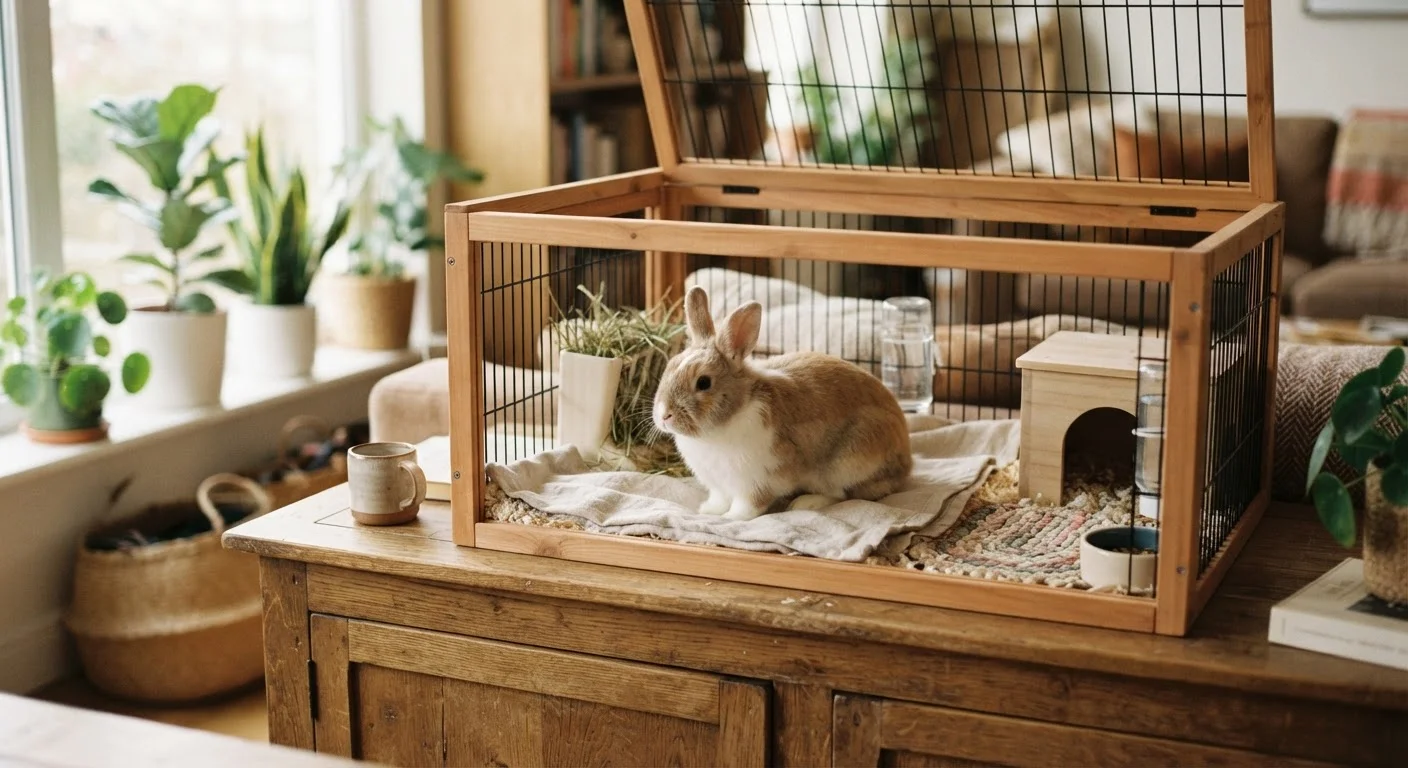
Smaller living spaces accommodate many small pets more comfortably than they could a dog or cat. For apartment dwellers or those without a yard, a well-configured rabbit hutch or bird cage can fit realistically within the home. And while interaction styles differ from those of cats or dogs, many small animals - particularly rats, guinea pigs, and some bird species - form recognizable bonds with their owners over time.
The Honest Disadvantages Worth Knowing
The appeal of small pets is sometimes built on misconceptions - that they're cheap, undemanding, and self-sufficient. Veterinary and animal welfare organizations consistently note that small animals are among the most commonly surrendered pets precisely because their actual needs surprise unprepared owners.
Specialized veterinary care is often harder to find
Rabbits, birds, and many other small pets require exotic-specialist veterinarians, who may be scarce in some regions and typically charge higher consultation fees than general practitioners.
Small animals instinctively hide illness
As prey species, many small animals suppress outward signs of sickness until their condition is advanced, making early detection genuinely challenging for even attentive owners.
Ongoing costs exceed most initial estimates
Bedding, hay, species-specific pellets, enrichment items, and routine health checks represent recurring monthly expenses that frequently surprise first-time owners.
Short lifespans can be emotionally difficult
Many small pets have lifespans of two to five years, meaning owners - particularly children - may face the loss of a pet relatively soon after the bond has formed.
Housing and enrichment needs are often underestimated
Commercially sold enclosures are frequently too small for the species they're marketed toward; veterinary and animal welfare guidance routinely recommends significantly larger setups than retail standards suggest.
Care cannot easily be paused for travel
Unlike some misconceptions suggest, small pets require daily feeding, monitoring, and in many cases social interaction - arranging reliable care during absences is a real logistical challenge.
Illness is a particularly serious concern. Small animals are prey species by instinct, meaning they tend to conceal signs of sickness until their condition is significantly advanced. Spotting early warning signs requires attentive daily observation - a skill that takes time to develop. Our article on signs your small pet needs a vet visit outlines the subtle behavioral and physical changes that warrant prompt professional attention.
Prey Species and Pain Masking
Rabbits, guinea pigs, hamsters, and many bird species are classified as prey animals. Evolutionary pressure has led these animals to suppress visible signs of pain or illness, as displaying vulnerability in the wild attracts predators. This means a small pet may appear normal to a casual observer while experiencing significant health problems. Daily observation of appetite, droppings, activity levels, and body posture is a core - not optional - part of responsible small pet ownership.
The Financial Picture Beyond the Purchase Price
Acquisition cost - whether from a rescue, breeder, or pet store - is typically the smallest financial commitment involved. Enclosures, bedding, species-appropriate food, enrichment items, and routine veterinary care accumulate quickly. Exotic small pets such as rabbits and birds often require a veterinarian who specializes in exotic or small mammal medicine, and those consultations can carry premium fees compared to standard dog or cat visits.
Emergency veterinary care compounds this further. A gut stasis episode in a rabbit or a respiratory infection in a bird can result in treatment costs that rival those for larger pets. Budgeting conservatively for unexpected veterinary expenses is not optional - it's part of responsible ownership. Our monthly small pet care checklist provides a practical framework for managing ongoing care costs and tasks across common small pet species.
~50%
Small pets surrendered within first year
Animal welfare organizations in the US consistently report that a significant proportion of small pet surrenders occur within the first twelve months of ownership, often citing unmet care expectations.
2-12 years
Lifespan range across common small pet species
Lifespan varies dramatically by species - hamsters typically live two to three years while rabbits and chinchillas can live ten to twelve years, a factor that significantly affects long-term commitment.
Making the Decision Thoughtfully
The best way to approach small pet ownership is to treat the decision with the same rigor you'd apply to any significant lifestyle commitment. Assess your daily schedule honestly - who will provide care during vacations or illnesses? Consider whether your household includes young children, other pets, or anyone with animal allergies, all of which affect species suitability. If the home already includes cats or dogs, introducing a new animal to existing pets requires careful management regardless of the new animal's size.
Reaching out to a local exotic animal veterinarian for a pre-ownership consultation is a worthwhile step that many first-time owners skip. It provides species-specific guidance rooted in current veterinary standards and helps calibrate realistic expectations before any animal comes home.
This article is for general informational purposes only and does not constitute veterinary advice. Always consult a qualified veterinarian for guidance specific to your animal's health and care needs.
The content on this site is provided for informational purposes only and should not be considered a substitute for professional advice. While we strive to provide accurate and up-to-date information, we make no guarantees regarding its completeness or accuracy. Always consult a qualified professional for advice specific to your circumstances before making any decisions.