

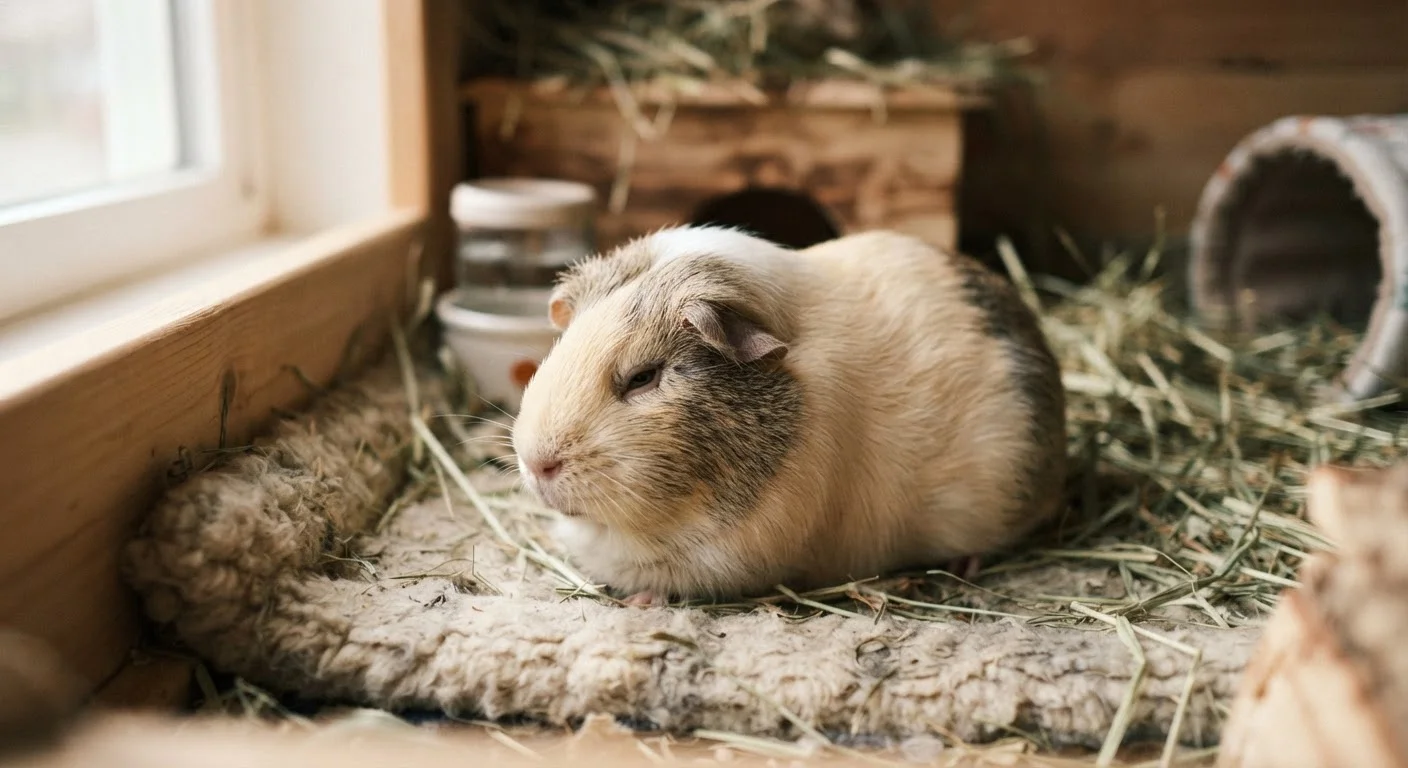
Why Small Pets Are So Good at Hiding Problems
Rabbits, guinea pigs, hamsters, birds, and other small animals share an evolutionary trait that complicates their care enormously: they are prey species. In the wild, showing weakness invites predation, so these animals are hardwired to mask pain, illness, and distress for as long as physically possible. By the time a rabbit stops eating or a bird sits puffed at the bottom of its cage, the condition driving that behavior has often been progressing for days.
This instinct doesn't disappear in captivity. It means that owners who wait for obvious signs of illness - dramatic weight loss, labored breathing, collapse - are frequently waiting too long. Understanding this biological reality is the foundation of responsible small-pet ownership. For a broader look at what caring for these animals actually demands, see what small-pet ownership really involves before committing.
Common Mistakes Owners Make - and How to Avoid Them
The errors below aren't signs of carelessness. They reflect understandable gaps in knowledge about how small animals communicate distress. Recognizing these patterns is the first step toward catching problems earlier.
Assuming a quiet, still pet is simply calm rather than unwell.
Why it happens: Owners often interpret reduced movement or hiding as rest, particularly in nocturnal species like hamsters whose activity patterns are naturally variable.
Waiting to see if reduced appetite resolves on its own.
Why it happens: With dogs and cats, a skipped meal is rarely urgent. Owners apply the same logic to small pets, not realizing that rabbits and guinea pigs can develop life-threatening GI stasis within hours of not eating.
Misreading changes in droppings as a minor dietary issue.
Why it happens: Stool changes are easy to dismiss as a reaction to a new food or a temporary upset, and owners often adjust diet and wait rather than seeking professional input.
Attributing weight loss to normal aging rather than investigating the cause.
Why it happens: Small pets age relatively quickly, and owners sometimes accept gradual decline as inevitable, particularly in older animals.
Overlooking respiratory changes in birds because they remain perched and alert.
Why it happens: Birds maintain an upright, alert posture until they are critically ill, so owners don't recognize tail-bobbing or a slightly open beak as early signs of respiratory distress.
Delaying a vet visit because a specialist appointment seems expensive or hard to access.
Why it happens: Exotic-animal vets can be harder to find and sometimes more costly than general practitioners, leading owners to postpone care or seek a general vet who may have limited small-animal experience.
Never Delay If These Signs Appear
Labored or open-mouth breathing, seizures, complete loss of balance, uncontrolled bleeding, or total food and water refusal for more than 12 hours in a small herbivore are emergencies. Do not wait to see if the animal improves - contact a veterinarian or emergency exotic-animal clinic immediately. Time is a critical factor in small-pet survival outcomes.
Building a Reliable Monitoring Routine
Because subtle changes are the primary signal, consistency in observation is your most powerful diagnostic tool. Owners who handle their pets regularly - and know what "normal" looks, feels, and smells like - are far more likely to notice when something shifts.
Key baselines to track include resting weight (a kitchen scale works well), stool output and consistency, daily food and water consumption, coat or feather condition, and general activity level. Deviations from any of these baselines - especially multiple deviations at once - warrant a call to your vet rather than a wait-and-see approach.
A structured monthly care checklist can help you formalize these checks so nothing gets overlooked between veterinary appointments.
~48 hrs
Time before GI stasis becomes life-threatening in rabbits
Veterinary references consistently note that rabbits can deteriorate rapidly once gut motility ceases, often within one to two days if untreated.
70%+
Prey-species illness hidden until advanced stage
Exotic and small-animal veterinary practitioners widely observe that most small-pet illnesses present to clinics in moderate-to-advanced stages due to the animals' instinct to conceal weakness.
It's also worth noting that the same masking instinct appears in cats, though their size makes some signs slightly easier to detect. If you share your home with feline companions, understanding how cats hide pain offers a useful parallel perspective.
This article provides general educational information about small-pet health and is not a substitute for professional veterinary advice. Always consult a qualified veterinarian - ideally one experienced with exotic or small animals - for concerns about your specific pet.
The content on this site is provided for informational purposes only and should not be considered a substitute for professional advice. While we strive to provide accurate and up-to-date information, we make no guarantees regarding its completeness or accuracy. Always consult a qualified professional for advice specific to your circumstances before making any decisions.