

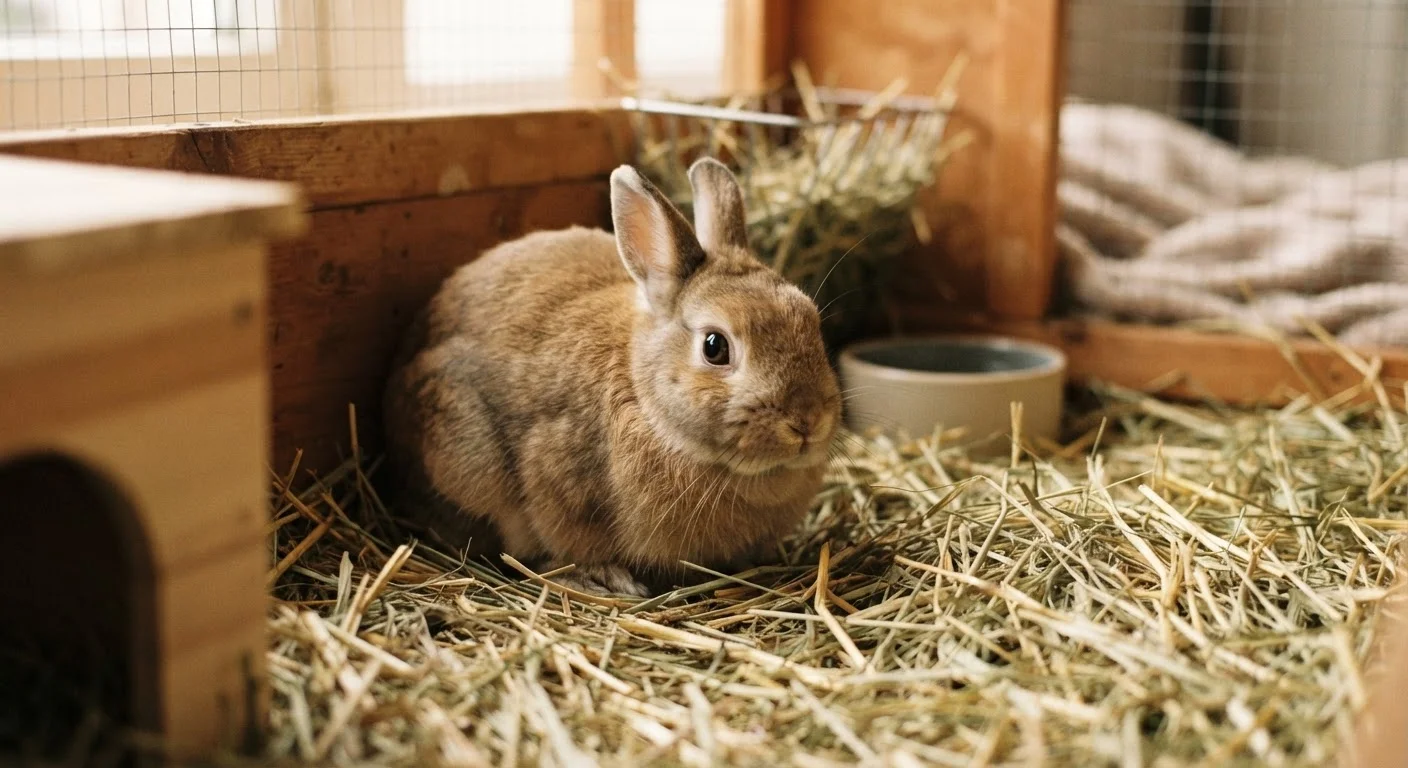
Why Rabbit Digestion Is Uniquely Fragile
Rabbits are obligate herbivores with a digestive system that depends on constant, rhythmic movement. Unlike dogs or cats, a rabbit's gut cannot simply pause and resume - even brief slowdowns allow gas-producing bacteria to proliferate in the cecum (a pouch at the junction of the small and large intestine), causing painful bloating and dangerous toxin buildup.
This continuous-movement requirement means that anything interfering with normal gut activity - diet changes, stress, insufficient fiber, dehydration, or pain from another cause - can tip a rabbit into stasis with little warning. Understanding this fragility is the foundation of responsible rabbit ownership.
For a broader look at the subtle ways rabbits signal discomfort before a health crisis develops, see reading your rabbit's body language.
80%+
Of diet that should be grass hay
Rabbit welfare organizations, including the RSPCA and House Rabbit Society, consistently recommend that grass hay constitute the vast majority of a rabbit's daily diet to support healthy gut motility.
24-48 hrs
Window before stasis becomes critical
Veterinary guidance widely indicates that gut stasis can escalate to a life-threatening state within one to two days without treatment, underscoring the need for prompt professional evaluation.
~300+
Fecal pellets a healthy rabbit produces daily
A significant drop in daily fecal output is one of the earliest and most reliable observable signs of digestive slowdown, making daily litter tray monitoring an important owner habit.
Common Causes and Triggers
Gut stasis rarely has a single cause - it is usually the result of one or more converging factors:
- Low fiber intake: Diets heavy in pellets or fresh vegetables at the expense of unlimited grass hay deprive the gut of the coarse fiber it needs to maintain motility.
- Dehydration: Insufficient water intake thickens gut contents and slows transit. Rabbits that drink from bottles rather than bowls often consume less water overall.
- Stress: Environmental changes, loud noises, new animals in the home, or handling trauma can cause the gut to slow almost immediately.
- Pain from another source: Dental disease, urinary tract issues, or musculoskeletal pain can suppress appetite and movement, indirectly halting digestion.
- Ingested hair: Rabbits ingest fur during grooming. Without adequate fiber to move it through, hair can accumulate and contribute to slowdowns - though true hairball blockages are less common than once believed.
- Insufficient exercise: Sedentary rabbits have lower gut motility. Physical activity directly stimulates digestive movement.
A rabbit owner switches their pet from grass hay to a pellet-heavy diet recommended by a well-meaning but outdated source. Within two weeks, the rabbit's droppings decrease and the animal becomes lethargic.
A rabbit that is normally active and social becomes quiet and hunched the day after a house move, refusing its morning greens.
An owner notices their rabbit has produced very few droppings overnight and is grinding its teeth while sitting in a corner.
Recognising the Warning Signs
Early detection is critical because gut stasis deteriorates quickly. Owners who monitor their rabbit daily are far better positioned to catch problems before they become emergencies. Key warning signs include:
- Reduced or absent fecal pellets - this is often the first observable sign
- Small, misshapen, or unusually dark droppings
- Loss of appetite, including refusal of favorite foods
- Hunched posture or reluctance to move
- Tooth grinding (bruxism) - a sign of pain in rabbits
- Bloated or hard abdomen
- Lethargy and reduced interaction
Even if just one or two of these signs are present, contacting a rabbit-savvy veterinarian promptly is the right course of action. For guidance on other subtle signals small pets send before illness becomes advanced, see signs your small pet needs a vet visit.
Prevention: Daily Habits That Make a Difference
Most cases of gut stasis are preventable with consistent, evidence-aligned husbandry. The following practices are recommended by rabbit welfare organizations and veterinary professionals:
- Provide unlimited grass hay: Timothy, orchard grass, or meadow hay should form at least 80% of the diet. Hay keeps the gut moving and wears down continuously growing teeth.
- Ensure fresh water is always available: Wide, shallow water bowls tend to encourage greater water intake than sipper bottles.
- Limit pellets: Pellets should be a supplement, not a staple. Excessive pellets displace hay consumption.
- Maximize free-roaming time: Daily exercise outside a confined hutch stimulates gut motility and reduces stress.
- Minimize stress: Stable routines, quiet environments, and, where appropriate, a bonded companion can meaningfully reduce chronic stress. See our guide on introducing a second rabbit for structured bonding advice.
- Conduct regular health checks: Monthly assessments of weight, coat, eyes, and droppings catch early changes. The monthly small pet care checklist offers a practical framework for this routine.
Monitor the Litter Tray Daily
Checking your rabbit's litter tray once or twice daily takes under a minute but provides invaluable health data. Note the quantity, size, and consistency of fecal pellets - any significant change from your individual rabbit's normal output warrants attention. Keeping a rough mental baseline of what's normal for your specific rabbit makes early detection far more reliable.
This article is for general informational purposes only and does not constitute veterinary medical advice. Always consult a qualified veterinarian for any health concerns about your rabbit.
Frequently Asked Questions
Gut stasis can become dangerous within 24 to 48 hours if left untreated. Gas buildup and cecal imbalance escalate quickly, causing severe pain and organ stress. Seek veterinary care as soon as you notice warning signs - do not wait to see if the rabbit improves on its own.
Home management is not appropriate as a first response. While encouraging gentle movement and offering hay and water are supportive steps, gut stasis requires a veterinary diagnosis to rule out blockages and determine proper treatment. Self-treating without professional guidance can delay critical care.
A healthy rabbit produces dozens of round, dry fecal pellets daily, plus softer cecotropes that they re-ingest directly from their hindquarters. Consistent pellet production is one of the best daily health indicators owners can monitor.
No - they are related but distinct. Gut stasis refers to slowed or halted motility, while a true blockage involves a physical obstruction in the GI tract. Both are serious, but treatment approaches differ, making veterinary diagnosis essential.
Any rabbit can develop gut stasis, but those fed low-fiber diets, sedentary rabbits, recently stressed animals, and those recovering from illness or dental disease face higher risk. Older rabbits may also be more vulnerable due to reduced gut tone.
A rabbit-savvy vet will typically perform a physical exam, abdominal palpation, and may take X-rays to assess gas distribution and rule out blockage. Treatment often involves fluid therapy, pain management, gut motility drugs, and nutritional support - the exact approach depends on severity.
The content on this site is provided for informational purposes only and should not be considered a substitute for professional advice. While we strive to provide accurate and up-to-date information, we make no guarantees regarding its completeness or accuracy. Always consult a qualified professional for advice specific to your circumstances before making any decisions.