

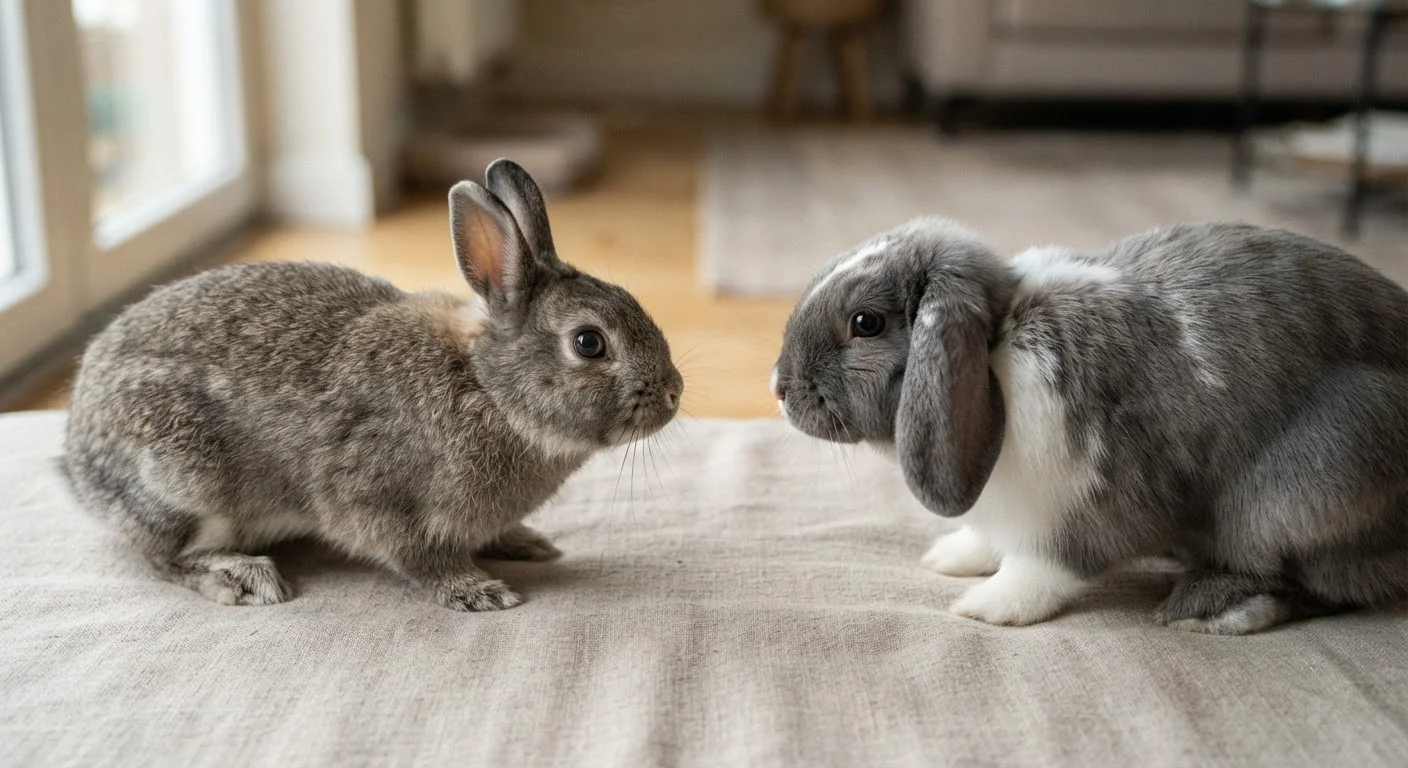
Why Rabbit Bonding Requires Structure
Rabbits are social animals, but they are also deeply territorial. In the wild, rabbits form stable group hierarchies within defined territories - and they defend those territories actively against outsiders. Bringing a second rabbit home without a careful introduction strategy can result in serious fighting, lasting stress, and health consequences for both animals.
Unlike dogs, whose social introductions often resolve within hours, rabbit bonding is measured in days, weeks, or even months. The good news is that a well-bonded pair of rabbits will groom each other, sleep together, and provide genuine companionship - outcomes worth the careful effort the process demands.
Alter Both Rabbits Before Bonding
Rabbit welfare organizations consistently recommend that both rabbits be spayed or neutered before any bonding attempt begins. Hormones drive territorial aggression, and unaltered rabbits are far more likely to fight seriously. Allow at least four to six weeks post-surgery for hormone levels to settle before starting introductions. Always consult your veterinarian about timing specific to your rabbit's health.
Before gathering your materials or beginning any steps, make sure the prerequisites below are in place. Skipping the spay/neuter step in particular is the single most common reason introductions fail or result in injury.
What you will need
For context on how a similar phased approach works with other species, see our article on introducing a new cat to a multi-pet household.
What You'll Need
Successful bonding sessions require a few key items to keep both rabbits safe and the process controlled. The right setup reduces the chance of a fight and makes it easier for you to intervene calmly if needed.
Neutral-territory pen or exercise pen
Creates a safe, unfamiliar space where neither rabbit has established territorial ownership.
Divider panel or baby gate
Allows rabbits to see and smell each other safely before direct contact.
Thick towel or oven mitts
Used to separate rabbits quickly and safely if a fight breaks out without risking injury to your hands.
Separate enclosures for each rabbit
Ensures each rabbit has its own safe space to retreat to between bonding sessions.
Spray bottle with water
Can be used to interrupt minor chasing or mounting without direct physical intervention.
Step-by-Step Introduction Process
Follow each step at the pace your rabbits set - there is no fixed timeline. Consistent, short positive sessions build trust more effectively than infrequent marathon meetings.
Set Up Separate Enclosures Side by Side
Before any face-to-face contact, place the two rabbits' enclosures close enough that they can smell and hear each other but cannot touch. A mesh divider works well. Swap bedding, litter trays, or hay between the enclosures daily so each rabbit becomes familiar with the other's scent. Continue this phase for at least one week, observing how each rabbit reacts to the other's presence at the barrier.
Choose and Prepare a Neutral Introduction Space
Select a room or area that neither rabbit has used before - a bathroom, a hallway, or a cleared section of a room works well. Clean the space thoroughly to remove existing scent markers. Set up a small exercise pen within the space. Remove any resources such as food bowls, toys, or hides that could trigger territorial behavior during the first sessions.
Conduct Short, Supervised First Meetings
Place both rabbits in the neutral pen simultaneously and observe closely. First sessions should last no more than 10-15 minutes. Expect some chasing, circling, and sniffing - this is normal exploratory behavior. Watch for body language cues: flattened ears, thumping, and lunging are signs of escalating tension. Stay calm and present but avoid hovering too closely, as your anxiety can transfer to the rabbits.
Intervene Appropriately During Tension
Minor chasing and mounting (from either rabbit) is normal during bonding and does not require intervention. However, if you see biting, fur-pulling, or a rabbit locked in a bite hold, separate them immediately and calmly using a towel - never use your bare hands between fighting rabbits. After a fight, allow both rabbits to settle before assessing whether to continue that day. Review our guide on reading rabbit body language to distinguish tension from normal interaction.
Gradually Extend Session Length and Space
As sessions become consistently calm - typically over the course of several days to a few weeks - gradually increase their duration. When both rabbits regularly sit near each other without tension, begin expanding the shared space. Progress at the pace of the slower-to-accept rabbit, not the more confident one.
Transition to a Shared Living Space
Once both rabbits are consistently grooming each other, resting side by side, and showing relaxed body posture during extended sessions, they may be ready to share a permanent living space. Deep-clean the enclosure before introducing both rabbits together so it smells neutral to each. Monitor closely for the first several days before gradually reducing direct supervision. Keep their routine and environment consistent - sudden changes can temporarily disrupt even an established bond.
Stress Bonding: Use With Caution
Some experienced rabbit owners use brief shared mild stressors - such as a short car ride together in a carrier - to encourage rabbits to seek comfort in each other. This technique is not universally recommended and can backfire if rabbits are already highly stressed. Research the method thoroughly and consider consulting a rabbit-savvy rescue or veterinarian before trying it.
Recognizing Signs the Bond Is Working
Progress isn't always linear, but certain behaviors reliably signal that a bond is developing. Mutual grooming - where each rabbit grooms the other - is one of the clearest positive indicators. Relaxed postures such as loafing (sitting with paws tucked under the body) in close proximity, or both rabbits sleeping in the same corner, also suggest growing trust.
Conversely, persistent thumping, teeth-grinding (distinct from quiet tooth purring), and deliberate avoidance of each other after weeks of sessions may indicate an incompatibility that a rabbit-savvy rescue or veterinarian should help you evaluate. Not every pairing will succeed - and recognizing an incompatible match early protects both animals from chronic stress.
Never Leave Rabbits Unsupervised Early On
Even rabbits that appear calm during supervised sessions can fight when left alone together. Unsupervised time should only begin once weeks of consistent, positive interaction have established a reliable bond. Rabbit bites and scratches can cause serious injury, so always have a way to separate them quickly - such as a towel or a divider panel - before entering their space.
During and after bonding, maintain the monthly health and enrichment routines that keep both rabbits thriving. Our monthly small pet care checklist covers the key tasks for rabbit owners at every stage. Also be aware that stress from bonding sessions can occasionally contribute to digestive issues - if a rabbit stops eating or producing droppings, review the warning signs outlined in our guide to rabbit gut stasis and contact your veterinarian promptly.
The content on this site is provided for informational purposes only and should not be considered a substitute for professional advice. While we strive to provide accurate and up-to-date information, we make no guarantees regarding its completeness or accuracy. Always consult a qualified professional for advice specific to your circumstances before making any decisions.