

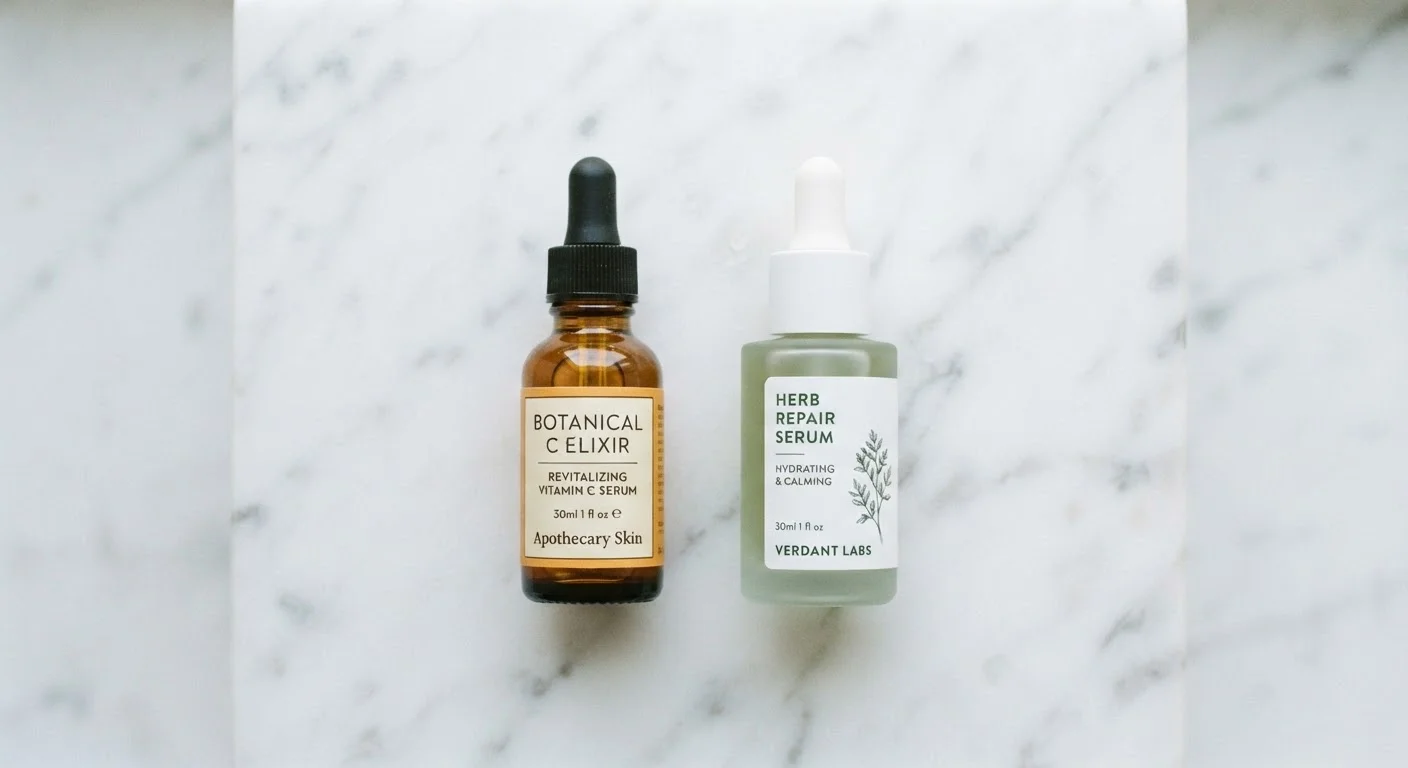
Option A
Retinol
The clinically studied vitamin A derivative with decades of research behind it.
Best for: Those seeking well-documented anti-aging benefits who can manage an adjustment period and potential sensitivity.
Option B
Bakuchiol
The plant-derived alternative with a gentler profile and growing scientific interest.
Best for: Those with sensitive or reactive skin, or anyone who cannot tolerate retinol, looking for a milder renewal approach.
What Each Ingredient Actually Is
Retinol is a form of vitamin A, belonging to a broader family of compounds called retinoids. When applied topically, retinol is converted by the skin into retinoic acid - the biologically active form that interacts with skin cell receptors to influence cell turnover and stimulate collagen production. It has been studied extensively since the 1970s and remains one of dermatology's most referenced topical ingredients.
Bakuchiol is a meroterpene compound extracted from the seeds and leaves of the Psoralea corylifolia plant, which has a long history of use in Ayurvedic and traditional Chinese medicine. Unlike retinol, it is not a vitamin A compound and does not convert to retinoic acid. Instead, early research suggests it may activate some of the same gene pathways associated with skin renewal, though through distinct mechanisms. Studies published in peer-reviewed journals, including a notable 2018 trial in the British Journal of Dermatology, have shown comparable improvements in certain skin texture and pigmentation measures between bakuchiol and retinol - but the overall body of evidence for bakuchiol remains much smaller.
Retinoids vs. Retinol: A Quick Distinction
"Retinoids" is an umbrella term covering all vitamin A derivatives, including prescription-strength retinoic acid (tretinoin), retinaldehyde, retinol, and retinyl esters. Retinol, the form most commonly found in over-the-counter products, is milder than prescription retinoids because it requires conversion steps before becoming active in the skin. This distinction matters when comparing products - not all retinoids carry the same strength or side effect profile.
How They Differ in Practice
The most significant practical difference between these two ingredients is tolerability. Retinol is well known for causing a temporary adjustment period - commonly called the "retinol uglies" among skincare enthusiasts - during which users may experience flaking, tightness, redness, and increased photosensitivity. This phase typically resolves as the skin adapts, but it can deter consistent use, especially for those with already-reactive skin.
Bakuchiol, by contrast, is generally reported to cause far less irritation. Clinical comparisons have noted a meaningfully lower incidence of dryness and stinging in bakuchiol users. This tolerability advantage is particularly relevant for people with sensitive or dry skin types, or for those using other active ingredients in their routine that already increase irritation risk. See how different active ingredients interact for a broader look at combination considerations.
| Criterion | Retinol | Bakuchiol |
|---|---|---|
| Origin | Vitamin A derivative (synthetic or animal-derived) | Plant-derived (Psoralea corylifolia) |
| Mechanism | Converts to retinoic acid; binds retinoid receptors | May activate similar gene pathways via different mechanism |
| Volume of clinical research | Extensive - decades of peer-reviewed studies | Growing - promising but limited compared to retinol |
| Tolerability | Can cause dryness, peeling, redness during adjustment | Generally gentler; fewer reported side effects |
| Photosensitivity | Increases sun sensitivity; night use recommended | More photostable; morning or evening use generally fine |
| Pregnancy suitability | Generally advised against - consult a provider | Insufficient safety data - consult a provider |
| Ideal skin type | Normal to oily; those who can tolerate adjustment period | Sensitive, dry, or reactive skin types |
Another key distinction is sun sensitivity. Retinol degrades in UV light and increases the skin's vulnerability to sun damage, which is why most dermatologists recommend applying it at night and using broad-spectrum SPF during the day. Bakuchiol is more photostable and can generally be used morning or evening, though daily sun protection remains advisable regardless.
Choosing the Right Approach for Your Skin
The decision between retinol and bakuchiol is rarely about which is objectively superior - it depends on your skin type, sensitivity threshold, existing routine, and how much adjustment you're willing to manage. Retinol's extensive clinical track record makes it the reference standard for addressing visible signs of aging, but that evidence comes with a well-documented set of side effects that aren't suitable for everyone.
If you're exploring either ingredient for the first time, a gradual introduction is important. Patch testing and careful timing when adding any new active to a routine can help you identify sensitivities early. It's also worth considering how either ingredient fits within your layering sequence - the order in which you apply skincare products affects how well they absorb and interact. And because skin needs shift across different life stages, understanding how skin changes over time can inform whether now is the right moment to introduce a renewal-focused ingredient at all.
One important caution applies to both: neither retinol nor bakuchiol has established safety data for use during pregnancy or breastfeeding. Retinol is widely flagged by healthcare providers as one to avoid during pregnancy due to concerns related to high vitamin A intake. Bakuchiol lacks the research volume to be considered clearly safe in these circumstances either. If you are pregnant, breastfeeding, or planning to become pregnant, consult your healthcare provider before using either ingredient.
This article is for informational and educational purposes only. It does not constitute medical or dermatological advice. Consult a qualified healthcare professional before beginning any new skincare regimen, particularly if you have a skin condition, are pregnant, or are taking medications.
The content on this site is provided for informational purposes only and should not be considered a substitute for professional advice. While we strive to provide accurate and up-to-date information, we make no guarantees regarding its completeness or accuracy. Always consult a qualified professional for advice specific to your circumstances before making any decisions.