

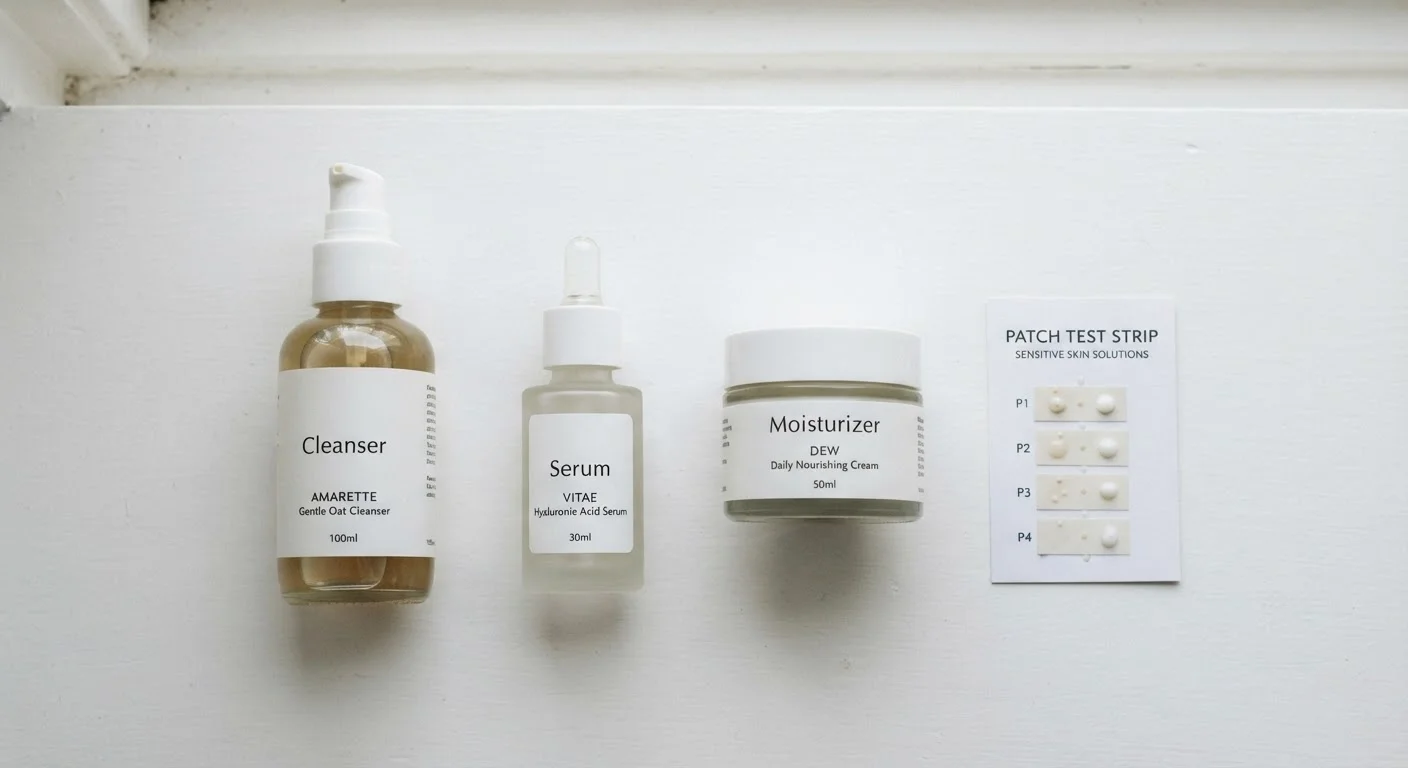
Summary
18 items · 20-40 minutes
Why a Pre-Introduction Checklist Matters
Adding a new product to your skincare routine can feel exciting - but rushing the process is one of the most common reasons people experience unexpected breakouts, irritation, or allergic reactions. Without a clear introduction process, it becomes nearly impossible to pinpoint what caused a flare-up when something goes wrong.
This checklist is designed to slow things down in a useful way. Whether you're adding a targeted serum, a new cleanser, or an active ingredient for the first time, working through these steps helps you build a safer, more informed routine. It applies to all skin types, though people with sensitive or reactive skin will benefit most from following every item closely. If you have a diagnosed skin condition, consult a dermatologist before introducing new active ingredients.
Before you dive in, it's worth understanding how to read what's actually in the product. Our guide to reading a skincare ingredient list without getting lost breaks down how ingredient labels are structured and what the ordering tells you about concentrations.
Ingredient Screening
Patch Testing
Timing and Context
Product and Storage Verification
Tracking and Follow-Up
Tools You'll Want Nearby
You don't need a lab to check a product properly. A few simple resources and materials will help you work through this checklist thoroughly.
Ingredient checker database
Look up individual ingredients to understand their function, typical concentration, and known irritancy potential.
Magnifying glass or reading glasses
Ingredient lists are frequently printed in very small font - a magnifier helps you read every item accurately.
Skin observation journal or notes app
Track dates, product use, and any skin changes over the introduction period for reliable troubleshooting.
Broad-spectrum SPF 30+ sunscreen
Required daily if you're introducing any photosensitizing ingredient, including retinoids or AHAs.
How to Use the Results
Once you've completed patch testing and confirmed there are no adverse reactions after 24-48 hours, you can begin introducing the product gradually - typically every other day for the first week or two, depending on the product type. Actives such as retinoids, exfoliating acids, and vitamin C generally require a slower build-up than everyday moisturizers or cleansers.
Don't Skip the Two-Week Buffer
Adding multiple products at once makes it impossible to identify the cause of a reaction. If your skin flares up and you've introduced three new products in the same week, you'll have to eliminate all of them and start from scratch. The two-week single-product rule protects your ability to learn from what you're using.
Keep a simple log noting the product name, date of first use, and any skin observations over the following two weeks. This record becomes invaluable if you later experience a reaction or want to evaluate whether a product is making a genuine difference. Consistency of other variables - sleep, diet, environment - also affects how your skin responds, so try not to change too many things at once.
If you're planning a more comprehensive routine overhaul, our article on building a skincare routine when you have sensitive skin walks through how to structure a minimal, low-irritation approach. For understanding how the products in your existing routine interact with each other, skincare ingredient interactions worth knowing about is a useful reference before you add anything new.
This article is for general informational and educational purposes only and is not a substitute for professional medical or dermatological advice. If you experience a severe reaction, persistent irritation, or have an underlying skin condition, consult a qualified healthcare professional.
The content on this site is provided for informational purposes only and should not be considered a substitute for professional advice. While we strive to provide accurate and up-to-date information, we make no guarantees regarding its completeness or accuracy. Always consult a qualified professional for advice specific to your circumstances before making any decisions.