

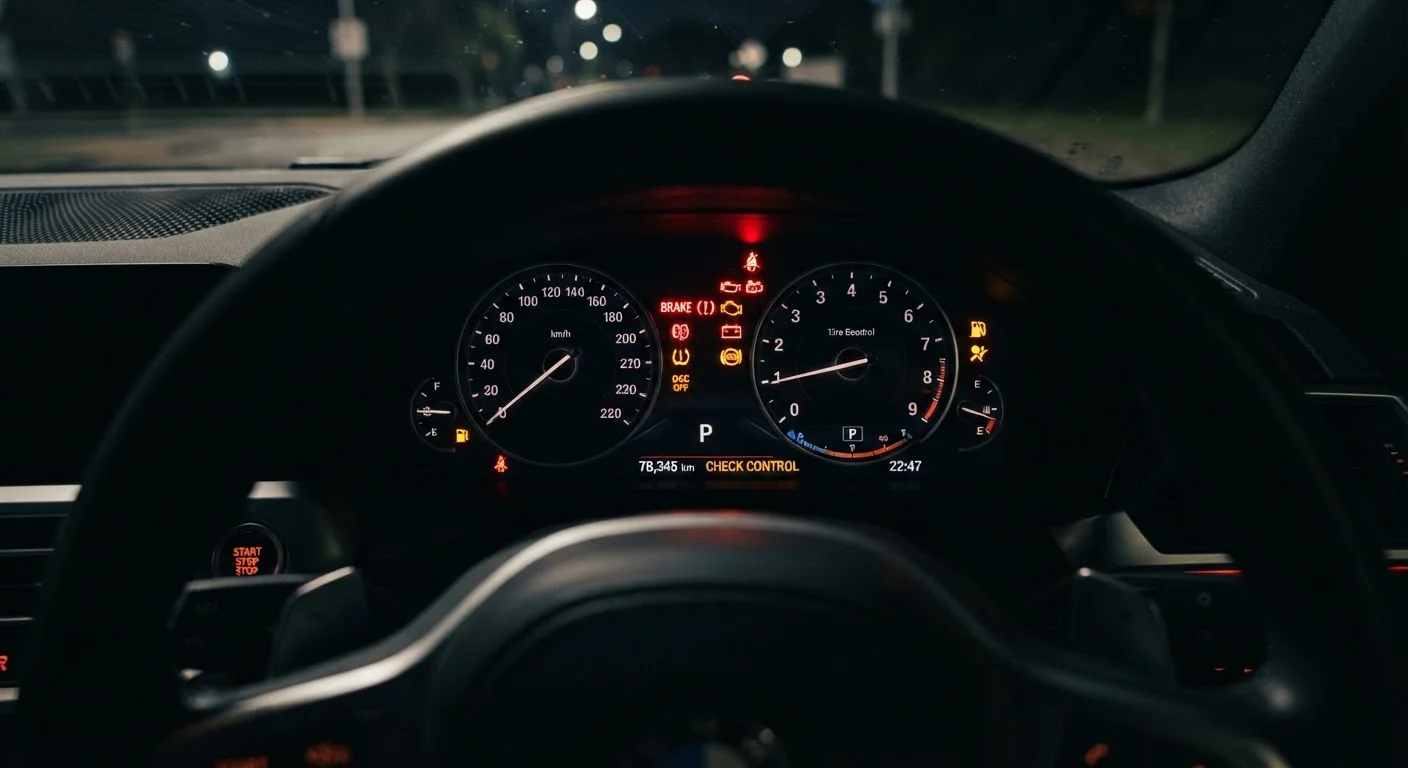
Why Warning Lights Exist - and Why They Matter
Modern vehicles are equipped with an OBD system that continuously monitors dozens of sensors across the engine, transmission, brakes, and safety systems. When something falls outside normal parameters, the relevant warning light illuminates on your instrument cluster. Think of these lights as your car's way of filing a complaint - ignoring them rarely makes the underlying issue disappear, and sometimes turns a minor fix into an expensive repair.
Warning lights generally follow a color-coded priority system. Red signals demand immediate attention and often mean you should pull over safely and stop driving. Amber or yellow lights indicate a condition that needs attention soon but usually isn't an emergency in the moment. Green or blue lights are informational - they confirm a system is active, not that something is wrong.
Because interpretations can vary by vehicle make and model year, always cross-reference any unfamiliar symbol with your owner's manual before drawing conclusions.
| Warning light color: Red | Stop or act immediately - indicates a serious or safety-critical condition |
| Warning light color: Amber/Yellow | Service needed soon - monitor closely and schedule professional inspection |
| Warning light color: Green/Blue | Informational - confirms a system (e.g., high beams, turn signal) is active |
| OBD-II standard introduced | Required on all US passenger vehicles from 1996 onward (U.S. Environmental Protection Agency) |
| Flashing vs. steady CEL | A flashing check engine light typically signals active engine misfires - more urgent than a steady light |
| Owner's manual | Primary reference for identifying your specific vehicle's warning symbols |
The Most Common Warning Lights, Explained
Understanding each symbol removes the anxiety of a suddenly lit dashboard. Here are the indicators drivers encounter most often:
Check Engine Light (CEL)
An amber engine-shaped icon that signals the OBD system has detected a fault in the engine, emissions, or related systems. A steady light typically means a non-urgent fault; a flashing light usually indicates active engine misfires requiring prompt attention.
TPMS Warning Light
A yellow cross-section-of-a-tire icon with an exclamation mark indicating one or more tires have dropped below the vehicle's recommended pressure threshold, or that a sensor has malfunctioned. Proper inflation is essential for handling and fuel efficiency.
Oil Pressure Warning
A red oil can icon that signals critically low oil pressure reaching the engine. This is a stop-immediately situation - driving with this light on can cause severe, irreversible engine damage within a very short time.
Battery / Charging System Light
A red battery icon indicating the vehicle's charging system is not maintaining adequate voltage. Common causes include a failing alternator, a weak battery, or a broken drive belt.
Brake System Warning
A red circle with an exclamation point or the word BRAKE. When the parking brake is fully released, this light can indicate low brake fluid, a hydraulic fault, or worn brake components - all of which require immediate professional evaluation.
Coolant Temperature Warning
A red thermometer submerged in liquid indicating the engine is operating above its safe temperature range. Overheating can cause serious engine damage quickly; pull over safely and allow the engine to cool before inspecting coolant levels.
Traction / Stability Control Light
An amber icon of a car with wavy lines beneath it. A momentary flash during slippery conditions is normal; a light that stays on may indicate a sensor fault or that the system has been manually disabled.
Diagnostic Trouble Code (DTC)
A standardized alphanumeric code stored in the vehicle's computer when a sensor reading falls outside acceptable limits. DTCs help mechanics pinpoint which system or component triggered a warning light.
For a deeper look at what your TPMS light is communicating - including the difference between a low-pressure alert and a sensor fault - see our TPMS guide. Brake-related lights deserve particular urgency; brake wear signals can accompany a warning icon and should never be dismissed.
When to Stop Immediately vs. When to Schedule Service
Not every lit warning light is a roadside emergency, but knowing the difference could protect you, your passengers, and your vehicle.
Stop driving as soon as safely possible if you see:
- The oil pressure light (red oil can icon) - continuing to drive with critically low oil pressure can cause irreversible engine damage within minutes.
- The engine temperature warning (red thermometer in liquid) - an overheating engine risks warped cylinder heads and blown gaskets.
- The battery / charging system light combined with other electrical failures - the vehicle may shut down without warning.
- The brake system warning (red circle with exclamation point or "BRAKE") when the parking brake is fully released - this can indicate dangerously low brake fluid or a hydraulic failure.
Schedule a professional inspection soon (within a few days) if you see:
- The check engine light steady (not flashing) - a flashing check engine light, however, typically indicates active misfires that can damage the catalytic converter and warrants prompt attention.
- The TPMS light - check and correct tire pressures first; if the light persists, a sensor or slow leak may need professional diagnosis.
- The traction control or stability control light remaining on after startup - sensors or actuators may need evaluation.
Unsure whether a task is driver-friendly or genuinely requires a shop visit? DIY car checks vs. taking it to a mechanic outlines where that line typically falls.
Practical Steps After a Warning Light Appears
When a new light illuminates, a calm, systematic response leads to better outcomes than either panic or denial.
- Note the color and any accompanying symptoms - unusual sounds, smells, handling changes, or power loss all help a mechanic diagnose the root cause faster.
- Consult your owner's manual - the symbol index identifies exactly what the light means for your specific vehicle.
- Check the basics yourself where safe to do so - for a TPMS alert, verify tire pressures with a gauge; for an oil warning, check the dipstick when the engine is cool. Do not open a hot radiator cap.
- Avoid high-speed or long-distance driving until the cause is identified, particularly for red or flashing amber lights.
- Use an OBD-II reader if available - inexpensive plug-in scanners can pull the diagnostic trouble code (DTC) stored in the vehicle's computer, giving a mechanic a useful starting point.
- Get a professional diagnosis - warning lights indicate a fault was detected; only proper diagnostic equipment and a qualified technician can confirm the cause and the correct repair.
This article is for general informational purposes only. Warning light meanings can vary by vehicle make, model, and model year - always consult your owner's manual and a qualified mechanic for diagnosis and repair decisions.
The content on this site is provided for informational purposes only and should not be considered a substitute for professional advice. While we strive to provide accurate and up-to-date information, we make no guarantees regarding its completeness or accuracy. Always consult a qualified professional for advice specific to your circumstances before making any decisions.