

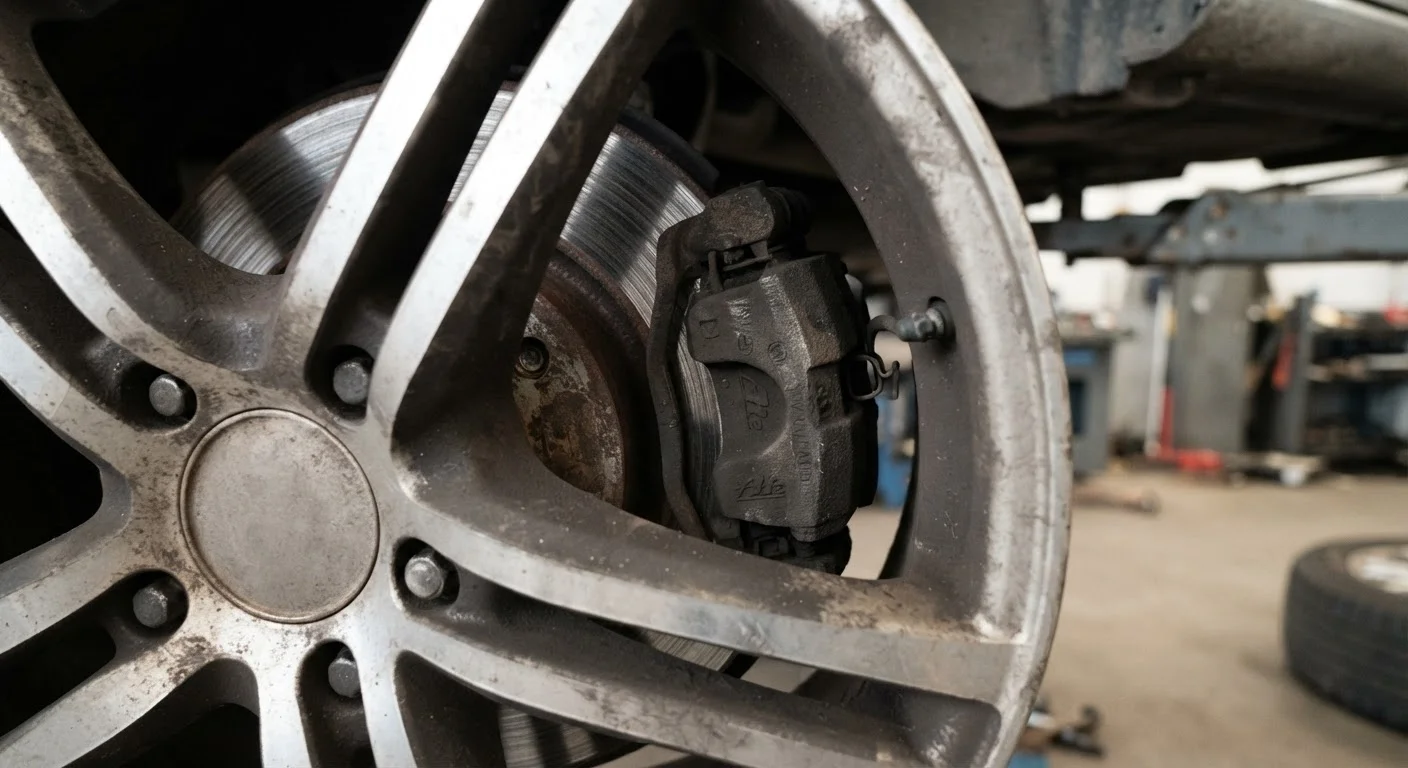
What Your Brakes Are Trying to Tell You
Brake systems are engineered with deliberate warning mechanisms - friction materials that squeal, metal wear indicators that grind, and hydraulic circuits that communicate through pedal feel. When something changes, the vehicle is signaling that something needs attention. Understanding what each symptom typically points to can help drivers act at the right moment rather than too late.
Brake-related warning signs range from audible noises to physical sensations and dashboard alerts. Each pattern tends to correspond to a specific type of wear or component issue. This reference covers the most common signals and what they generally suggest - though an inspection by a qualified mechanic is always the appropriate next step when any symptom appears. As covered in why small brake symptoms rarely stay small, early action typically costs far less than delayed intervention.
| Typical pad replacement interval | 25,000-70,000 miles (varies by driving style and pad type) (General industry guidance; always defer to vehicle manufacturer specs) |
| Minimum rotor thickness | Stamped on each rotor; replacement required when reached (Vehicle-specific; check owner's manual or rotor markings) |
| Brake fluid change interval | Every 2-3 years is a common guideline; check owner's manual (Varies by fluid type and manufacturer recommendation) |
| Wear indicator squeal pitch | High-frequency squeal audible at low speed is by design (Standard feature on most modern brake pads) |
| Common brake system components | Pads, rotors (discs), calipers, brake lines, master cylinder |
| Symptom requiring most urgent action | Metal grinding or significantly increased pedal travel (General professional consensus) |
Common Brake Warning Signals Explained
High-Pitched Squealing
A persistent squeal during normal braking - not just when the rotors are wet after rain - often indicates that the brake pad wear indicators have made contact with the rotor. Most modern pads include a small metal tab engineered specifically for this purpose. It is a designed warning, not an accident. Addressing it promptly usually means replacing pads before rotor damage occurs.
Grinding or Metal-on-Metal Sound
Grinding during braking typically means the friction material on the brake pad has worn away entirely, leaving metal contacting metal. This stage can damage rotors quickly and affects braking performance. A grinding brake is generally considered a situation requiring prompt professional attention rather than a watch-and-wait scenario.
Spongy or Soft Brake Pedal
A pedal that travels further than usual before engaging, or that feels soft underfoot, can indicate air in the brake lines, a low brake fluid level, or a potential issue with the master cylinder. Because the brake hydraulic system is directly linked to stopping ability, a spongy pedal warrants inspection without delay. See what brake-related dashboard lights mean for accompanying instrument panel signals.
Vibration or Pulsation When Braking
A steering wheel or brake pedal that vibrates under braking pressure is commonly associated with warped or unevenly worn rotors. Rotors can warp due to heat cycling, heavy use, or being cooled too rapidly. The sensation is distinct from normal road vibration and tends to be rhythmic and repeatable.
Vehicle Pulling to One Side
If the car drifts left or right when brakes are applied - and steering alignment has already been ruled out - uneven braking force between the left and right sides is a likely cause. A seized caliper or uneven pad wear can produce this symptom. Pulling during braking affects vehicle control and merits professional diagnosis. For guidance on distinguishing which checks you can handle yourself versus those requiring a shop, see DIY car checks versus mechanic visits.
Brake Warning Light Illuminated
A lit brake warning light can indicate low brake fluid, a problem with the parking brake release, or - on vehicles equipped with electronic monitoring - a detected fault in the braking system. It should not be dismissed as a sensor glitch without a proper check.
When to Pull Over Immediately
If the brake pedal sinks toward the floor, braking requires noticeably more force than usual, or you hear grinding combined with reduced stopping ability, these are situations where continuing to drive can be unsafe. Pull over in a controlled manner when it is safe to do so, and arrange for the vehicle to be inspected before driving further. A qualified mechanic should diagnose any significant change in brake performance promptly.
Brake Wear: Key Terms and Concepts
Understanding the basic language of brake systems makes it easier to communicate clearly with a mechanic and interpret inspection results accurately.
Brake pad
A friction material component that presses against the rotor to slow the vehicle. Pads wear down with use and require periodic replacement.
Rotor (disc)
The flat metal disc that rotates with the wheel. Brake pads clamp against the rotor surface to generate stopping friction. Rotors can warp or wear thin over time.
Caliper
The hydraulic clamp that holds the brake pads and squeezes them against the rotor when the brake pedal is pressed. A seized caliper applies uneven or constant pressure.
Wear indicator
A small metal tab embedded in the brake pad that contacts the rotor and produces a squealing sound when the pad material has worn to a minimum safe level.
Master cylinder
The hydraulic component that converts brake pedal pressure into fluid pressure throughout the brake lines. A failing master cylinder can cause a soft or spongy pedal.
Brake fade
A temporary reduction in braking effectiveness caused by overheating of pads or rotors, typically from sustained heavy braking. Most common on steep descents.
The content on this site is provided for informational purposes only and should not be considered a substitute for professional advice. While we strive to provide accurate and up-to-date information, we make no guarantees regarding its completeness or accuracy. Always consult a qualified professional for advice specific to your circumstances before making any decisions.