

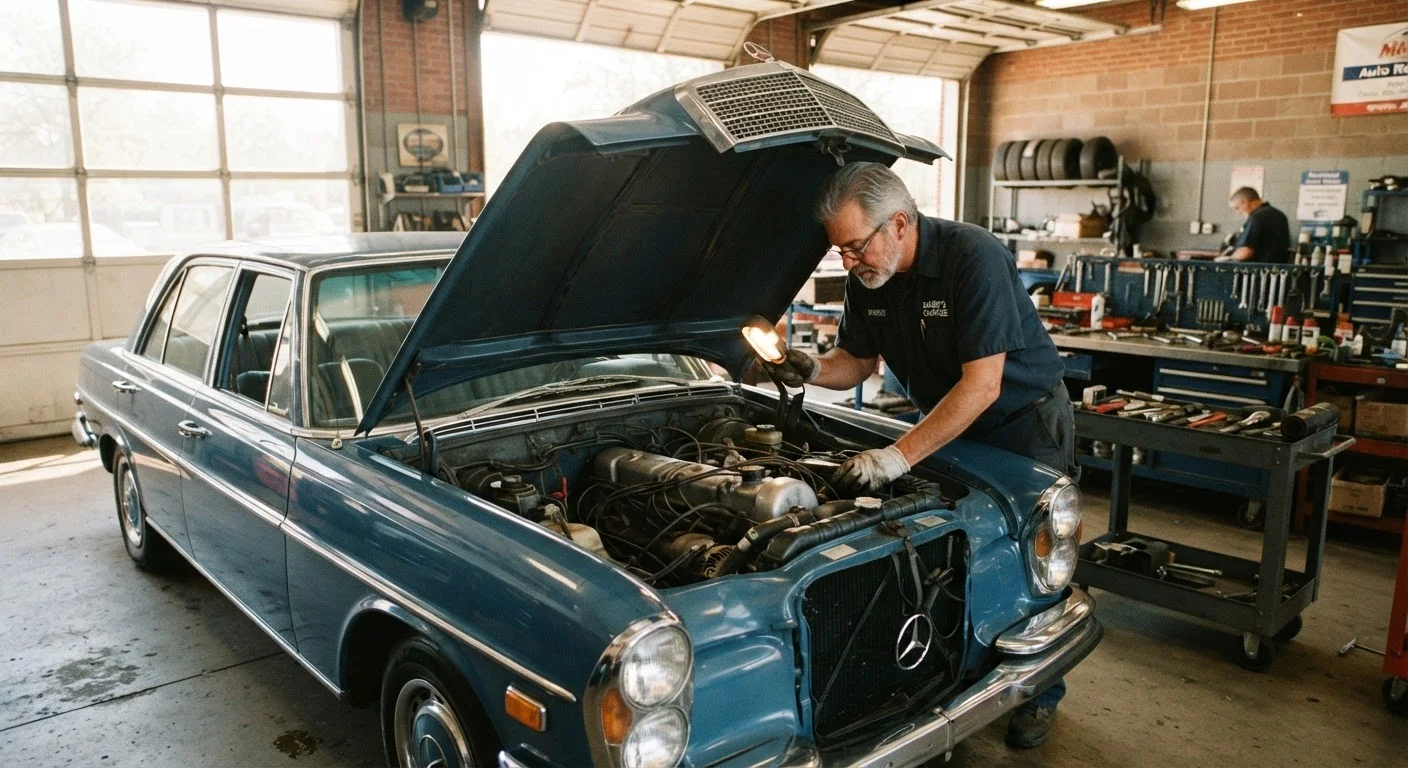
Why 100,000 Miles Is a Real Turning Point
Not long ago, 100,000 miles was considered the end of a vehicle's useful life. Modern engineering has changed that significantly - many well-maintained cars routinely reach 200,000 miles or more. But crossing the six-figure odometer mark does signal a genuine shift in what your car needs from you.
Up to this point, most maintenance follows the manufacturer's schedule fairly predictably: oil changes, filter swaps, tire rotations, and the occasional brake job. After 100,000 miles, a new layer of wear becomes relevant. Components made of rubber and plastic - seals, gaskets, hoses, and belts - have been exposed to years of heat cycling, vibration, and chemical stress. Metal surfaces in the engine and transmission have accumulated microscopic wear. Sensors and electronics that were fresh from the factory are now aging.
None of this means your vehicle is failing. It means your maintenance mindset needs to evolve. The goal shifts from following a fixed schedule to actively monitoring condition and catching wear before it cascades into something expensive. See the full picture on car maintenance costs and schedules for a broader framework on how to approach this.
Components That Deserve Closer Attention
Certain parts of a high-mileage vehicle warrant closer scrutiny than a routine schedule might suggest.
Beyond these core areas, don't overlook items that rarely get attention until they cause a breakdown. Serpentine belts, coolant, and cabin air filters are covered in detail in our guide on maintenance tasks that are easy to overlook.
Quick Wins You Can Act on Today
Some high-mileage maintenance steps are straightforward and can be addressed immediately without a shop visit.
For a structured approach across all seasons, the seasonal car maintenance checklist is a useful companion resource.
Keeping Records and Staying Ahead
At high mileage, a maintenance log stops being a nice-to-have and becomes genuinely useful. When you can see that the transmission fluid was changed at 95,000 miles or that the coolant hasn't been flushed in four years, you make better decisions - and so does your mechanic.
A good log also helps you spot recurring patterns. If you're adding a quart of oil between changes, that's worth tracking to determine whether consumption is stable or increasing. Detailed records can also support resale value by demonstrating diligent care. Learn more about starting and maintaining one in our article on keeping a vehicle maintenance log.
Finally, be willing to reassess assumptions you've held for years. Some common maintenance beliefs - like the necessity of changing oil every 3,000 miles - may not apply to your current situation. Check what the evidence actually says in car maintenance myths that could harm your vehicle.
High-mileage driving is entirely achievable. The vehicles that make it there reliably are almost always the ones with owners who paid attention.
The content on this site is provided for informational purposes only and should not be considered a substitute for professional advice. While we strive to provide accurate and up-to-date information, we make no guarantees regarding its completeness or accuracy. Always consult a qualified professional for advice specific to your circumstances before making any decisions.