

Summary
18 items · 20-40 minutes
Why a Pre-Purchase Check Matters
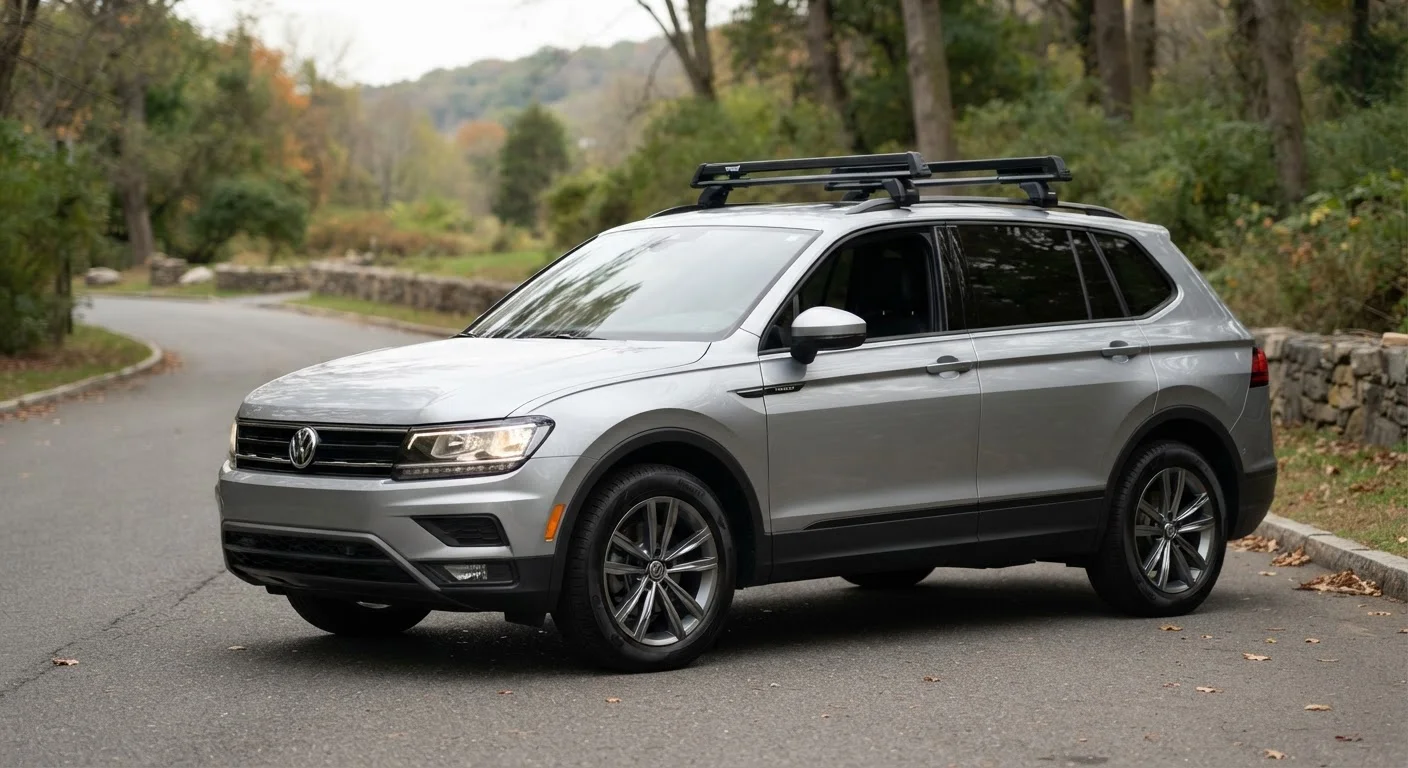
A roof rack looks straightforward until you're standing in a parking lot trying to fit hardware that doesn't match your car's roof profile. Incompatible racks can scratch paint, stress roof panels, create wind noise, or - in worst cases - shift in transit and damage cargo or other vehicles. Doing this homework upfront takes less than an hour and prevents problems that are far more expensive to fix later.
Roof racks also interact with your vehicle's load rating, aerodynamics, and potentially your insurance coverage, so it's worth approaching the purchase as a technical decision rather than an impulse buy. If you're still evaluating whether a rack is even the right accessory for your situation, our guide on distinguishing genuine upgrades from gimmicks is a useful starting point.
Vehicle Compatibility
Load Ratings
Fitting and Installation
Clearance and Practicality
Aerodynamics and Fuel Economy
Tools and References You'll Need
Before working through the checklist, gather a few key resources. Your owner's manual is the single most important document - it contains your roof load rating and will indicate whether your vehicle has factory-installed rails or mounting points. You'll also want your vehicle's exact year, make, model, and trim level on hand, since rack compatibility is often trim-specific.
Vehicle Owner's Manual
Contains your roof load rating, mounting point locations, and any manufacturer restrictions on rack use.
Tape Measure
Used to measure roof length, crossbar spread, and total vehicle height with the rack in place.
Torque Wrench
Ensures mounting hardware is tightened to the manufacturer's specified torque, preventing over- or under-tightening.
Trim and Model Reference Sheet
A written record of your exact year, make, model, and trim to use when verifying rack compatibility charts.
Fitting Key (rack-specific)
Many rack systems use a proprietary security key for locking foot assemblies - confirm it's included before purchase.
Garage Height Measurement
Your garage door or lowest clearance height, needed to check whether the loaded rack will fit without obstruction.
Trim-Level Differences Can Invalidate Compatibility
Rack manufacturers publish compatibility charts by year, make, model, and trim. Two vehicles from the same model year may have different roof profiles depending on trim - for example, a base trim may have no rails while a higher trim has flush rails. Always use your exact trim level when cross-referencing fit guides, not just the model name.
Understanding Load Ratings and Safety Limits
The most commonly misunderstood aspect of roof rack shopping is the difference between the rack's rated capacity and your vehicle's roof load limit. These are two separate numbers, and the lower one always governs. A rack rated to carry 165 lbs means nothing if your car's roof is only engineered to handle 75 lbs dynamically (i.e., while driving).
Dynamic load ratings - the weight limit while the vehicle is moving - are typically lower than static limits, which apply only when the car is parked and stationary (such as when loading a rooftop tent). Always confirm which figure applies to your intended use. This distinction is spelled out in most owner's manuals under a heading like "Roof Load" or "Luggage Rack."
Exceeding your roof load limit can cause structural damage to the vehicle, affect handling at highway speeds, and may create liability issues in the event of an accident. If you're unsure how these limits apply to a specific vehicle you're considering purchasing, a thorough pre-purchase vehicle inspection is the right place to surface any pre-existing roof or structural concerns.
Never Exceed Your Vehicle's Roof Load Limit
Overloading a vehicle roof can cause permanent structural damage, compromise handling, and create a serious safety hazard for other road users. Your vehicle's dynamic roof load rating is a hard limit set by the manufacturer - it is not a suggestion or a starting point for negotiation. If your intended cargo exceeds this figure, a trailer or cargo carrier is the appropriate alternative.
Fitting Methods and What They Mean for Your Roof
Roof rack systems mount in several distinct ways, and not every method suits every vehicle. Raised side rails - the tubes running front to back that many SUVs and wagons feature - accept crossbar feet that clamp directly onto them. Flush rails sit flat against the roof and require a different foot design. Vehicles with no rails at all typically use door-channel clamps or fixed-point mounts, the latter relying on factory-drilled anchor points hidden under plastic caps.
Glass roofs (panoramic or standard sunroofs) add another variable: some manufacturers prohibit clamping systems over large glass panels, and certain fixed-point systems are designed to work around this. Always verify the mounting footprint against your specific roof layout before purchasing.
For a broader view of how roof type and vehicle body style influence practical accessory decisions, see our body style guide, which covers how different roof designs affect real-world usability. And for a complete overview of sensible vehicle upgrades, our car accessories guide provides useful context on what to prioritize.
The content on this site is provided for informational purposes only and should not be considered a substitute for professional advice. While we strive to provide accurate and up-to-date information, we make no guarantees regarding its completeness or accuracy. Always consult a qualified professional for advice specific to your circumstances before making any decisions.