

Why Body Style Deserves More Thought Than It Usually Gets
Most buyers arrive at a dealership with a vague sense that they want something 'practical' or 'sporty,' often influenced by what neighbours drive or what appeared in a recent ad campaign. Body style - the fundamental shape and configuration of the vehicle - quietly determines almost every aspect of daily ownership: how easily you park, how much luggage fits, whether rear passengers feel cramped, and how confident you feel on a wet highway. Getting this decision right before you evaluate anything else saves considerable regret.
Once you're satisfied with body style, you can layer on other important considerations. Our guide on fuel type trade-offs walks through petrol, diesel, hybrid, and electric options in detail, and buying versus leasing helps clarify how you'll finance whichever vehicle you choose.
Understanding the Main Body Styles
Before you can match a body style to your life, you need a working definition of each category:
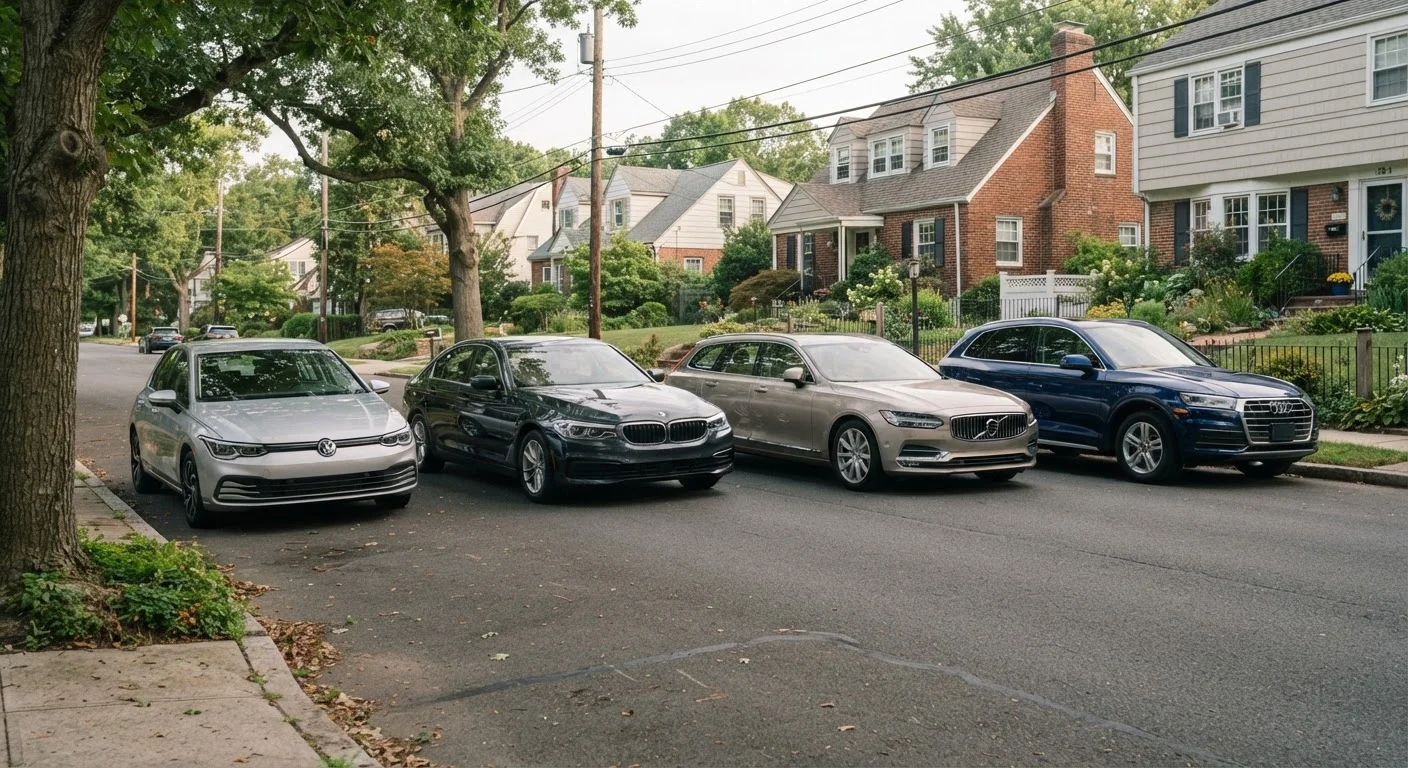
- Hatchback: A compact, two- or four-door car with a rear tailgate that opens upward. Boot space is modest but flexible. Easy to park in tight urban spots.
- Saloon (Sedan): A three-box design with a separate, enclosed trunk. Generally quieter inside at highway speeds and visually streamlined, but trunk access is less versatile than a hatchback.
- Estate (Wagon/Station Wagon): Essentially an extended hatchback with a long roofline carried to the rear. Cargo capacity is substantially larger, making it a practical choice for families or anyone who regularly hauls bulky items.
- SUV/Crossover: Elevated seating position, higher roofline, and available all-wheel drive. The crossover variant sits on a car-like platform, offering the SUV look without the fuel penalty of a truck-based body-on-frame SUV.
- Minivan/MPV: Prioritises interior volume and people-carrying above all else. Sliding rear doors and flat-folding seats make it uniquely practical for larger families.
- Pickup Truck: An open cargo bed behind a cab. Genuinely useful for towing and hauling heavy loads, but daily urban driving can be cumbersome due to overall length.
Don't Overlook the Estate Option
The estate (station wagon) remains one of the most underrated body styles in the US market. It offers near-SUV cargo capacity, a lower ride height that makes loading easier, better fuel economy than most crossovers, and a handling dynamic closer to a saloon. If an SUV appeals mainly for its space, an estate is worth a dedicated test drive before committing.
Step-by-Step: Matching Body Style to Your Actual Life
Audit your weekly driving patterns
Log a typical week: how many miles do you drive daily, what mix of city, suburban, and highway roads do you use, and how frequently do you park in tight multi-story carparks? Short urban commutes with limited parking favour compact hatchbacks. Frequent motorway miles with a family aboard push toward estates or larger crossovers where interior noise and comfort matter more.
Define your minimum passenger and cargo requirements
Count the realistic maximum number of adults you'll regularly carry, not just theoretically. Then think about cargo: do you haul a weekly grocery shop, a dog crate, sports gear, or a child's pushchair? Measure those items if possible. Compare those measurements against published boot volume figures (look for both seats-up and seats-folded numbers), keeping in mind that boot shape affects usability as much as raw litres.
Assess your towing or hauling needs honestly
If you tow a trailer, boat, or caravan, identify the maximum weight you'll ever realistically tow and confirm which body styles are available with the necessary towing ratings. Pickup trucks and body-on-frame SUVs carry the highest rated capacities, but estates and crossovers can handle moderate towing loads for the majority of leisure users.
Consider storage and parking at home
Measure your garage opening width and depth before test-driving large SUVs or pickup trucks. A vehicle that doesn't fit your garage, or that overhangs your driveway, creates daily friction that accumulates quickly. Narrower body styles - hatchbacks, saloons - are easier to manoeuvre in older suburbs where roads and parking bays were designed for smaller vehicles.
Test-drive at least two contrasting body styles back-to-back
Reading specifications only tells part of the story. Book test drives for at least two different body styles - ideally on roads similar to your typical commute. Pay attention to outward visibility (particularly over the shoulder), ease of entry and exit for all regular passengers, and how naturally the driving position fits you. Drive the same route in each so comparisons are fair.
Weigh total ownership costs by body style
Insurance groups, fuel consumption, tyre sizes, and servicing costs can vary significantly between body styles even within the same model family. Request insurance quotes for your shortlisted body styles before deciding. Larger, heavier vehicles generally cost more to fuel and insure. Factor these ongoing expenses into your budget alongside the purchase price.
After working through these steps, you'll have a shortlist grounded in real evidence rather than impulse. Before you finalise any purchase, it's worth reading our piece on decoding car ad language so marketing phrases don't cloud an otherwise clear decision.
Common Mismatches and How to Avoid Them
Several patterns recur when buyers end up with the wrong body style:
- Buying an SUV for 'road presence' but mostly driving urban routes: A large SUV is harder to park, consumes more fuel per mile in stop-start traffic, and rarely uses its off-road or towing capability. A crossover or estate may deliver the same visual impression with fewer daily compromises.
- Choosing a sporty saloon but needing regular boot access: A saloon's enclosed trunk makes loading pushchairs, flat-pack furniture, or sports equipment genuinely awkward. An estate or hatchback of similar size typically handles this with far less effort.
- Picking a minivan prematurely: If your family is complete and children are approaching driving age, a minivan's peak utility window may already be closing. An estate or large crossover might serve the next decade better.
If you're also weighing an electric or hybrid variant in your chosen body style, our detailed look at electric versus petrol ownership covers the practical day-to-day differences in charging, range, and running costs.
Trends Can Distort Your Judgement
SUV and crossover sales have surged over the past decade, which can create the impression that other body styles are inferior or outdated. They are not. A hatchback, estate, or saloon may suit your actual daily needs significantly better. Make the decision based on your measured requirements, not on what happens to be popular in your neighbourhood this season.
The content on this site is provided for informational purposes only and should not be considered a substitute for professional advice. While we strive to provide accurate and up-to-date information, we make no guarantees regarding its completeness or accuracy. Always consult a qualified professional for advice specific to your circumstances before making any decisions.