

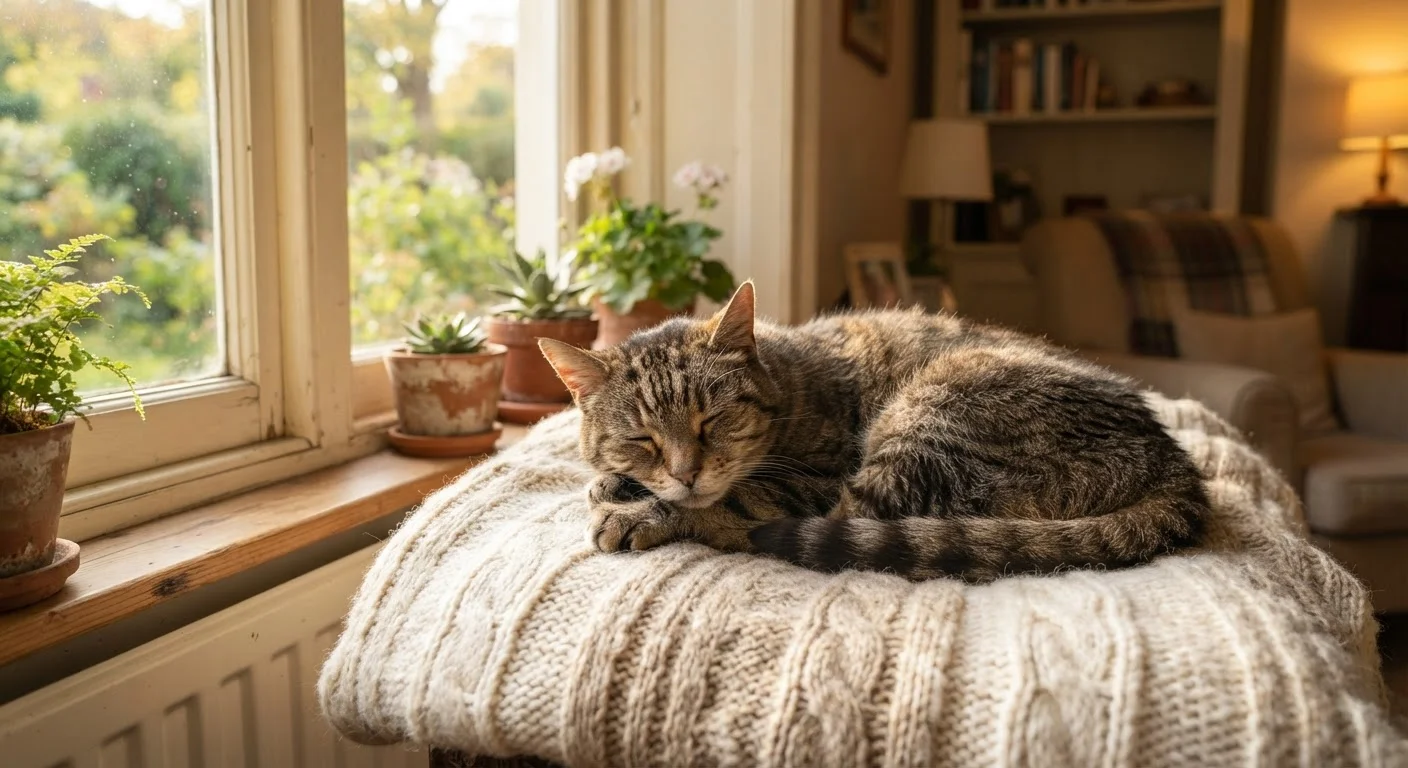
Why Ten Is a Turning Point for Cats
Most veterinary guidelines classify cats as senior starting around age ten and geriatric from roughly age fifteen onward. That distinction matters because a ten-year-old cat is not simply an older version of its younger self - organ function shifts, metabolism slows, and the immune system becomes less efficient. Many owners don't notice these changes immediately, which is precisely what makes proactive care so important at this stage.
Understanding how a cat's needs evolve after ten allows owners to catch problems early and adapt the home environment thoughtfully. The seven areas below represent the most clinically and behaviorally significant shifts veterinary and feline behavior experts consistently highlight for this life stage.
Schedule twice-yearly veterinary wellness exams
Annual exams that served a younger cat well are no longer sufficient after age ten. Veterinarians generally recommend biannual wellness visits for senior cats because conditions like hyperthyroidism, chronic kidney disease, hypertension, and diabetes can progress rapidly - and often without obvious outward symptoms in early stages.
A senior wellness panel typically includes bloodwork, urinalysis, blood pressure measurement, and a thorough physical examination. Catching elevated kidney values or thyroid irregularities early gives owners and vets significantly more options for managing the condition effectively.
Twice-yearly exams give vets the chance to catch silent age-related conditions before they escalate.
Transition to a senior-appropriate diet
Nutritional needs shift meaningfully after ten. Many senior cats struggle to digest and absorb protein as efficiently as younger cats, making high-quality, highly digestible protein a priority rather than a luxury. Phosphorus restriction becomes relevant if kidney function is compromised - something only bloodwork can confirm.
Moisture intake is another key consideration. Older cats are more prone to dehydration and kidney stress, and wet food can meaningfully increase daily fluid intake. For a fuller breakdown of how food format affects feline health, see our comparison of wet and dry cat food. Always discuss any dietary transition with your veterinarian, particularly if your cat has a diagnosed condition.
High-quality protein and adequate moisture are the two most important nutritional priorities for cats over ten.
Adapt the home for reduced mobility
Arthritis is one of the most underdiagnosed conditions in senior cats. Studies suggest a significant majority of cats over twelve show radiographic evidence of joint changes, yet owners frequently interpret the resulting stiffness or reluctance to jump as simply "slowing down with age."
Practical home adaptations include: low-sided litter boxes that don't require high stepping, ramps or pet stairs to favorite resting spots, and food and water bowls placed at a comfortable height and location that doesn't require climbing. Heated orthopedic beds can ease joint discomfort, particularly in cooler climates or during winter months.
Arthritis is common and frequently missed - environmental modifications can significantly improve a senior cat's daily comfort.
Monitor litter box habits closely
Changes in litter box use - increased frequency, straining, avoiding the box, or blood in urine - are among the most informative early signals of age-related illness. Increased urination can indicate kidney disease, diabetes, or hyperthyroidism. Decreased urination or straining may signal a urinary blockage, which is a veterinary emergency in male cats.
Keeping the litter box in a quiet, easily accessible location matters more as cats age. Older cats may be less tolerant of disruption and more prone to anxiety-related elimination issues if the box is difficult to reach or situated in a high-traffic area.
Litter box changes in older cats are clinical signals, not behavioral quirks - they deserve prompt veterinary attention.
Maintain gentle, low-stress enrichment
Senior cats need mental stimulation, but the type and intensity should match their energy level. High-intensity play that demands rapid movement may aggravate joint pain; gentler, shorter sessions with wand toys, food puzzles, or even slow, calm window-watching opportunities are well-suited to older cats.
Cognitive decline - sometimes called feline cognitive dysfunction - can develop in geriatric cats, presenting as disorientation, altered sleep-wake cycles, or increased vocalization at night. Enrichment that engages the senses (scent, texture, mild novelty) can help maintain mental acuity. Our guide to environmental enrichment for indoor cats provides evidence-informed strategies applicable to lower-energy senior cats.
Short, low-intensity enrichment sessions support a senior cat's mental health without overstraining aging joints.
Watch for dental disease and oral pain
Dental disease is extremely prevalent in cats over ten and is a frequent source of chronic pain that often goes undetected. Cats rarely stop eating entirely due to dental pain - instead, they may eat more slowly, drop food, favor one side of the mouth, or show subtle facial tension. Because cats instinctively mask discomfort, owners may not recognize these signs without knowing what to look for.
Routine dental exams and, when appropriate, professional dental cleanings under anesthesia can significantly improve a senior cat's quality of life. Discuss anesthesia concerns with your veterinarian - modern protocols account for age-related risk, and untreated oral pain generally carries greater health consequences than appropriately managed anesthetic procedures.
Cats rarely show obvious dental pain - subtle eating changes in older cats often point to an oral health issue.
Track weight and body condition consistently
Weight changes in either direction are significant in senior cats. Weight loss - even gradual - is one of the most common and clinically meaningful signs of underlying illness in older cats, often associated with hyperthyroidism, kidney disease, diabetes, or cancer. Weight gain, while less common in elderly cats, may indicate reduced activity or endocrine changes.
Weighing a cat at home monthly (using a kitchen or postal scale) and keeping a simple log gives owners and veterinarians a clearer picture of trends over time. A loss of even a few ounces per month, sustained over several months, warrants investigation. Body condition scoring - assessing rib coverage and overall fat distribution - is another practical tool your vet can demonstrate at a wellness visit.
Gradual weight loss is one of the most reliable early warning signs of serious illness in cats over ten.
Caring for Your Senior Cat: Practical Next Steps
The transition into a cat's senior years doesn't require an overhaul - it requires attention. Most of the adjustments that benefit a ten-plus cat are low-cost and logistical: moving food bowls, scheduling an extra vet visit, swapping out a litter box. The cumulative effect of these small changes on comfort and longevity can be substantial.
Keep a simple senior cat health log
A brief weekly note tracking your cat's weight, appetite, water intake, and litter box habits takes only a few minutes but creates an invaluable record for your veterinarian. Patterns that seem insignificant day-to-day often become clearly meaningful when viewed over weeks or months. Many veterinary practices welcome owners who arrive with this kind of documented history - it enables faster, more accurate assessment.
For owners navigating food choices specifically, the relationship between moisture content and kidney health is worth understanding in depth. See our guide to wet versus dry cat food for a detailed nutritional breakdown. And if your senior cat spends time outdoors, the risks and trade-offs shift considerably with age - our piece on indoor versus outdoor cat care covers the key considerations. Finally, for owners thinking about mental stimulation, our environmental enrichment guide for indoor cats offers strategies tailored to lower-energy cats.
This article is for general informational purposes only and is not a substitute for veterinary advice. Always consult a licensed veterinarian about your individual cat's health and care needs.
The content on this site is provided for informational purposes only and should not be considered a substitute for professional advice. While we strive to provide accurate and up-to-date information, we make no guarantees regarding its completeness or accuracy. Always consult a qualified professional for advice specific to your circumstances before making any decisions.