

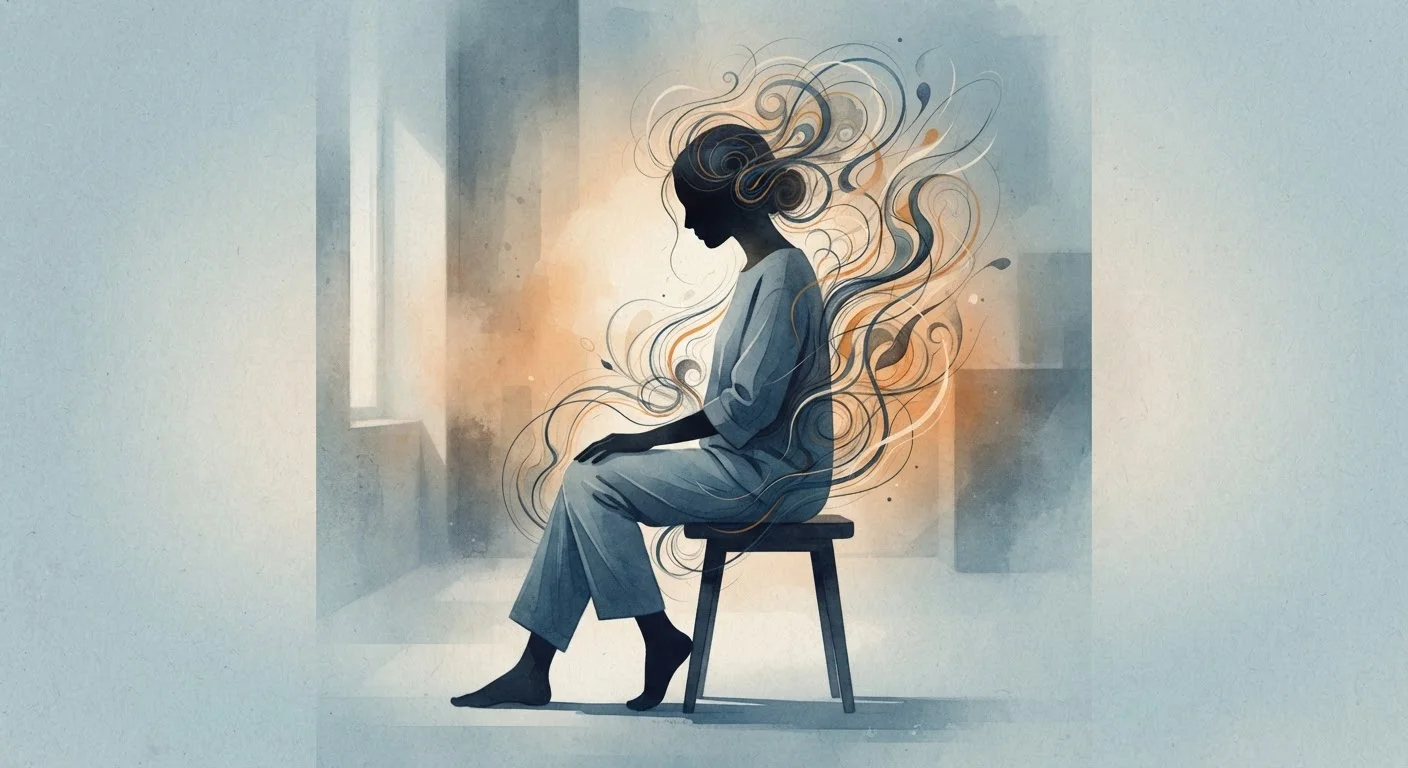
The Two Faces of Stress: Acute vs. Chronic
Not all stress is created equal. Acute stress is the immediate, short-lived jolt your body generates in response to a specific challenge - a tight deadline, a near-miss while driving, or a difficult conversation. Once the trigger passes, your physiology returns to baseline. This kind of stress can actually sharpen performance and focus temporarily.
Chronic stress is a different matter. It arises when demands - financial pressure, relationship conflict, caregiving responsibilities, or persistent work overload - continue without adequate recovery. The body's alert systems stay partially activated for days, weeks, or months. It is this prolonged state that researchers associate with the most significant health consequences.
Understanding which type of stress you're experiencing matters because the appropriate response differs. Acute stress often resolves on its own; chronic stress typically benefits from more deliberate intervention. If you're exploring ways to map your own patterns, a structured personal stress-response plan can be a useful starting point.
What Stress Does to the Body
The physical effects of the stress response are broad because the hormones involved - primarily cortisol and adrenaline - travel through the bloodstream and reach virtually every organ system.
77%
Adults who report physical symptoms from stress
According to the American Psychological Association's longstanding Stress in America survey series, a large majority of adults consistently report experiencing physical symptoms they attribute to stress.
2-3x
Increased cardiovascular risk with chronic stress
Research published in peer-reviewed cardiology literature indicates that individuals with chronic psychosocial stress face a meaningfully elevated risk of cardiovascular events compared to lower-stress peers.
40%
Adults report stress affects their sleep quality
The APA's Stress in America data consistently shows that roughly four in ten adults identify stress as a primary factor in sleep difficulties, creating a reinforcing cycle.
- Heart and circulation: Heart rate and blood pressure rise to pump more blood to muscles. Over time, chronically elevated blood pressure is a recognized risk factor for cardiovascular disease.
- Immune system: Short-term stress can briefly enhance immune readiness, but chronic stress suppresses immune function, potentially making the body slower to fight infection.
- Digestion: The gut is highly sensitive to stress hormones. Chronic stress is associated with symptoms such as nausea, altered bowel habits, and exacerbation of conditions like irritable bowel syndrome (IBS).
- Muscles and joints: Prolonged muscle tension - a classic stress response - can contribute to headaches, neck pain, and general physical fatigue.
- Hormones and metabolism: Sustained cortisol elevation can affect appetite regulation, blood sugar balance, and sleep architecture.
These effects rarely appear in isolation. Disrupted sleep, for instance, amplifies cortisol reactivity the next day, which is one reason sleep deprivation and mood are so tightly linked.
How Stress Shapes Thinking and Emotion
Stress doesn't only register in the body - it reshapes how the brain processes information and regulates emotion. When the stress response activates, neural resources shift toward threat detection and immediate reaction, often at the expense of higher-order thinking.
Common cognitive effects include:
- Working memory impairment: Under sustained stress, the prefrontal cortex - the brain region responsible for planning and rational decision-making - becomes less effective. This can make it harder to hold information in mind or think clearly under pressure.
- Heightened emotional reactivity: The amygdala, which processes fear and threat, becomes more easily triggered. Ordinary frustrations may feel disproportionately upsetting.
- Reduced concentration: A mind scanning constantly for threats has less capacity for sustained attention on a single task.
Over time, chronic stress can contribute to the development or worsening of anxiety and depression. It also intersects significantly with workplace exhaustion - if stress at work feels persistent and identity-altering, it may be worth understanding when ordinary work stress tips into burnout.
“The mind and body are not separate. What affects one affects the other. Stress is perhaps the clearest example of that connection we have in all of medicine.”
— Esther Sternberg, Integrative medicine researcher and author of 'Healing Spaces'
Building Awareness and Finding Support
Awareness of how stress manifests in your own body and behavior is the foundation of managing it more effectively. Signals vary by person - some notice physical tension first, others experience irritability, disrupted sleep, or a sense of mental fog before recognizing the underlying cause.
Several evidence-informed strategies are widely recommended by health professionals for supporting stress resilience, including regular physical movement, consistent sleep habits, and maintaining social connection. Research suggests that social connection meaningfully buffers the stress response - a reminder that wellbeing is rarely a purely individual project.
Practices like mindfulness and meditation have also been studied in the context of stress regulation, with promising findings around their effects on cortisol and emotional reactivity, though individual results vary.
Recognize Your Personal Stress Signals
Before focusing on management strategies, spend a few days simply noticing where stress appears in your body and behavior first. Common early signals include jaw tension, shallow breathing, irritability, or reaching for distraction. Identifying your pattern makes it easier to intervene earlier - before stress compounds.
This article is intended for general informational purposes only and does not constitute medical advice. If you are experiencing persistent or severe stress symptoms, please consult a qualified healthcare professional.
Frequently Asked Questions
Acute stress is a short-term response to an immediate challenge - it typically resolves once the situation passes. Chronic stress is prolonged exposure to ongoing demands or pressures that prevents the body from returning to a baseline state, which is where most health risks accumulate.
Sustained stress can suppress immune function, raise blood pressure, and contribute to inflammation - all of which may increase susceptibility to illness. Chronic stress is associated with higher risk for cardiovascular disease, digestive problems, and other conditions, though individual responses vary considerably.
Stress can impair concentration, disrupt sleep, heighten emotional reactivity, and over time contribute to anxiety and depression. The relationship is bidirectional: poor mental health can also amplify perceived stress.
Yes - low to moderate acute stress, sometimes called eustress, can sharpen focus, boost motivation, and enhance short-term performance. The key distinction is whether the response is proportionate and temporary.
If stress is persistent, interfering with daily functioning, relationships, or sleep, or if you notice symptoms of anxiety or depression, consulting a qualified healthcare professional is strongly recommended. This article is general information and not a substitute for personal medical guidance.
Yes. Elevated cortisol levels associated with stress can delay sleep onset and reduce sleep quality. Poor sleep, in turn, can heighten stress sensitivity - creating a reinforcing cycle. See related content on sleep and mood for more detail.
The content on this site is provided for informational purposes only and should not be considered a substitute for professional advice. While we strive to provide accurate and up-to-date information, we make no guarantees regarding its completeness or accuracy. Always consult a qualified professional for advice specific to your circumstances before making any decisions.