

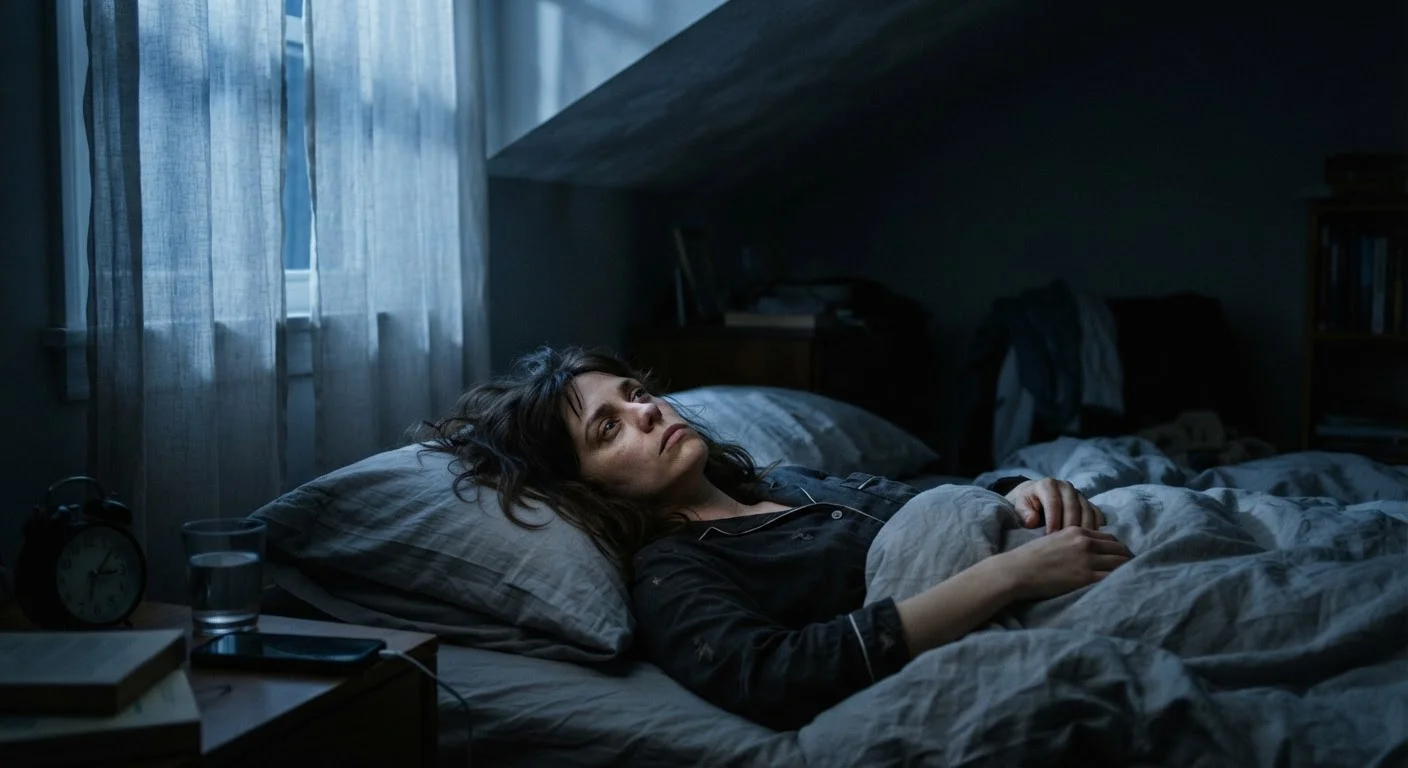
What Happens in the Brain During Sleep
Sleep is not a passive state. While the body rests, the brain cycles through distinct stages - including slow-wave deep sleep and rapid eye movement (REM) sleep - performing critical maintenance work. Among the most important functions is emotional memory processing. During REM sleep in particular, the brain replays emotionally charged experiences, helping to integrate them in a way that reduces their raw emotional intensity over time.
This nightly processing is coordinated by a network involving the amygdala (which flags emotional significance) and the prefrontal cortex (which applies reasoning and context). When sleep is adequate, these regions work in balance. When sleep is cut short, that balance breaks down - and the emotional consequences follow quickly.
Understanding this helps explain why sleep sits at the intersection of physical health and emotional wellbeing, and why it's addressed in discussions of habits that quietly undermine mental health.
The Amygdala Effect: Why Small Stressors Feel Bigger
One of the clearest findings in sleep research is the outsized response the amygdala shows after insufficient rest. Studies using functional neuroimaging have found that sleep-deprived participants show significantly stronger amygdala activation in response to negative images or stressful stimuli compared with well-rested individuals.
Critically, the prefrontal cortex - which normally modulates that response - becomes less effective at doing its job. The result is a kind of emotional amplification: minor frustrations feel more overwhelming, neutral social cues read as threatening, and the ability to step back and reframe a situation diminishes.
~30%
U.S. adults sleeping fewer than 7 hours nightly
According to CDC surveillance data, roughly 1 in 3 American adults regularly gets less sleep than public health guidelines recommend.
60%+
Increased amygdala reactivity after one night of poor sleep
A widely cited neuroimaging study found amygdala response to negative stimuli was significantly amplified following sleep deprivation compared to a rested baseline.
2x
Greater risk of mood disorder with chronic short sleep
Epidemiological research consistently shows people who sleep fewer than six hours are at substantially elevated risk for depression and anxiety disorders.
This mechanism also interacts with the body's stress response system. Sleep loss elevates cortisol levels, the primary stress hormone, which further sensitizes threat-detection pathways. It's a reinforcing loop that mirrors what chronic stress does to the body and mind more broadly.
Neurotransmitters, Mood Chemicals, and Rest
Sleep deprivation also disrupts the neurochemical environment that supports stable mood. Serotonin, dopamine, and norepinephrine - neurotransmitters closely tied to emotional regulation, motivation, and reward - are all affected by sleep quality and duration.
Research suggests that inadequate sleep reduces serotonin receptor sensitivity and impairs dopaminergic reward signaling. In practical terms, this can manifest as blunted positive emotion: things that would normally feel enjoyable or satisfying feel flat. This phenomenon, sometimes called anhedonia, is also a hallmark feature of clinical depression - which is one reason sleep disruption and mood disorders are so closely linked.
Supporting Mood Through Consistent Sleep Timing
Going to sleep and waking at consistent times - even on weekends - helps stabilize the circadian rhythm that governs both sleep quality and mood-related neurochemistry. Irregular schedules can disrupt this rhythm even when total sleep duration appears adequate. Small, consistent habits often matter more than occasional long sleep sessions.
Interestingly, the social dimension of mood is also affected. Sleep-deprived individuals tend to withdraw socially and find social interactions more effortful, which can reduce access to one of the most reliable buffers for emotional difficulty: human connection. For more on that relationship, see how social connection supports emotional wellbeing.
The Bidirectional Cycle: How Mood Disrupts Sleep in Return
What makes the sleep-mood relationship particularly challenging is that it runs in both directions. Poor sleep degrades emotional regulation - but emotional distress, anxiety, and low mood reliably worsen sleep quality. Racing thoughts, heightened arousal, and worry-driven wakefulness all fragment sleep architecture, reducing time spent in restorative stages.
This creates a self-reinforcing cycle that can be difficult to interrupt without deliberate attention. Recognizing the cycle exists is an important first step, because it helps explain why mood doesn't simply improve once a person catches up on rest - chronic patterns may require broader behavioral or professional support.
If persistent mood disturbances or ongoing sleep difficulties are affecting daily functioning, speaking with a qualified healthcare professional is strongly advisable. This article provides general educational information and is not a substitute for personalized medical or psychological care.
This article is for informational purposes only and is not medical advice. Always consult a qualified healthcare professional for concerns about your sleep, mood, or mental health.
Frequently Asked Questions
Mood changes can appear after just one night of insufficient sleep. Research shows increased irritability, reduced positive affect, and heightened emotional reactivity even with a single night of disrupted rest.
Poor sleep increases activity in the amygdala - the brain's threat-response center - while weakening the prefrontal cortex's ability to calm it. This combination makes uncertain or stressful situations feel more threatening than they would after adequate rest.
Recovery sleep can restore some emotional balance, though the relationship isn't perfectly linear. Consistently prioritizing sleep is more effective than occasional catch-up nights, which may not fully reverse emotional impairments from chronic short sleep.
Research consistently shows a bidirectional relationship: poor sleep can worsen depressive symptoms, and depression often disrupts sleep. If mood disturbances and sleep problems are ongoing, speaking with a qualified healthcare professional is strongly recommended.
Most public health guidance, including from bodies like the CDC, recommends seven to nine hours for adults. Individual needs vary, and quality of sleep matters alongside duration. This is general information - consult a professional for personalized guidance.
The content on this site is provided for informational purposes only and should not be considered a substitute for professional advice. While we strive to provide accurate and up-to-date information, we make no guarantees regarding its completeness or accuracy. Always consult a qualified professional for advice specific to your circumstances before making any decisions.