

Our Verdict
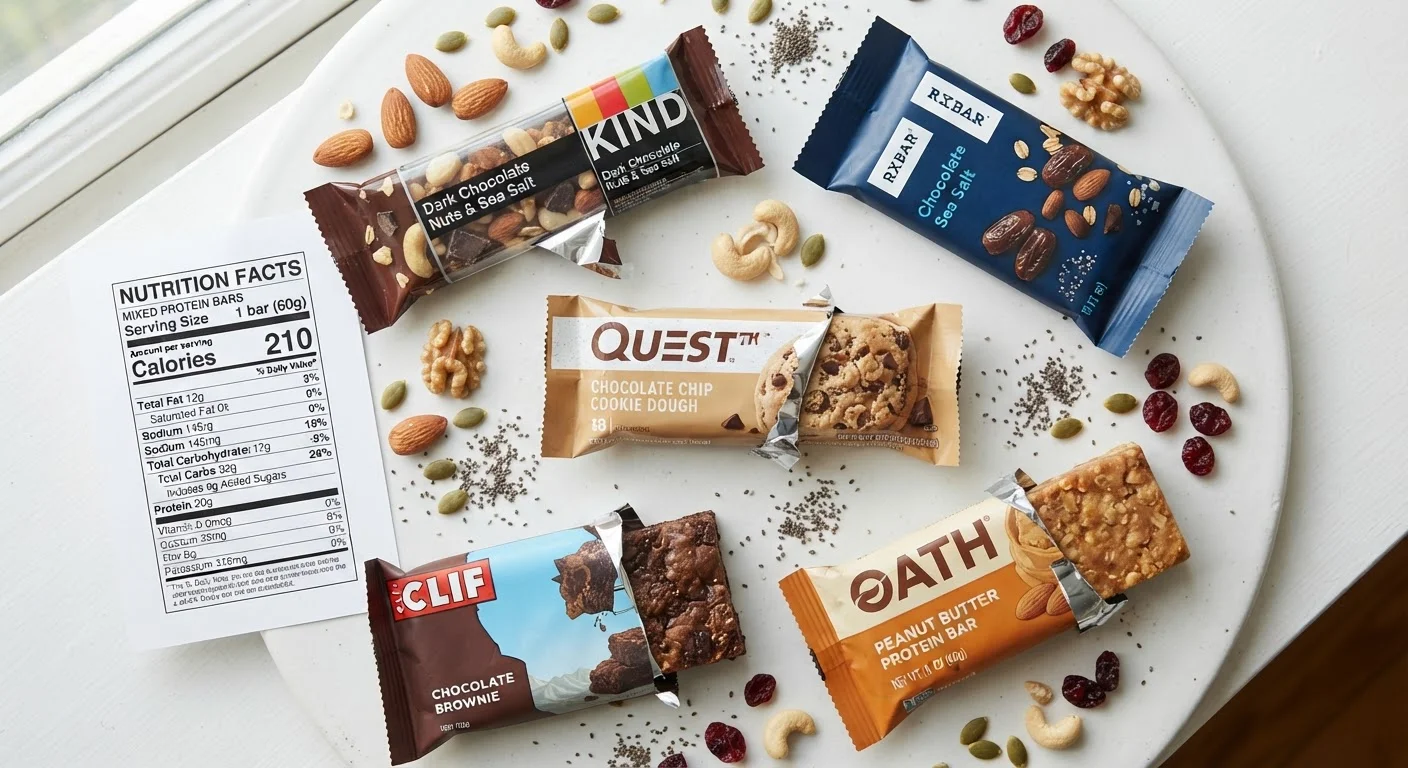
Protein bars occupy a genuine niche for people who need portable, protein-forward fuel and can't access a meal. The better options deliver meaningful protein from quality sources, keep added sugar low, and list recognizable ingredients. The weaker options lean on sugar alcohols, cheap fillers, and marketing claims that oversell their nutritional value.
Protein bars are most useful for active individuals, busy commuters, or anyone who regularly struggles to hit protein goals through whole foods alone - not as a daily staple, but as a practical backup.
Why the Protein Source Is the Starting Point
The grams of protein printed on the front of a bar tell you very little by themselves. What matters is where that protein comes from, because different sources have meaningfully different amino acid profiles and digestibility rates.
Whey protein concentrate and whey protein isolate are the most common animal-derived options. Isolate is more processed but contains less lactose and a higher protein percentage by weight - a relevant distinction for people who are lactose-sensitive. Casein digests more slowly and is sometimes favored for satiety. Among plant-based proteins, soy is the only source that qualifies as a complete protein on its own, meaning it contains all nine essential amino acids in adequate amounts. Pea protein has become a common plant-based alternative, though it is lower in methionine and pairs well with rice protein to cover that gap. For a deeper look at how plant proteins stack up against one another, see our guide to plant-based protein sources.
Collagen peptides, despite their popularity, are not a high-quality protein source for muscle support - they are missing tryptophan entirely and score poorly on standard protein quality metrics. A bar that leads with collagen as its primary protein source is worth scrutinizing carefully.
What the Sugar and Sweetener Picture Actually Looks Like
Sugar content is one of the most useful filters when evaluating a protein bar. Many bars that market themselves as health foods contain 20 or more grams of added sugar - putting them squarely in candy-bar territory. A reasonable threshold for a bar that's meant to function as a nutritional supplement or meal bridge is under 8 grams of added sugar, though lower is generally better.
≥20g
Added sugar found in some popular protein bars
Several widely sold protein bars contain added sugar levels comparable to standard candy bars, based on published nutrition data from manufacturer labels.
10-15g
Sugar alcohol threshold linked to GI symptoms
Nutrition research generally associates sugar alcohol intake above this range with increased risk of gastrointestinal side effects in sensitive individuals.
Bars that achieve low sugar counts often rely on sugar alcohols - erythritol, maltitol, xylitol - or non-nutritive sweeteners like stevia or sucralose. Sugar alcohols are generally recognized as safe but can cause bloating, gas, and loose stools in some people, especially in quantities above 10-15 grams. Maltitol in particular raises blood glucose more than other sugar alcohols and is sometimes misleadingly treated as calorie-free. Reading the nutrition facts panel carefully - including the "added sugars" line - is essential here. If you want a systematic walkthrough of how to read those labels, our nutrition label guide breaks it down section by section.
The Pros of a Well-Formulated Protein Bar
When a protein bar is genuinely well-made, it earns its place in a practical eating routine.
Portable, shelf-stable protein with no prep required
Protein bars require no refrigeration, cooking, or equipment - making them one of the few high-protein options that work reliably in a car, bag, or desk drawer.
Predictable macronutrient counts support tracking
Unlike a meal assembled on the fly, a packaged bar offers a fixed, labeled nutritional profile that makes it easier to hit protein targets consistently.
Can bridge gaps between meals for satiety
A bar with adequate protein and fiber can blunt hunger between meals, which may reduce the likelihood of reaching for less nutritious options when pressed for time.
Plant-based options now offer complete amino acid coverage
Bars combining pea, rice, and soy proteins can deliver a complete amino acid profile, making them a viable option for people avoiding animal products.
Useful post-exercise when whole food isn't immediately available
Consuming protein within a reasonable window after resistance training supports muscle protein synthesis; a bar is a practical vehicle when a meal isn't accessible.
The key is treating the ingredient list as the primary document, not the front-panel marketing copy. Ingredients are listed by weight in descending order - so if a whole protein source, nuts, or oats appears first, that's a constructive signal. If sugar or a syrup appears in the top three, recalibrate expectations accordingly. The same analytical approach applies to any packaged snack; evaluating a snack food before you commit covers that broader checklist in detail.
The Cons and Limitations Worth Knowing
Protein bars carry a set of recurring drawbacks that are worth weighing honestly, regardless of how compelling the packaging looks.
Many bars contain high added sugar levels
Numerous mainstream protein bars contain 15-25 grams of added sugar, which undermines any nutritional advantage the protein content provides.
Sugar alcohols can cause digestive discomfort
Maltitol and other sugar alcohols used to lower sugar counts are poorly absorbed in the gut and can cause bloating, cramping, or diarrhea in sensitive individuals.
Expensive relative to whole-food protein sources
A single bar can cost $2-$4 or more, making it a significantly pricier protein source than eggs, canned fish, or legumes on a per-gram basis.
Front-panel protein claims can mislead shoppers
A bar advertising '20g of protein' may source that protein from collagen or a low-quality blend - claims that sound strong but don't reflect usable nutritional value.
Long ingredient lists can obscure poor formulation
Highly processed bars often contain numerous binders, artificial flavors, and emulsifiers that may not align with a whole-food dietary approach.
Not a substitute for a balanced meal
Even a high-quality bar lacks the micronutrient diversity, fiber variety, and phytonutrients present in a meal built from vegetables, whole grains, and fresh protein sources.
Protein Bars Are Not Regulated as Medicine
Protein bars are classified as conventional foods or dietary supplements, not drugs, which means health claims on packaging are not pre-approved by the FDA. The agency does require that nutrient content claims meet defined standards, but language like 'supports muscle recovery' or 'fuels performance' is considered a structure/function claim and is not independently verified before it appears on a label. Treat those phrases as marketing, not clinical endorsements.
The broader takeaway is that protein bars are a tool, not a food category with inherent health status. A bar that fits your protein and calorie needs, uses ingredients you recognize, and doesn't wreck your digestion is a reasonable choice. One that's essentially a chocolate nougat bar with a high protein claim printed on the label isn't doing you nutritional favors, even if it satisfies a craving.
The content on this site is provided for informational purposes only and should not be considered a substitute for professional advice. While we strive to provide accurate and up-to-date information, we make no guarantees regarding its completeness or accuracy. Always consult a qualified professional for advice specific to your circumstances before making any decisions.