

Our Verdict
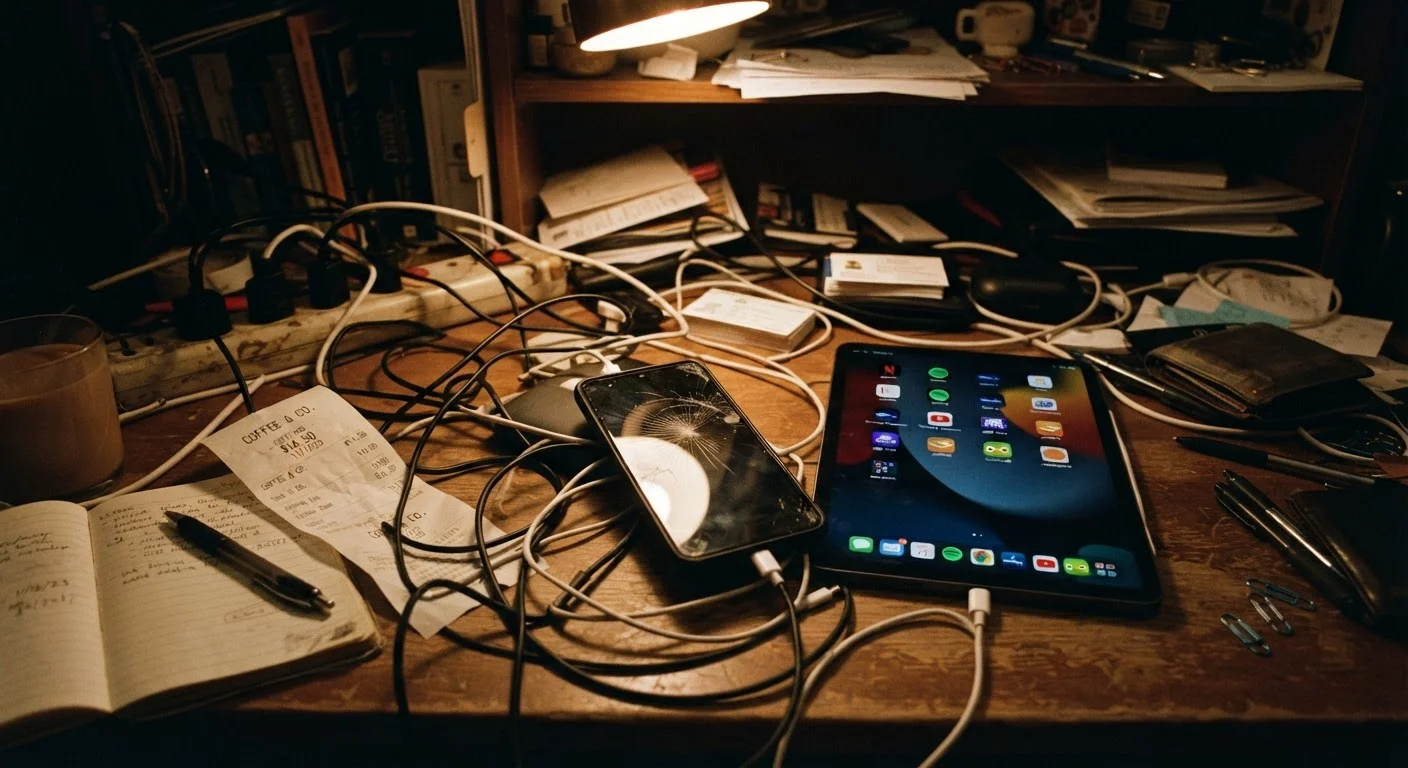
Smartphones deliver genuine value, but the sticker price rarely tells the full financial story. When you factor in accessories, repairs, subscriptions, data plans, and storage upgrades, the two-year cost of a device can be two to three times its retail price. Going in with a realistic picture of recurring costs puts you in a much stronger position to budget and avoid surprises.
Readers who are preparing to buy a new phone, evaluating an upgrade, or trying to get a handle on what their current device is actually costing them annually.
Why the Sticker Price Is Just the Beginning
Walk into any store or browse any carrier website and you'll see the phone's retail or monthly installment price displayed prominently. What you won't see is the column of costs that starts accumulating the day you activate the device. For many owners, the ongoing expenses of owning a smartphone outpace the hardware cost within 18 to 24 months.
This isn't a criticism of smartphones - they're arguably the most useful tool most people carry. But approaching a purchase with only the upfront price in mind is a bit like buying a printer and forgetting that ink exists. If you're new to smartphone ownership, this guide covers the essential setup decisions that also have cost implications. For everyone else, read on.
Smartphones consolidate many devices into one
A single smartphone replaces a camera, GPS navigator, music player, and portable computer for most everyday tasks, which means the true cost comparison should account for devices you no longer need to buy.
Financing spreads hardware cost over time
Monthly installment plans through carriers or manufacturers make high-priced hardware accessible without a large upfront payment, though the total paid is the same or sometimes higher than the retail price.
Trade-in programs can offset upgrade costs
Manufacturer and carrier trade-in programs return some residual value from older devices, reducing the effective cost of a new phone - though valuations vary and require the device to be in good condition.
Many essential apps and services are free
Navigation, messaging, video calling, and most basic productivity tools are available at no cost, which can limit subscription spend for users who are selective about premium services.
The Recurring Costs That Quietly Stack Up
The most significant ongoing expense for most owners isn't a one-time purchase - it's the bundle of subscriptions, plan fees, and cloud services charged monthly or annually.
Mobile Data Plans
Unlimited data plans sound straightforward, but premium tiers with faster speeds, international roaming, or hotspot access cost noticeably more than base-level plans. Carrier pricing structures frequently change, and promotional rates often expire after 12 months, leaving users on higher standard pricing.
Cloud Storage
Smartphones ship with a modest amount of free cloud backup storage - typically 5 GB to 15 GB - which fills up quickly once photos, app data, and device backups are factored in. Most users end up paying for a higher storage tier within the first year. Multiply that monthly fee over a two-year device cycle and it becomes a meaningful line item. For more on what actually gets backed up (and what doesn't), see this breakdown of cloud backup coverage.
App Subscriptions
Music, streaming video, cloud productivity tools, antivirus, and fitness apps are all commonly linked to a phone. Because each subscription feels small in isolation, the combined monthly total often surprises owners when they audit their billing statements.
2-3×
Estimated total cost vs. retail price over two years
Industry analysts have consistently noted that the two-year total cost of smartphone ownership - including service plans, accessories, and apps - can be two to three times the device's retail price.
5 GB
Typical free cloud storage included with a new device
Most platform providers offer only 5 GB to 15 GB of complimentary cloud backup storage, a threshold that the average user exceeds within the first year of ownership.
One-Time Costs You Can Still Plan For
Unlike subscriptions, some costs hit once - but they're predictable enough to budget for in advance.
Accessories
A protective case, screen protector, charging cable compatible with your new port standard, and perhaps a wireless charger can add $50 to $150 to the immediate cost of ownership. These aren't optional luxuries for most people - a cracked screen or flat battery mid-day has real consequences.
Repairs
Screen replacements are the most common out-of-pocket repair expense for smartphone owners. Depending on the device, a professional screen repair can range from modest to very expensive. Extended warranty or device protection plans spread this risk but add a monthly cost of their own.
Depreciation and Upgrade Cycles
Smartphones lose resale value quickly, particularly in the first year. Owners who trade in or sell their devices to fund upgrades often find the return lower than expected. Understanding depreciation - a concept explored in more depth for vehicle buyers in this piece on how depreciation shapes purchases - applies equally to consumer electronics.
Subscriptions accumulate silently over time
App subscriptions are easy to forget about and difficult to track across multiple billing platforms. Users who don't audit regularly often pay for services they no longer actively use.
Repairs are expensive and often unavoidable
Screen damage is among the most common smartphone mishaps, and out-of-pocket repair costs can be substantial depending on the device. Without a protection plan, a single drop can represent a major unplanned expense.
Cloud storage fees affect nearly all users
Default free storage tiers fill quickly with photos and backups, pushing most users into paid plans. This small recurring cost compounds significantly across a multi-year ownership period.
Data plan costs are difficult to reduce once set
Switching carriers or downgrading plans mid-contract may involve fees or loss of promotional pricing. Users often feel locked into a tier that made sense at signup but may no longer match their actual usage.
Accessory ecosystem spending is easy to underestimate
Cases, chargers, screen protectors, and earbuds represent meaningful upfront costs, and compatibility changes with each new device generation can make previously purchased accessories obsolete.
What You Can Do About It
Awareness is the most practical first step. Before committing to a new device, consider calculating a rough 24-month total: hardware cost plus plan fees plus likely accessories plus one storage tier upgrade plus a repair contingency. That number is your real budget threshold.
If you already own a phone and want to reduce costs without upgrading, performance and storage improvements are often possible without spending much. Practical steps for extending your current phone's useful life can delay an upgrade cycle by a year or more, which significantly reduces annualized cost.
It's also worth periodically auditing your app subscriptions - many people continue paying for services they rarely use. A 15-minute review of your monthly billing statements can surface cancellable charges without any impact on day-to-day use.
Comparing Total Cost Across Device Types
The hidden-cost pattern isn't unique to smartphones. Computer and laptop ownership follows a similar structure of accessories, software subscriptions, and repairs layered on top of the hardware price. If you're evaluating how smartphones compare to other personal technology purchases, the real cost of owning a computer covers the same framework applied to PCs and laptops.
The content on this site is provided for informational purposes only and should not be considered a substitute for professional advice. While we strive to provide accurate and up-to-date information, we make no guarantees regarding its completeness or accuracy. Always consult a qualified professional for advice specific to your circumstances before making any decisions.