

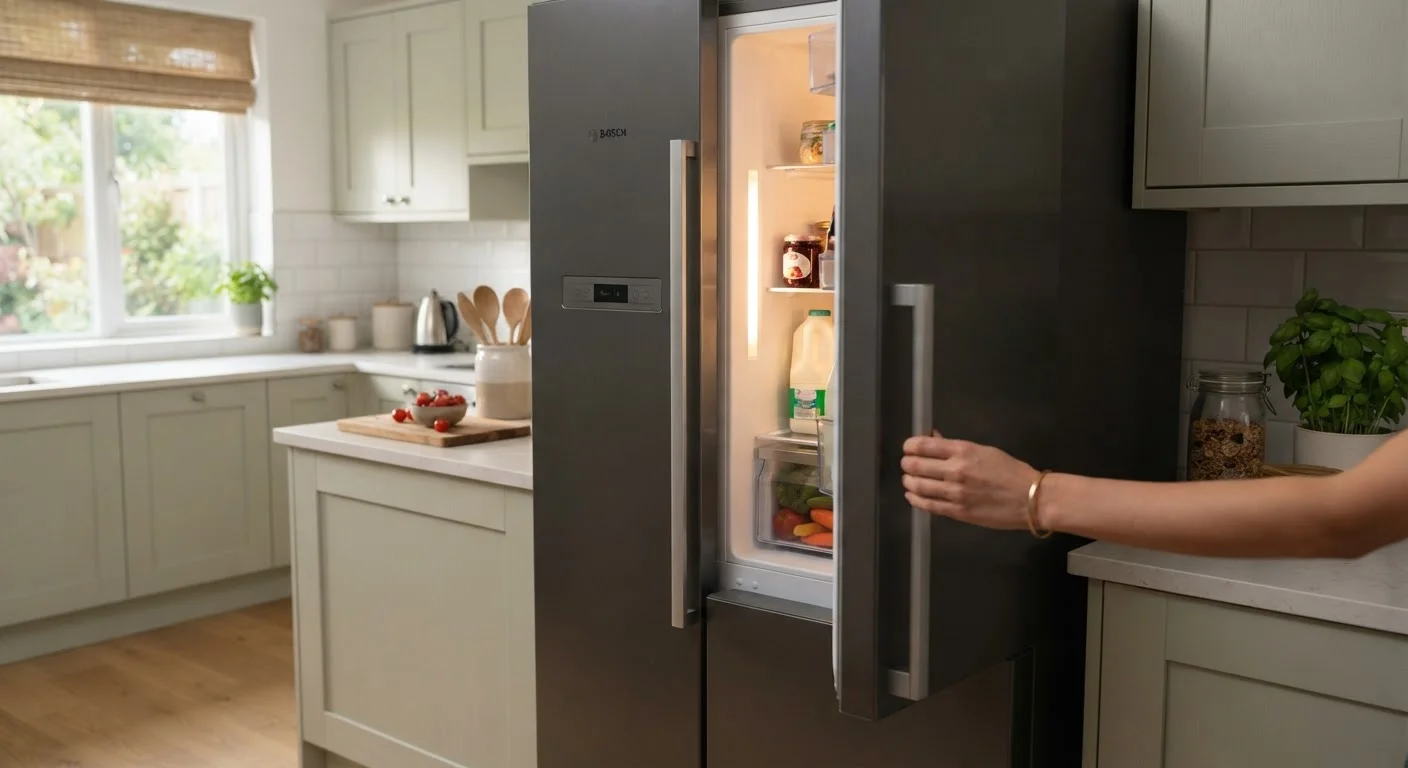
Why Your Fridge Strains More Than It Should
Your refrigerator runs around the clock, and most households give it little thought until something goes wrong. But the appliance doesn't need to malfunction to cost you money - it just needs to work harder than designed. When that happens quietly over months or years, the result is higher electricity bills, a shorter appliance lifespan, and food that doesn't stay as cold as it should.
The good news is that most causes of refrigerator overwork come down to a handful of fixable habits. Understanding them is the first step toward a more efficient kitchen. Much like consistent maintenance habits extend a computer's useful life, simple routines can do the same for your refrigerator.
Neglecting the condenser coils.
Why it happens: Condenser coils are tucked out of sight - usually at the back or underneath the unit - so most homeowners never think to clean them.
Putting hot or warm food directly into the refrigerator.
Why it happens: It feels efficient to refrigerate leftovers immediately, and many people worry about food sitting out too long - a reasonable concern that gets applied incorrectly.
Using a damaged or poorly sealing door gasket.
Why it happens: Gasket wear happens gradually, and a slightly loose seal doesn't feel obviously broken during daily use.
Overpacking or severely underpacking the refrigerator.
Why it happens: Both extremes seem harmless - one feels organized and well-stocked, the other just reflects an empty fridge before a grocery run.
Setting the temperature colder than necessary.
Why it happens: People often assume colder means safer and fresher, so they err toward the lowest possible setting.
Maintenance Gaps That Compound Over Time
Beyond the mistakes listed above, there are a few broader patterns worth understanding. First, refrigerators placed in warm spaces - like a garage in summer or next to an oven - must work against ambient heat constantly. The compressor cycles more frequently, wearing faster. Aim to keep the surrounding area reasonably cool and ensure at least two to three inches of clearance on all vented sides.
Second, water quality affects more than you might expect. If your refrigerator has an ice maker or water dispenser, hard water can deposit limescale inside the water lines over time. Hard water degrades appliances gradually, and refrigerators with integrated water systems are no exception. Periodic filter changes and occasional line inspections matter.
Finally, neglected maintenance adds up. Simple upkeep habits significantly extend appliance working life - and the refrigerator rewards consistent attention more than almost any other household appliance. Build a twice-yearly habit of checking coils, door seals, and temperature settings, and you'll likely notice the difference both in performance and on your energy bill.
Avoid DIY Repairs to Refrigerant Systems
If your refrigerator isn't cooling adequately despite addressing the common causes above, the issue may involve the refrigerant system - including the compressor, evaporator, or sealed lines. These components involve pressurized refrigerants regulated under federal law and should only be serviced by EPA-certified technicians. Attempting to access or recharge refrigerant without proper certification is illegal and potentially dangerous.
The content on this site is provided for informational purposes only and should not be considered a substitute for professional advice. While we strive to provide accurate and up-to-date information, we make no guarantees regarding its completeness or accuracy. Always consult a qualified professional for advice specific to your circumstances before making any decisions.