

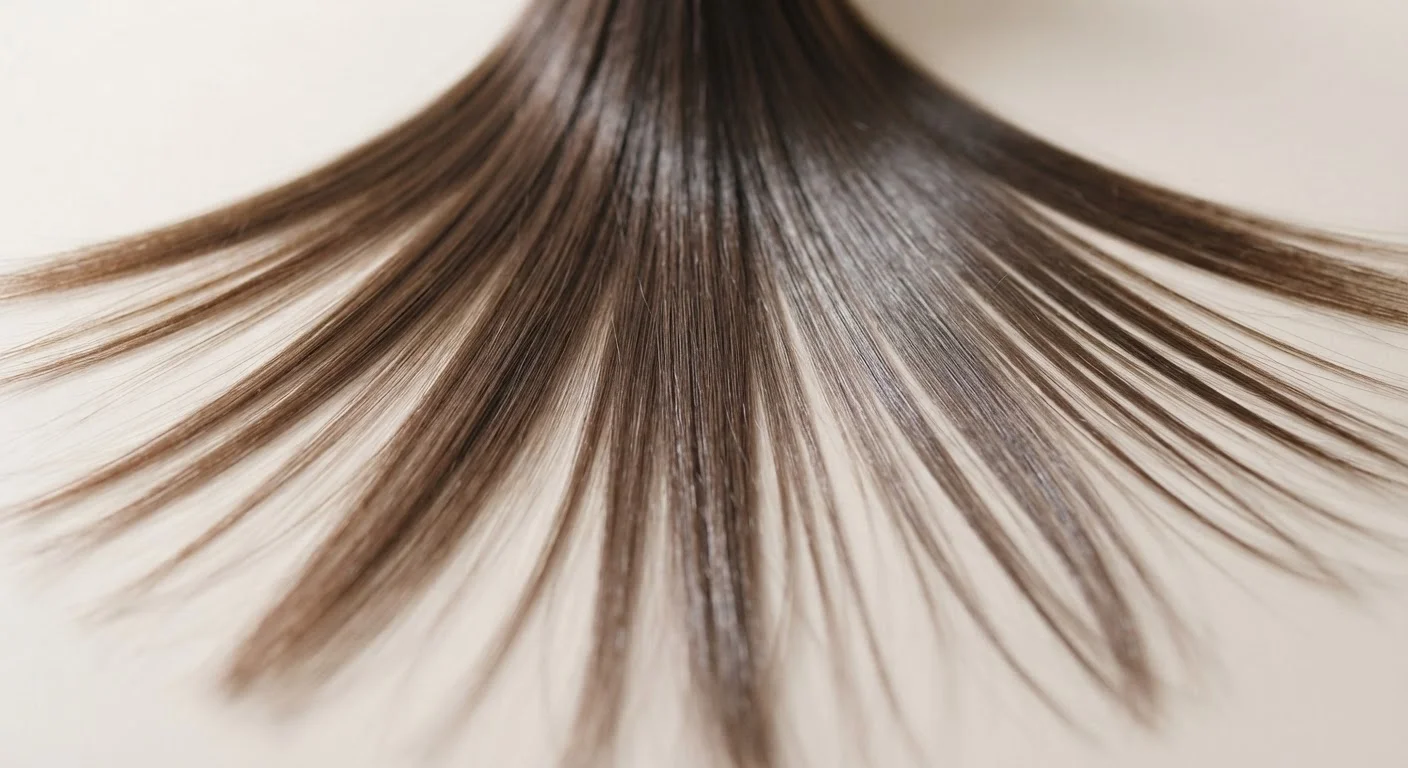
Why Hair Growth Myths Are So Persistent
Hair is deeply tied to identity and self-image, which makes it fertile ground for misinformation. Advice passed down through generations, amplified by product marketing, and repeated in popular culture can take on the weight of fact even when the evidence simply isn't there. Understanding a few basics about how hair actually grows - and what genuinely influences it - helps cut through the noise.
Hair grows in cycles. Each follicle moves through a growth phase (anagen, lasting two to seven years), a transitional phase (catagen), and a resting phase (telogen) before the hair sheds and a new cycle begins. The length your hair can ultimately reach is largely set by how long your anagen phase lasts - a trait that is mostly genetic. This is why some people seem to grow hair easily to great lengths while others plateau. It's also why many popular tips fall flat: they address the visible strand rather than the follicle driving growth.
If you find myth-busting useful, our editorial team has also examined skincare myths that keep circulating and common fitness misconceptions - many of the same patterns of faulty reasoning appear across wellness topics.
Myth
Trimming your hair makes it grow faster.
Fact
Hair growth originates at the follicle in the scalp - scissors never touch that process.
Hair grows from follicles beneath the scalp at an average rate of roughly half an inch per month, a pace determined by biology, not by what happens to the ends. Trimming removes split ends, which prevents breakage and helps hair appear longer and healthier over time - but it has no biological influence on the follicle's growth cycle. The confusion likely persists because people who trim regularly tend to retain more length due to reduced breakage, making it look as though cutting accelerated growth.
Myth
Brushing your hair 100 strokes a day stimulates growth and makes hair shinier.
Fact
Excessive brushing causes friction, breakage, and cuticle damage - the opposite of what healthy hair needs.
This advice traces back to pre-shampoo grooming eras when brushing distributed natural scalp oils down the hair shaft. Today, with frequent washing and conditioning products, that rationale largely doesn't apply. Over-brushing creates mechanical stress on the hair shaft, lifts and damages the protective cuticle layer, and can lead to increased shedding through traction. Gentle detangling with an appropriate brush or wide-tooth comb - used only as needed - is a more evidence-consistent approach.
Myth
Shampooing frequently causes hair loss.
Fact
Washing does not cause permanent hair loss; hairs released during washing were already in the shedding phase.
It's normal to shed between 50 and 100 hairs per day as part of the hair's natural growth cycle (anagen, catagen, telogen). When you wash your hair, hairs that have already detached from active growth simply become visible. Washing less frequently doesn't prevent those hairs from shedding - it only delays when you notice them. That said, harsh sulfate-heavy shampoos used excessively can dry out the scalp and weaken hair, so choosing a formula appropriate for your hair type still matters for overall hair condition.
Myth
Stress has no real effect on hair growth.
Fact
Significant physiological or psychological stress is a well-documented trigger for a type of temporary hair shedding called telogen effluvium.
Telogen effluvium occurs when a large number of follicles are pushed prematurely into the resting (telogen) phase, resulting in diffuse shedding weeks to months after a stressful event - illness, surgery, childbirth, or severe emotional stress. The shedding is typically temporary, with hair often returning to its normal cycle once the stressor resolves. This does not mean everyday stress causes noticeable hair loss, but the mind-body connection is real and documented in dermatological literature.
Myth
Natural or organic hair products will automatically make your hair grow longer.
Fact
No topical product - natural or synthetic - can override your genetic hair growth rate.
Marketing language around hair growth products often implies that certain ingredients will unlock faster or thicker growth. In reality, topical products primarily affect the hair shaft itself, which is already dead keratin. They can improve the condition, manageability, and appearance of hair - and some ingredients may support scalp health - but they cannot fundamentally alter the follicle's genetically programmed cycle. Minoxidil is one of the few topically applied compounds with clinical evidence for promoting hair retention, and it is a regulated medication, not a cosmetic ingredient.
Myth
Wearing hats causes baldness.
Fact
Everyday hat wearing does not cause hair loss or male-pattern baldness.
Male-pattern and female-pattern hair loss (androgenetic alopecia) are driven by genetic sensitivity to androgens, not by headwear. A hat would only contribute to hair damage in extreme scenarios - such as extremely tight headgear causing consistent traction alopecia over a long period. Casual, regular hat use poses no meaningful risk to follicle health. This myth may have spread partly because people notice hair on the inside of their hats, which is simply normal daily shedding.
What Actually Supports Healthy Hair Growth
While no routine can override genetics, several factors genuinely support the conditions your follicles need to function well. Nutritional adequacy is one of them - deficiencies in iron, zinc, biotin, and protein are associated with hair thinning, though supplementing these nutrients only helps if a deficiency is actually present. Over-supplementing without medical guidance is not recommended and in some cases may carry risks.
Sudden or Significant Hair Loss Warrants Medical Attention
Noticeable shedding, bald patches, or rapid thinning can signal underlying health conditions such as thyroid disorders, nutritional deficiencies, or alopecia areata. This article provides general educational information only - it is not medical advice. If you are experiencing significant hair loss, consult a qualified healthcare professional or dermatologist for a proper evaluation.
Scalp health is another legitimate consideration. A clean, well-circulated scalp with balanced sebum production creates a better environment for follicles. Chronic scalp inflammation, conditions like seborrheic dermatitis, and prolonged tension from tight hairstyles (traction alopecia) can all interfere with normal hair cycling. Gentle handling, appropriate cleansing, and managing any underlying scalp conditions are realistic steps - not miracle growth hacks, but meaningful maintenance. For guidance on broader wellness misconceptions, nutrition myths worth knowing about offers useful context on how evidence is often misread in health topics.
~0.5 in/mo
Average human hair growth rate
Research consistently places average scalp hair growth at approximately half an inch (1.25 cm) per month, varying by individual genetics and health.
50-100
Hairs shed per day (normal range)
Dermatologists generally consider losing up to 100 hairs daily to be within the normal range of the hair's natural growth and shedding cycle.
2-7 years
Duration of hair's active growth phase
The anagen (active growth) phase of the hair cycle varies widely between individuals and is the primary genetic determinant of maximum hair length.
This article is for informational purposes only and does not constitute medical advice. If you are experiencing hair loss or scalp concerns, please consult a qualified healthcare professional or dermatologist.
The content on this site is provided for informational purposes only and should not be considered a substitute for professional advice. While we strive to provide accurate and up-to-date information, we make no guarantees regarding its completeness or accuracy. Always consult a qualified professional for advice specific to your circumstances before making any decisions.