

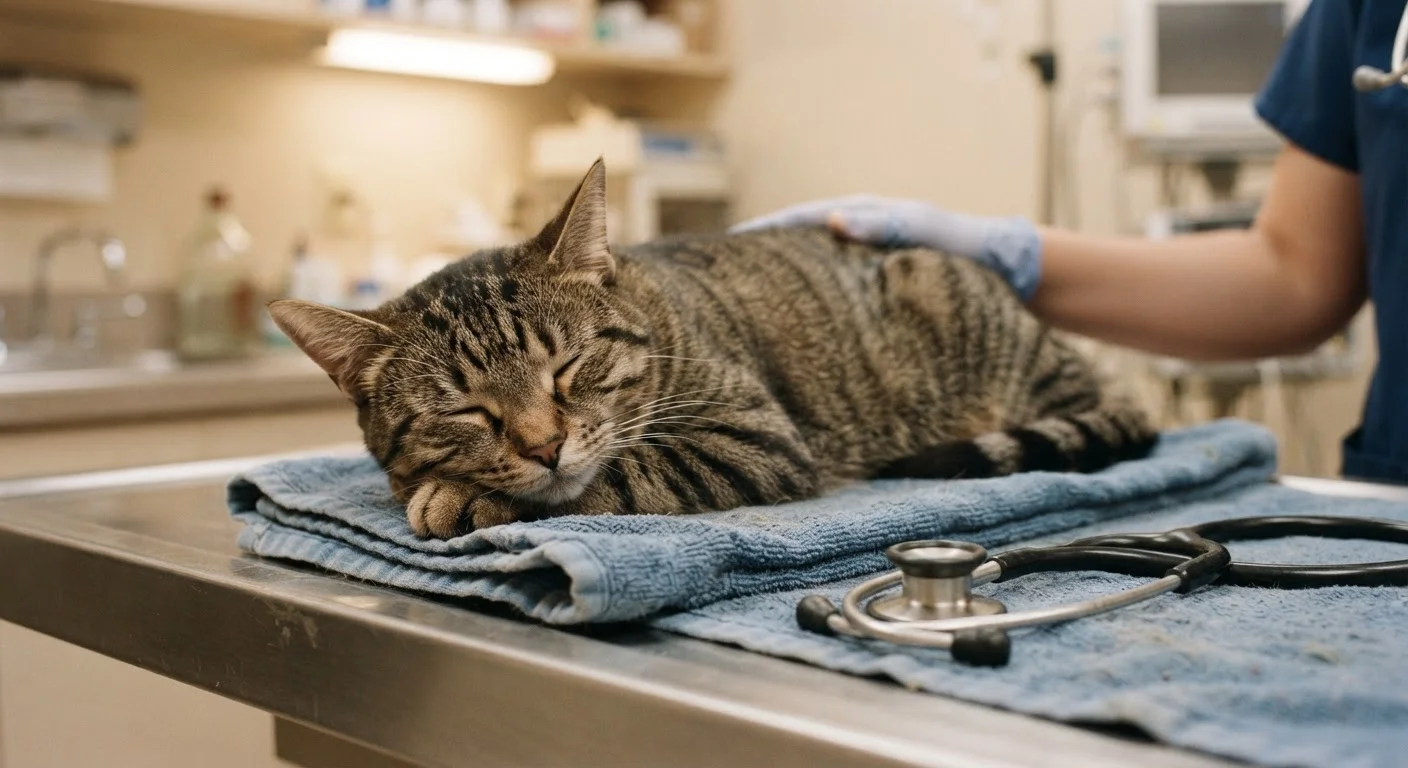
Why Veterinary Vocabulary Matters
Walking out of a vet appointment with unanswered questions is frustrating - and surprisingly common. Veterinary consultations often involve terminology that is precise but unfamiliar, and many owners hesitate to ask for clarification in the moment. This reference guide bridges that gap.
Whether you're decoding a diagnosis, reviewing vaccine records, or researching a condition your cat was recently diagnosed with, understanding the language makes you a more confident advocate for your pet. For a broader foundation on feline care, see our complete guide for first-time cat owners.
This Guide Is Educational, Not Medical Advice
The definitions and explanations in this article are intended to help cat owners communicate more effectively with their veterinarians - not to replace professional evaluation. If your cat is showing signs of illness, contact a licensed veterinarian promptly. For emergencies, seek care immediately.
The glossary below covers the terms cat owners encounter most often - across preventive care, diagnostics, common diseases, and nutrition.
Core Terms Defined
Use the glossary below as a quick-reference tool before or after veterinary appointments. Terms are grouped conceptually rather than alphabetically to help build connected understanding.
Zoonosis
A disease that can be transmitted between animals and humans. Examples relevant to cat owners include ringworm (a fungal infection) and toxoplasmosis. Most healthy adults face minimal risk with standard hygiene practices, but immunocompromised individuals should consult a healthcare provider.
Upper Respiratory Infection (URI)
A contagious infection of the nose, throat, and sinuses - sometimes called cat flu. Common causes include feline herpesvirus and feline calicivirus. Symptoms include sneezing, nasal discharge, and eye irritation; vaccines reduce severity.
Titer Test
A blood test that measures the level of antibodies a cat has against a specific disease, used to assess immune protection without automatically re-vaccinating. Results help veterinarians make individualized vaccination decisions.
FLUTD
Feline Lower Urinary Tract Disease - an umbrella term for conditions affecting the bladder and urethra. Signs include straining to urinate, blood in urine, or frequent trips to the litter box. A blocked urethra is a medical emergency.
Hyperthyroidism
A common hormonal condition in older cats caused by overproduction of thyroid hormone. It can cause weight loss despite a strong appetite, increased thirst, and hyperactivity. Several effective treatment options exist and should be discussed with a veterinarian.
Microchipping
The implantation of a small radio-frequency chip under the skin, typically between the shoulder blades. It carries a unique ID number linkable to owner contact information in a registry - a permanent form of identification distinct from a collar tag.
Spay / Neuter
Surgical sterilization - spay refers to the removal of the ovaries (and usually uterus) in females; neuter refers to the removal of the testes in males. Both procedures prevent reproduction and are associated with various health and behavioral benefits.
Prognosis
A veterinarian's assessment of the likely course or outcome of a medical condition. Prognosis is typically described as excellent, good, guarded, or poor, and is always an estimate rather than a guarantee.
Anemia
A reduction in the number of red blood cells or hemoglobin, which reduces the blood's ability to carry oxygen. In cats, it may result from parasites, chronic disease, or toxin exposure, and often presents as lethargy or pale gums.
Obligate Carnivore
An animal that must eat meat to survive because its body cannot synthesize certain essential nutrients - like taurine and arachidonic acid - from plant sources. Cats are obligate carnivores, which directly shapes their nutritional requirements.
Subcutaneous (SQ) Fluids
Fluids administered under the skin - not into a vein - to treat or prevent dehydration. Veterinarians sometimes teach owners to give SQ fluids at home for cats managing chronic conditions like kidney disease.
Idiopathic
Describes a condition with no identifiable underlying cause. Idiopathic cystitis, for example, is bladder inflammation in cats where no infection or structural problem can be found - stress is considered a significant contributing factor.
For context on how many of these terms apply in practice - particularly around vaccines and parasite control - our overview of cat preventive care walks through standard care schedules in plain language. And if you've encountered surprising claims about feline health online, common cat health myths debunked offers evidence-based corrections to widespread misconceptions.
At-a-Glance: Key Feline Health Facts
The following quick facts provide useful context for the terms defined above - grounding the vocabulary in numbers and standards that reflect current veterinary practice.
| Average lifespan (indoor cat) | 12-18 years (General veterinary consensus) |
| Cats classified as | Obligate carnivores (Established feline nutrition science) |
| Most common senior cat condition | Chronic kidney disease (CKD) (Frequently cited in veterinary internal medicine literature) |
| Core vaccines (typical US protocol) | FVRCP and rabies (American Association of Feline Practitioners guidelines) |
| FLUTD blockage urgency | Emergency - seek care immediately (Veterinary emergency care standards) |
Understanding what's typical across a cat's lifespan helps owners recognize when something may be outside the norm and worth discussing with their veterinarian. Cats communicate discomfort subtly - learning to read behavioral signals alongside health terminology is equally valuable. Our guide on feline body language can help you connect the physical signs to what your cat may be experiencing.
This article is for informational and educational purposes only and does not constitute veterinary or medical advice. Always consult a licensed veterinarian for concerns about your cat's health.
The content on this site is provided for informational purposes only and should not be considered a substitute for professional advice. While we strive to provide accurate and up-to-date information, we make no guarantees regarding its completeness or accuracy. Always consult a qualified professional for advice specific to your circumstances before making any decisions.