

Why the Interview Stage Matters More Than Most Homeowners Realize
Hiring a general contractor is one of the highest-stakes decisions you'll make in a renovation. The right questions - asked before you sign anything - reveal far more than a polished sales pitch ever will. They surface how a contractor actually operates: how they communicate, how they manage risk, and how they protect you when things don't go according to plan.
This isn't about finding reasons to distrust someone. It's about gathering enough information to make a genuinely informed choice. The pre-project planning process should always include a structured contractor interview - and the list below gives you exactly what to cover.
Are you licensed for this type of work in my state?
Licensing requirements vary significantly by state and sometimes by municipality, but asking for a license number and verifying it through your state's contractor licensing board is non-negotiable. A valid license confirms the contractor has met minimum competency standards and is legally permitted to perform the work. It also creates a paper trail for complaints if problems arise. Don't accept a verbal confirmation - look up the number yourself through your state's official licensing portal.
Verify the license number yourself through your state's official licensing board - verbal confirmation is not enough.
What insurance do you carry, and can I see the certificates?
A contractor working on your property should carry at minimum general liability insurance and workers' compensation coverage. General liability protects your property if something is damaged. Workers' comp protects you from being held responsible if a worker is injured on your job site. Ask for certificates of insurance - actual documents, not just a claim - and confirm the coverage is current. Your own homeowner's insurance may not cover incidents caused by an uninsured contractor.
Ask for actual insurance certificates, not just a claim of coverage, and verify they are current.
Will you handle the permits, and who is responsible for pulling them?
Many renovation projects require building permits, and responsibility for obtaining them should be spelled out clearly in your contract. A contractor who suggests skipping permits to save time or money is a significant red flag - unpermitted work can create problems when you sell your home, complicate insurance claims, and expose you to code-enforcement liability. If you want a clearer picture of which projects trigger permit requirements and why, understanding what permits actually cover is a useful foundation.
A contractor who suggests skipping permits to save time is signaling a broader attitude toward compliance.
Will you use subcontractors, and how do you manage them?
General contractors routinely hire subcontractors for specialized trades - electrical, plumbing, tile work. This is normal. What matters is whether the GC vets those subs for their own licensing and insurance, and whether the GC remains your single point of contact and accountability throughout. Ask specifically: who supervises the subs on-site, how disputes with subs are handled, and whether subcontractors will be paid promptly (slow sub payments can halt your project mid-stream).
Your general contractor should remain your single accountability point even when subcontractors do the hands-on work.
What does your payment schedule look like?
A structured payment schedule tied to project milestones - not a large upfront sum - is standard practice for legitimate contractors. Be cautious of anyone requesting more than 10-30% upfront, as the norms vary by project size and state law. Payments should correspond to verifiable stages of completion: demolition done, framing complete, rough-in inspections passed. This protects you from paying for work that hasn't happened yet and gives the contractor clear incentives to progress.
Payment milestones tied to completed work stages protect you far better than a front-loaded payment structure.
What warranty do you offer on labor, and how are material warranties handled?
Workmanship warranties vary widely - some contractors offer one year, others longer, and some offer nothing explicitly. Get any warranty commitment in writing and understand exactly what it covers. Material warranties are typically handled separately through manufacturers, so ask who is responsible for registering those warranties and providing you with documentation. Knowing your recourse before a problem occurs is far easier than trying to establish it after the fact.
Get workmanship warranty terms in writing before work begins - verbal commitments are difficult to enforce.
How do you handle changes to the project scope?
Scope changes - also called change orders - are common in renovation work, especially when walls are opened and surprises emerge. Ask how the contractor documents and prices these changes. A professional will use a written change order process that requires your approval before additional work proceeds. Contractors who handle changes verbally or add costs without documentation make it very difficult to dispute billing later. Establish this process clearly before day one.
Written change orders signed before additional work begins are the only reliable protection against surprise costs.
Turning Answers Into a Decision
No single answer disqualifies a contractor, but patterns matter. A professional who hesitates on licensing, can't explain their payment terms, or dismisses permit questions is signaling how they'll handle friction during a live project - which is rarely better than how they handle it in conversation.
Bring a Written List to Every Interview
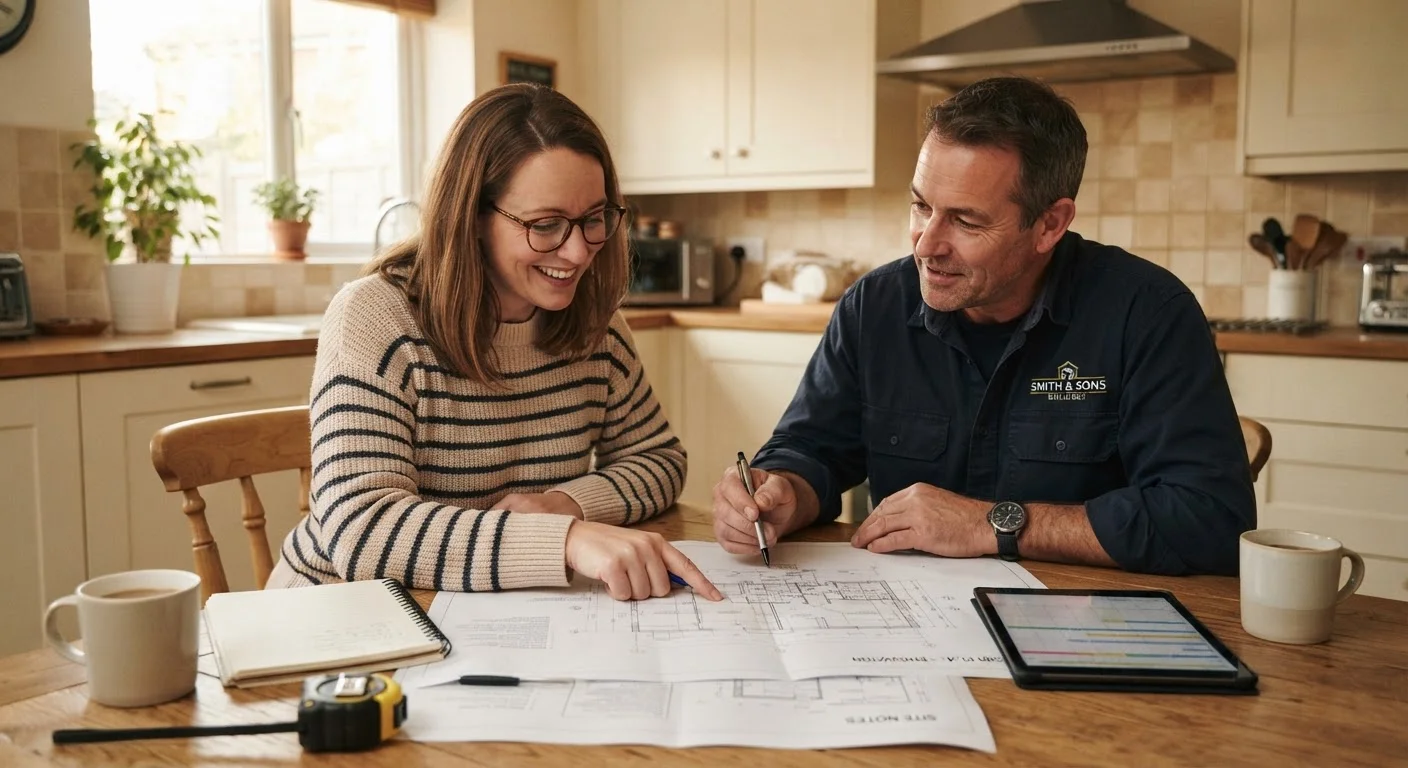
Interviewing multiple contractors with the same set of written questions makes comparison far more reliable. You're evaluating not just the answers but how contractors respond to direct, organized questions - hesitation, vagueness, or irritation at being asked are themselves informative. Take notes during each conversation and review them side by side before making your decision.
Once you've compared responses across multiple candidates, understanding how their pricing was constructed helps you evaluate proposals on equal footing. The logic behind contractor quotes isn't always obvious, but knowing what drives costs makes low bids and high bids alike easier to read. From there, keeping the project on schedule becomes the next challenge - one that starts with the communication habits you establish right now.
The content on this site is provided for informational purposes only and should not be considered a substitute for professional advice. While we strive to provide accurate and up-to-date information, we make no guarantees regarding its completeness or accuracy. Always consult a qualified professional for advice specific to your circumstances before making any decisions.