

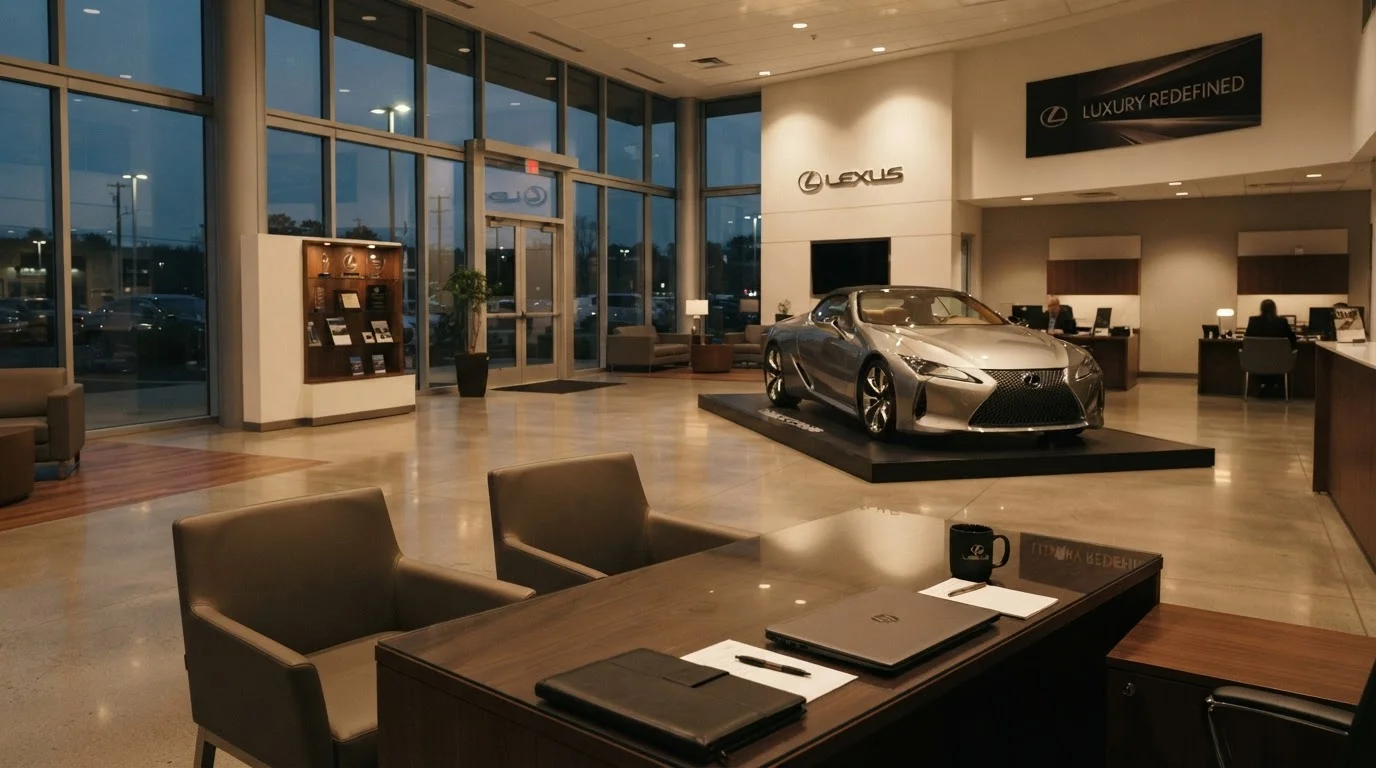
Why Car Price Negotiation Feels Intimidating
Most buyers feel outmatched at a dealership because salespeople negotiate dozens of deals a week while buyers do it once every several years. Information asymmetry - not some innate skill gap - is what creates that uneasy feeling. Closing it is largely a matter of preparation.
Dealerships operate on layered pricing structures. The Manufacturer's Suggested Retail Price (MSRP) is the label on the window, but dealers also work with an invoice price (roughly what they paid the manufacturer) and may receive additional holdback or incentive payments from the manufacturer. These layers mean there is almost always room between MSRP and a price both sides find workable - but the extent of that room varies by vehicle demand, time of month, and inventory levels.
For a full picture of how this fits into the broader buying journey, see our complete car-buying walkthrough. And if you're weighing whether to buy from a dealership at all, comparing dealerships to private sellers is worth reading first.
Time Your Visit Strategically
Dealerships often have monthly sales targets, which means the last few days of a calendar month can present more flexibility in pricing conversations. Weekday visits tend to be less rushed than weekends, giving you more of the salesperson's attention and a calmer environment to think clearly.
What You Need Before the Conversation Starts
Arriving prepared shifts the dynamic significantly. You don't need to be aggressive - you need to be informed.
What you will need
Vehicle pricing reference tools
Establish the fair market value range for the specific make, model, trim, and mileage you're targeting.
Pre-approved loan offer
Gives you an independent financing baseline so you can evaluate the dealer's financing offer objectively.
Trade-in valuation
Knowing your trade-in's market value independently prevents it from being used as a negotiating lever against you.
Written competing quotes
Out-of-the-door price quotes from other dealerships for the same or comparable vehicle create a factual reference point.
How to Negotiate Step by Step
The steps below apply primarily to dealership negotiations on new or certified pre-owned vehicles. Private-seller dynamics differ somewhat - that contrast is covered in detail in our private seller vs. dealership guide.
Anchor the conversation to the out-of-the-door price
Always negotiate on the total out-of-the-door (OTD) price - the final figure including taxes, title, registration, and dealer fees - not the monthly payment. Monthly payment framing allows sellers to adjust loan terms in ways that obscure the true cost of the vehicle.
Present your market research early
Share the price range you found through your research and state that this is the basis for your offer. Reference comparable listings or dealer quotes if you have them. This positions your number as data-driven, not arbitrary, and moves the conversation onto objective ground.
Separate the trade-in from the vehicle purchase
If you have a trade-in, negotiate the new vehicle's price to a number you're satisfied with before introducing the trade-in. Bundling them creates opportunities to give with one hand and take with the other - for example, raising the trade-in offer while quietly raising the vehicle price.
Counter methodically and stay patient
Counter-offers should move in deliberate, smaller increments as you approach your ceiling. Each counter signals that your flexibility is limited. Silence after making an offer is normal - you are not obligated to fill it by conceding ground. Let the process breathe.
Scrutinize dealer-added fees and add-ons
Dealer documentation fees, advertising fees, and market adjustment markups vary widely and some are negotiable or removable. Ask for a line-by-line breakdown of all fees. If a fee has no clear explanation, request one. Mandatory government fees (tax, title, registration) are fixed - dealer-originated fees are not always so.
Be prepared to walk away - and mean it
Walking away is not a bluff tactic; it is a genuine option when a deal does not meet your prepared criteria. Politely thank the salesperson, leave your contact information, and state that you'll continue looking. Dealers frequently follow up within 24-48 hours with a revised offer. Even if they don't, you retain control of your decision.
Never Reveal Your Maximum Budget
Your absolute ceiling is information that works against you in a negotiation. If asked directly what your budget is, it's reasonable to decline or give a range that sits below your true maximum. Sharing your ceiling removes the room needed to reach a mutually acceptable number below it.
After the Price Is Agreed: The Finance Office
Many buyers negotiate the vehicle price successfully, then lose ground in the finance and insurance (F&I) office. This is where add-ons like extended warranties, paint protection, gap insurance, and credit life insurance are typically presented - often bundled into monthly payment calculations that obscure their individual costs.
Evaluate each product on its own merits and price. Ask for the cost of every item as a standalone figure, not rolled into a monthly payment. Gap insurance, for instance, may be available through your own auto insurer at a lower rate. To understand how financing terms interact with the overall cost of the deal, our guide to auto loan basics explains APR, loan term, and down payment clearly.
Before you sign, review our pre-signing question checklist to make sure nothing important was overlooked. And remember: the sticker price is only part of the long-term picture - total cost of ownership covers the ongoing expenses that follow you home with the vehicle.
The content on this site is provided for informational purposes only and should not be considered a substitute for professional advice. While we strive to provide accurate and up-to-date information, we make no guarantees regarding its completeness or accuracy. Always consult a qualified professional for advice specific to your circumstances before making any decisions.